Tübinger Hammerklavier Tage: An International Gathering of Fortepianists and Scholars
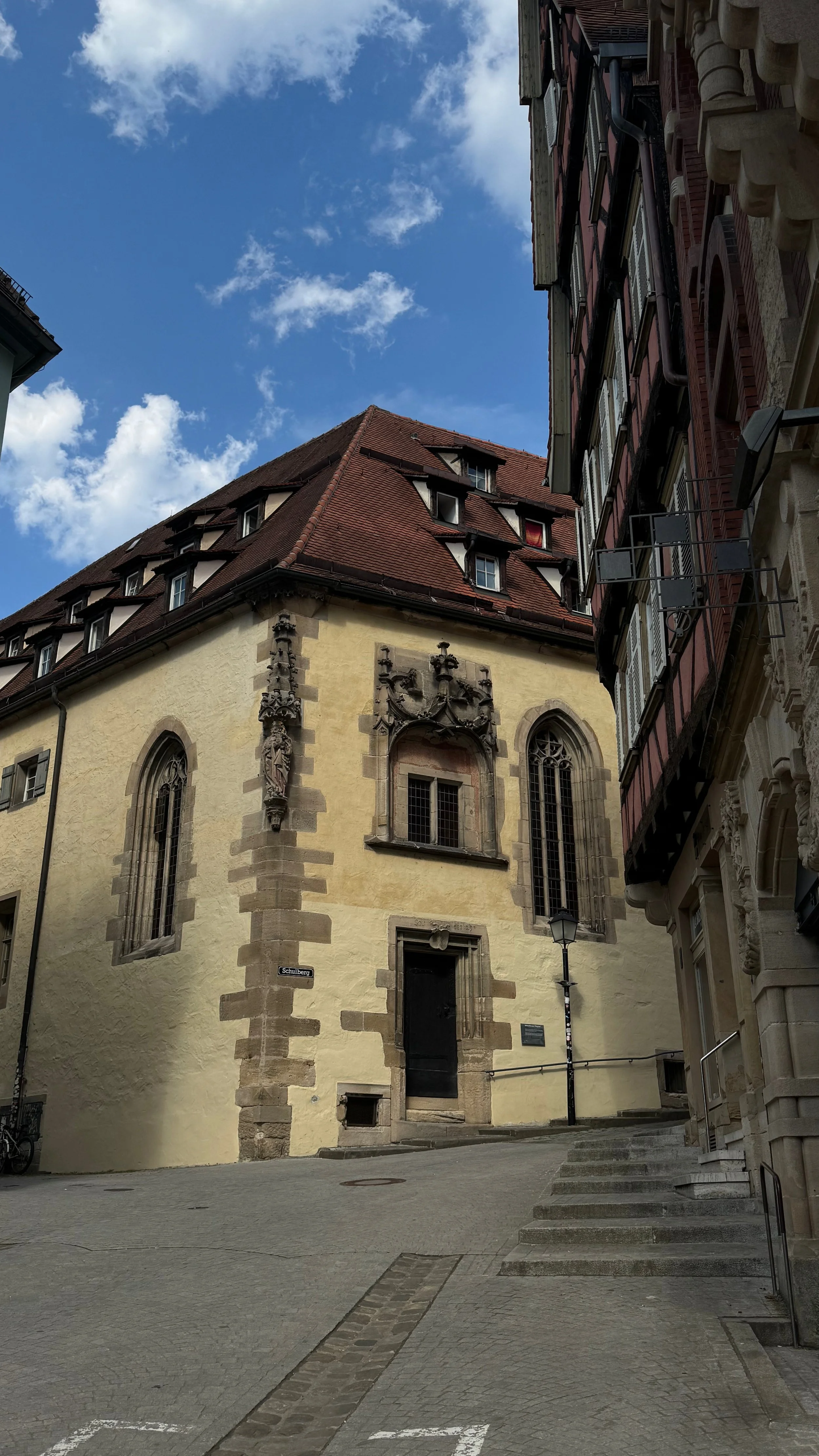
Last weekend (19–21 June 2026), the Musicology Institute of the University of Tübingen hosted the inaugural Tübinger Hammerklavier Tage, a two-day celebration of historical keyboard instruments that brought together performers, scholars, instrument specialists, and students from four continents. The event consisted of two complementary parts: an exhibition, The Pianoforte Age, and an international symposium devoted to the study and performance of the fortepiano.
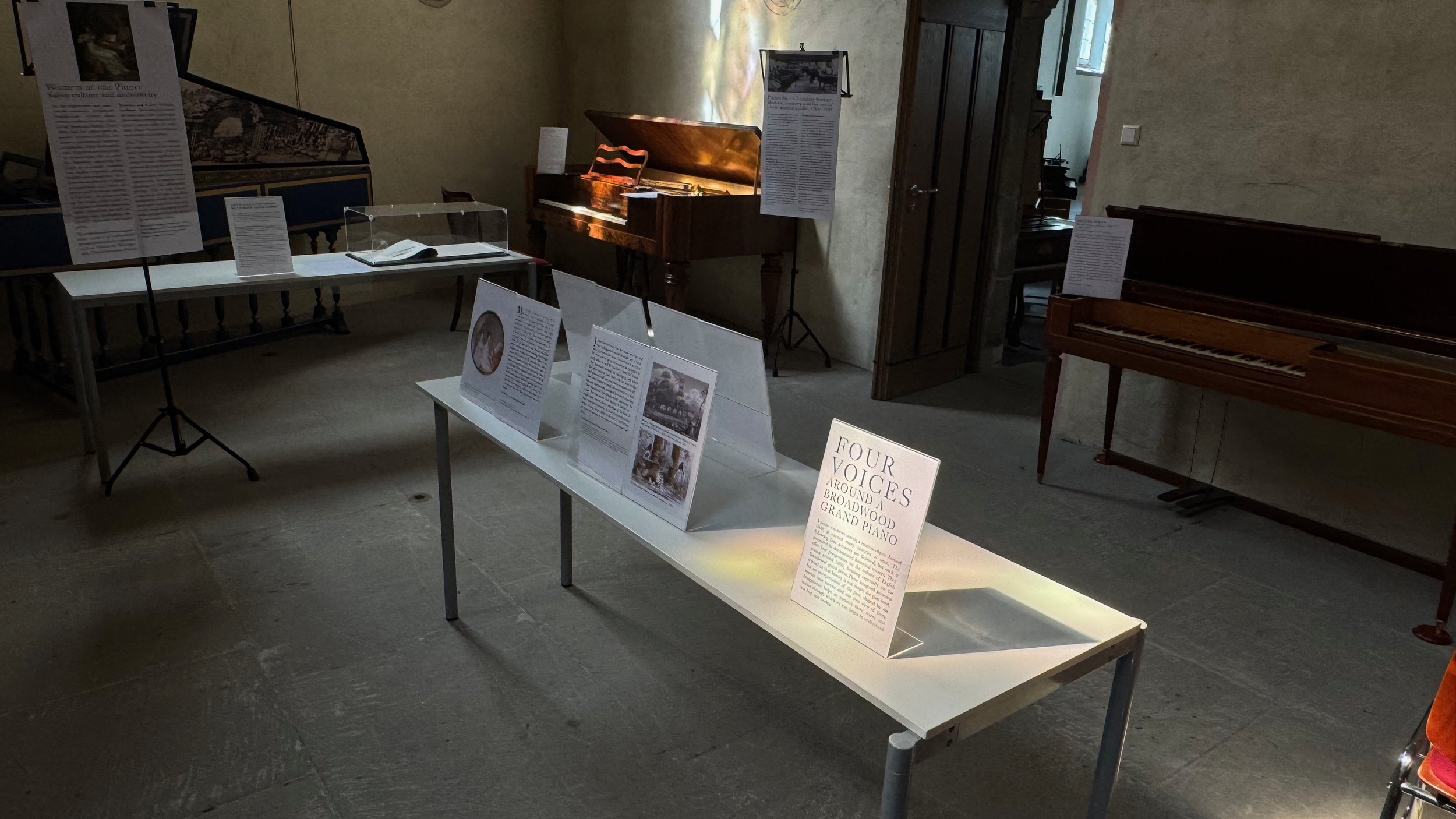
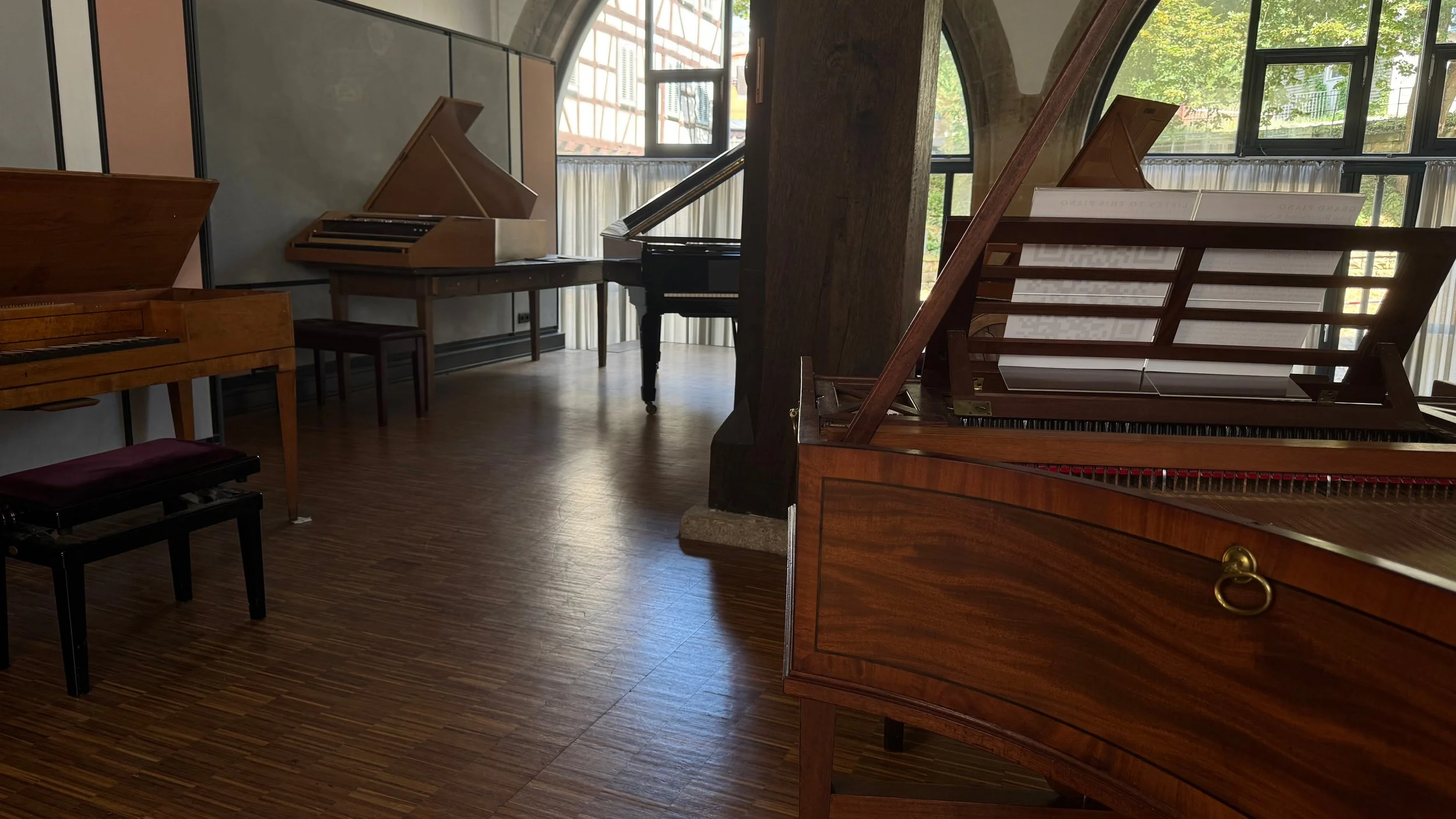
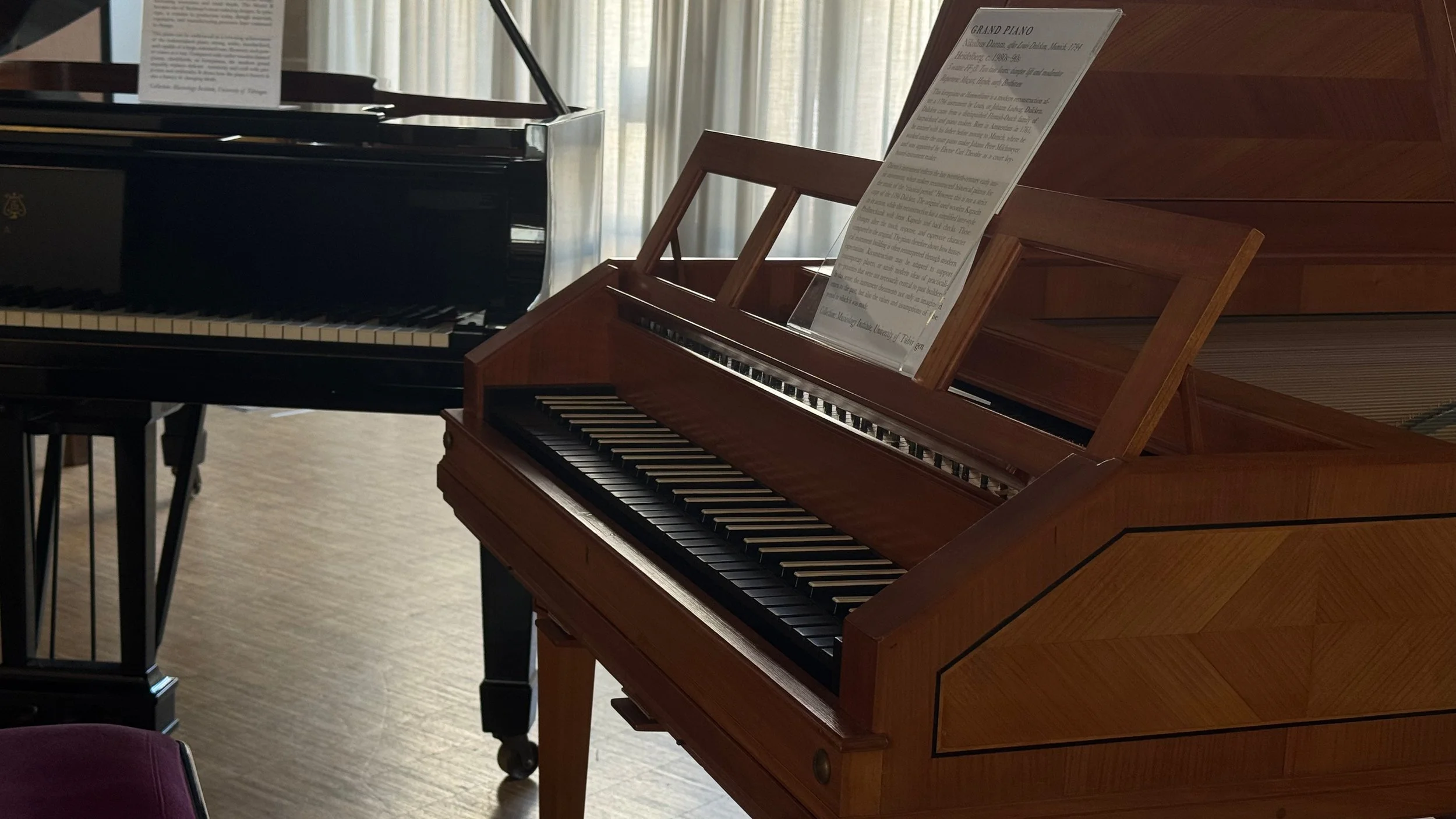
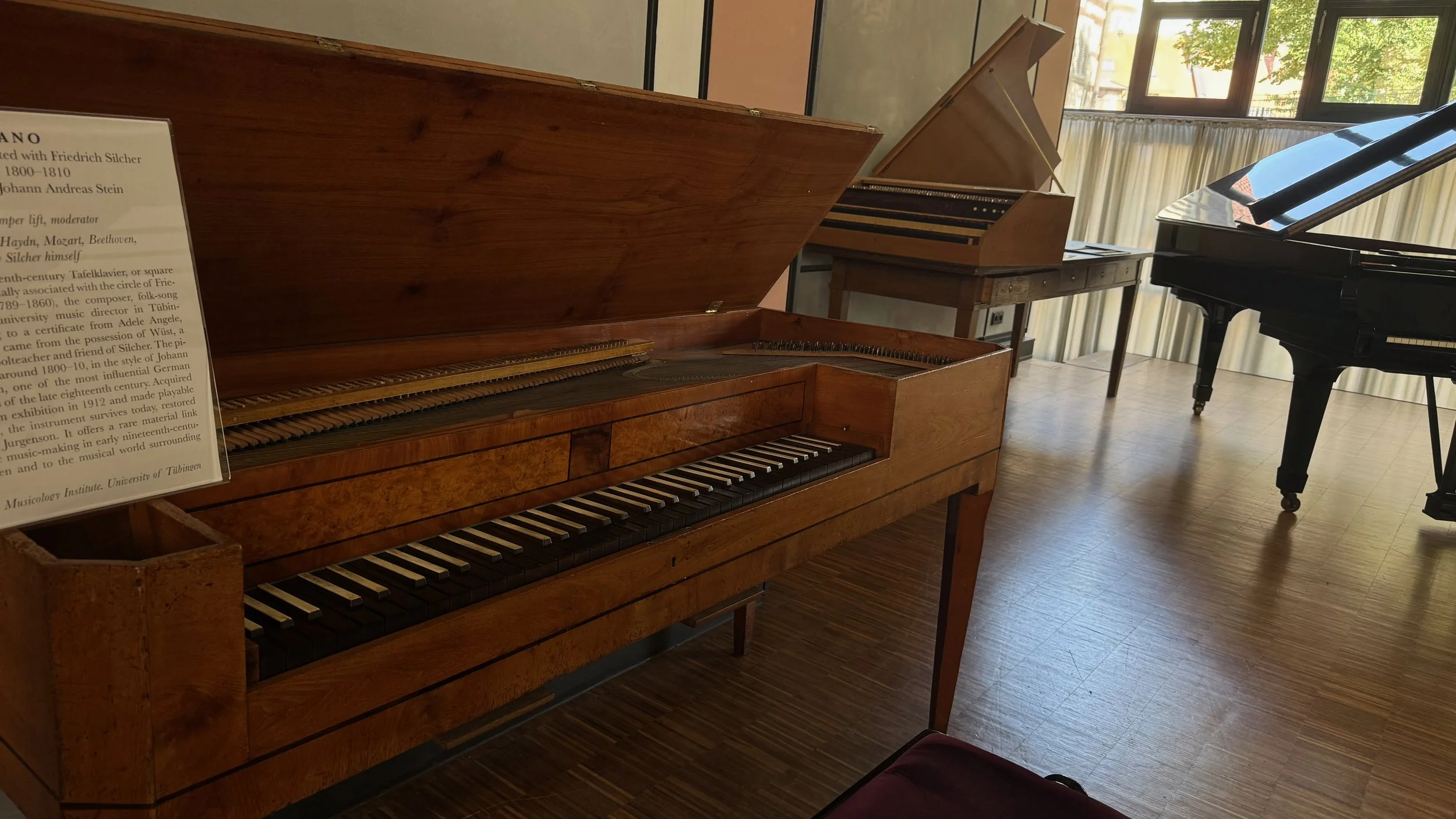
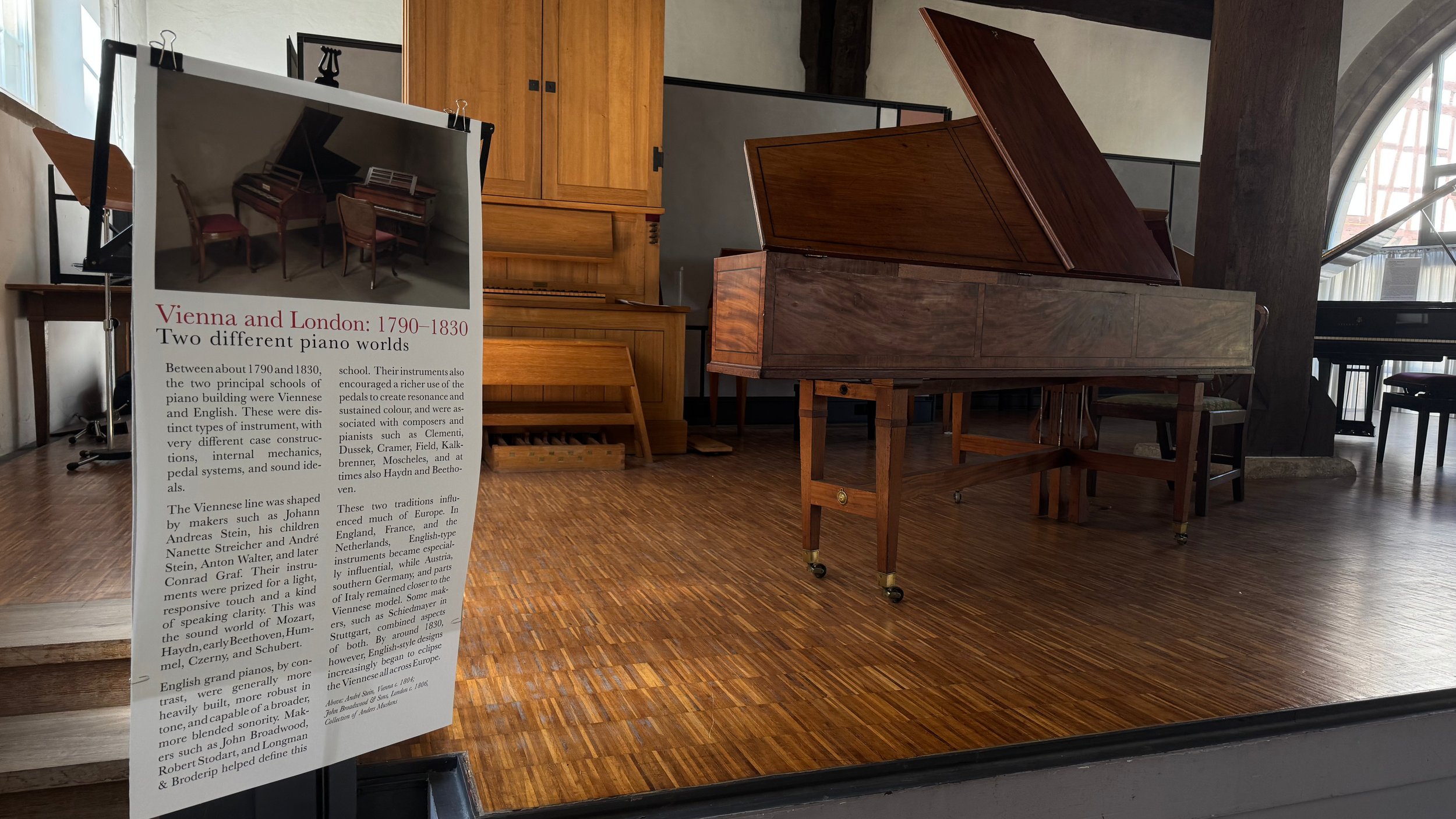
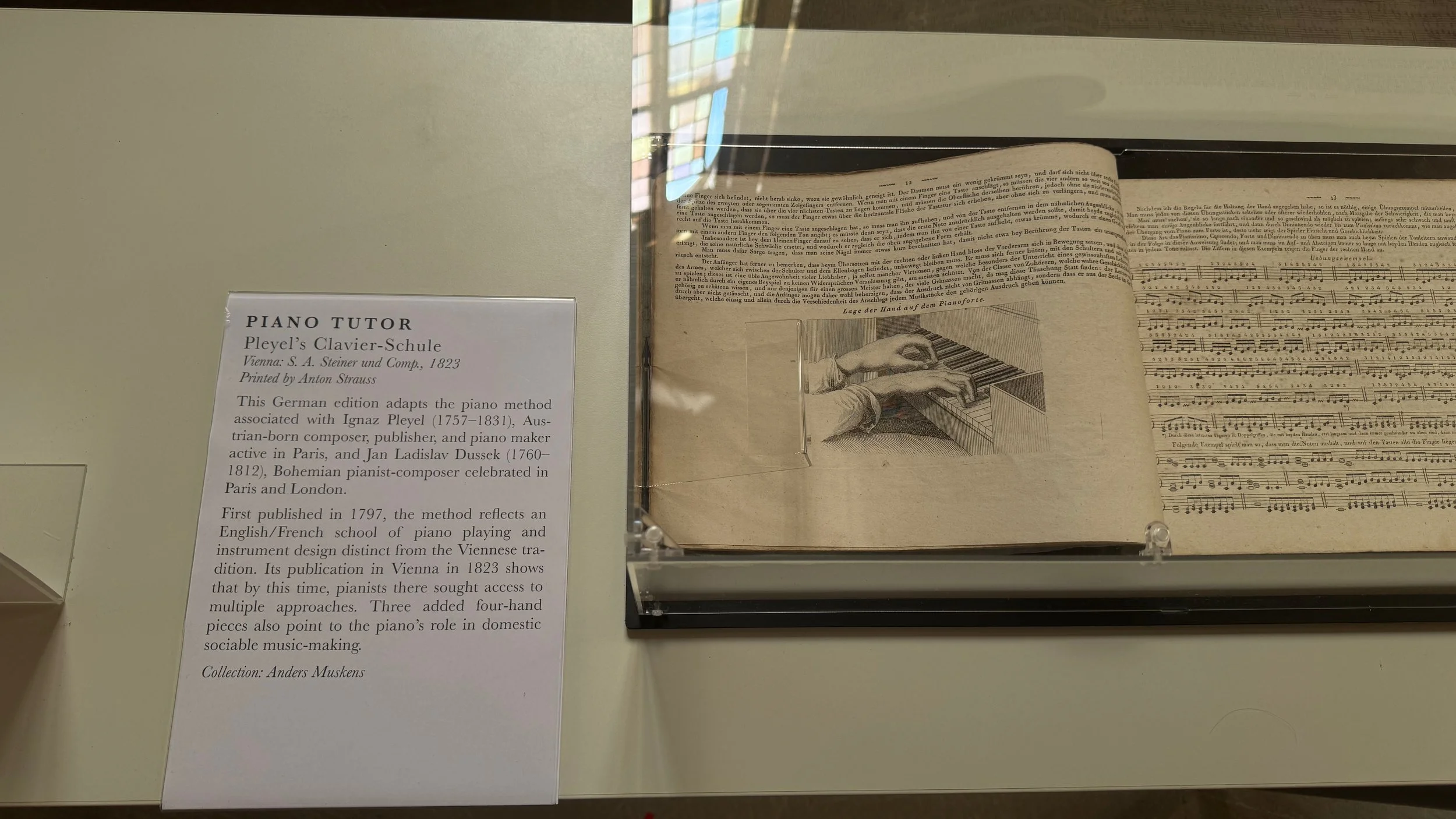
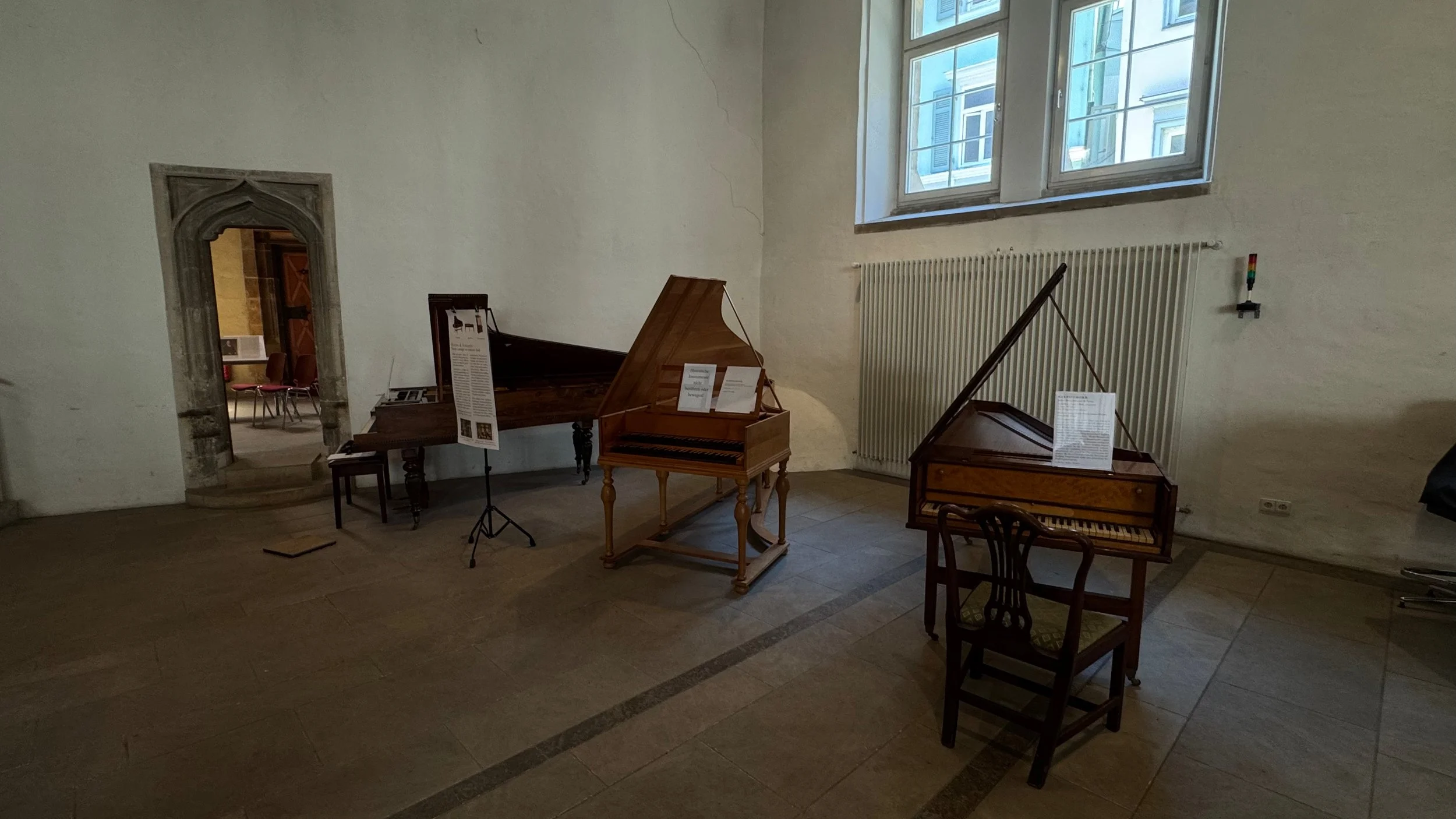
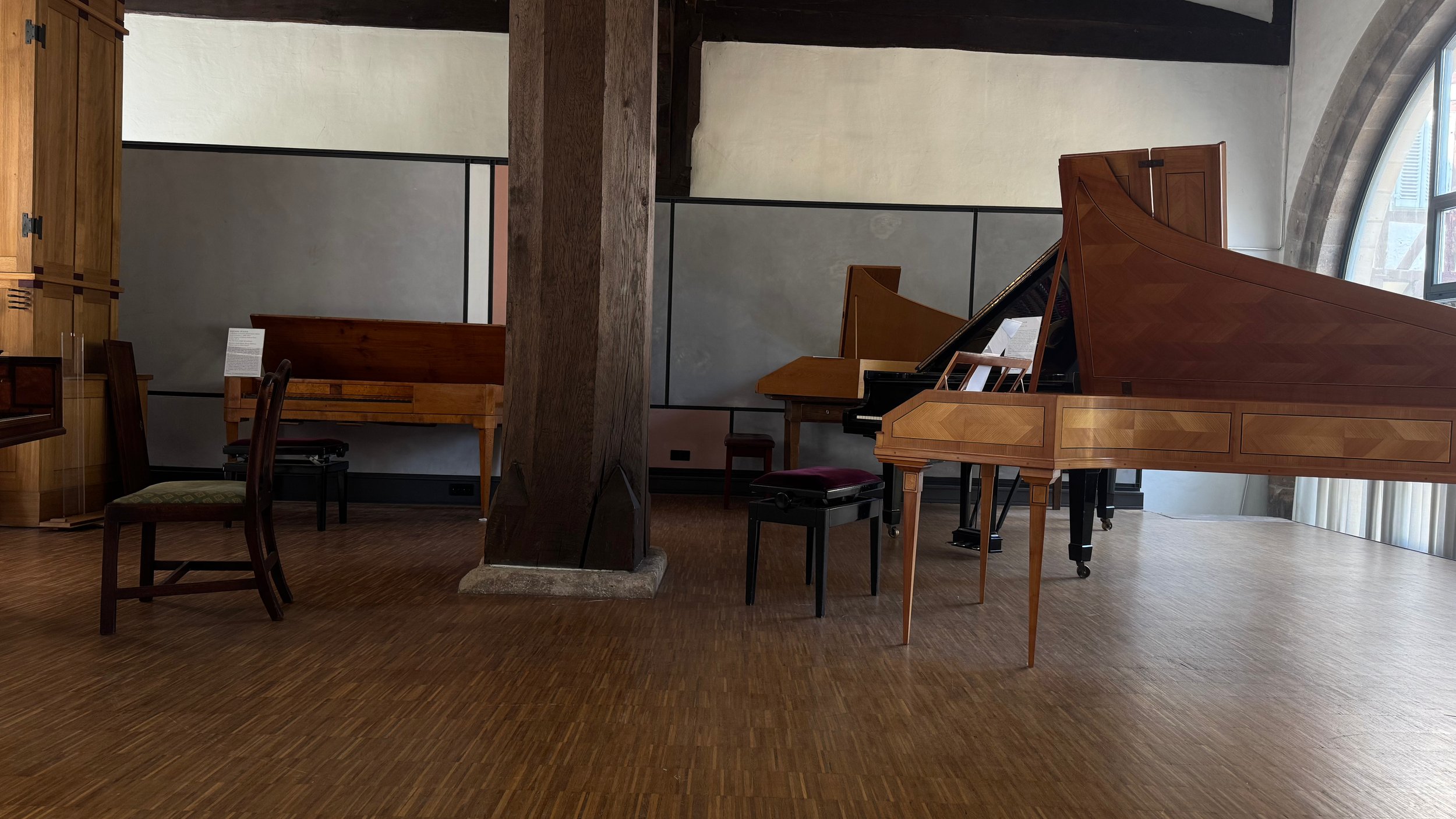
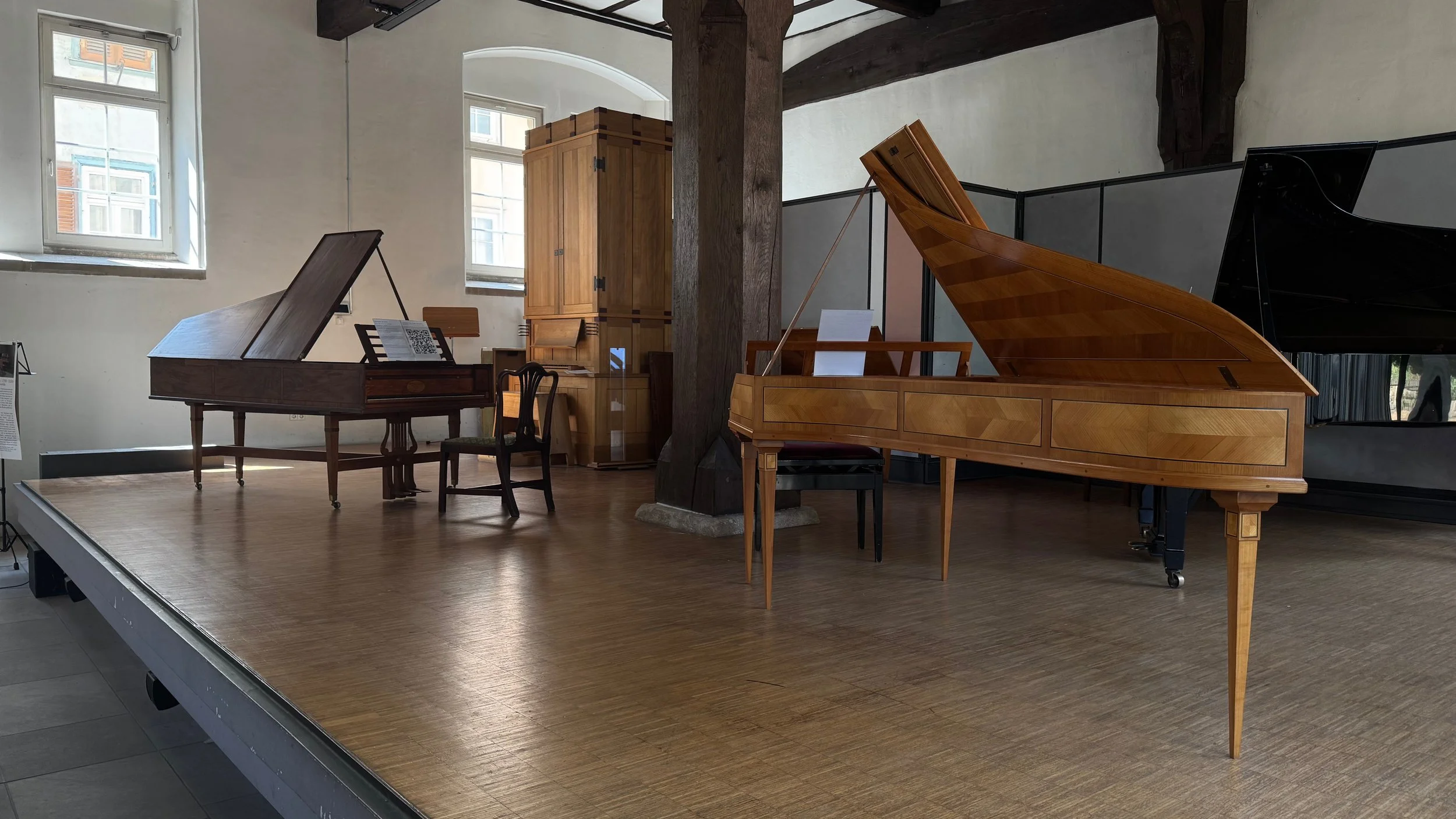
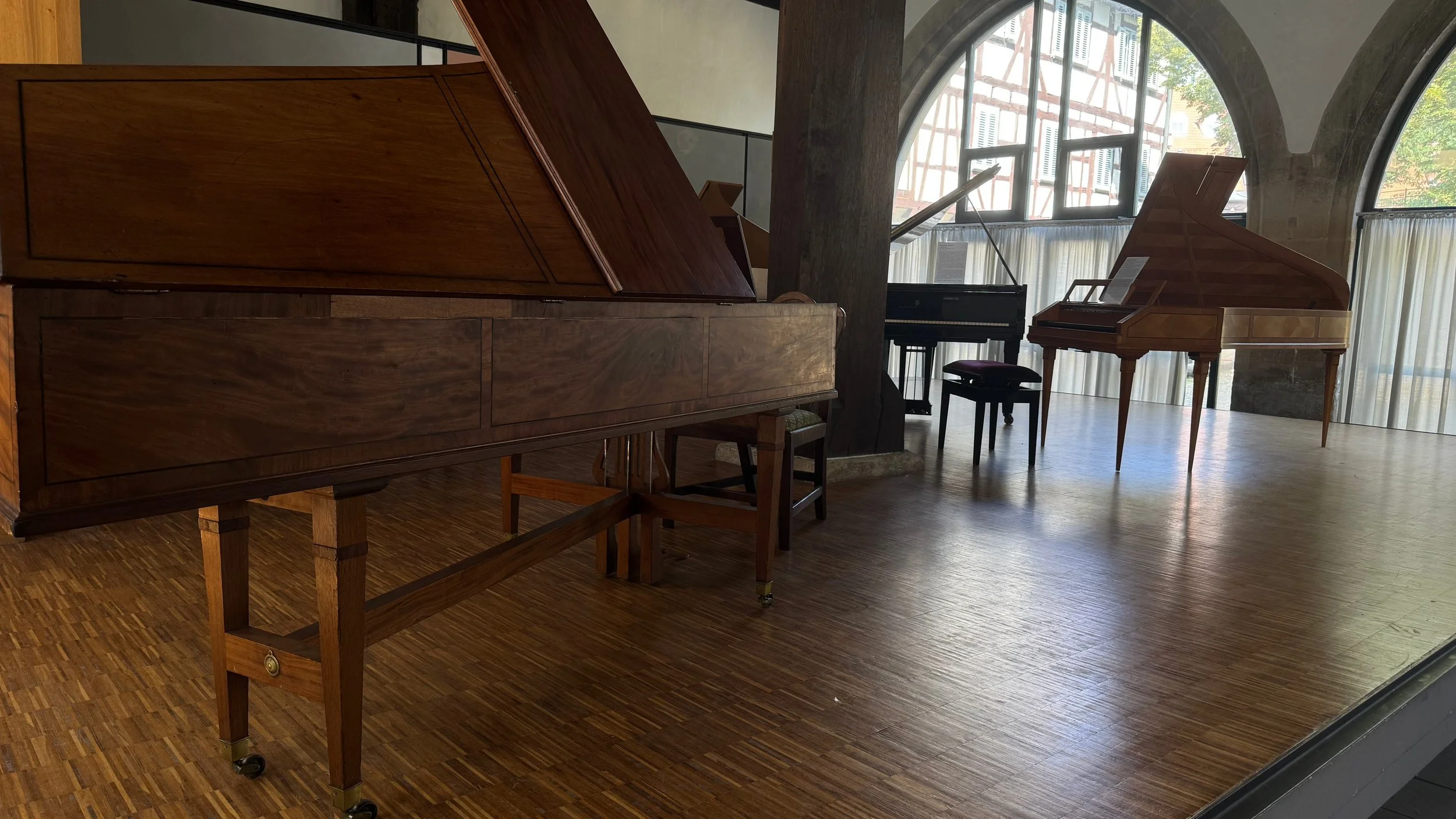
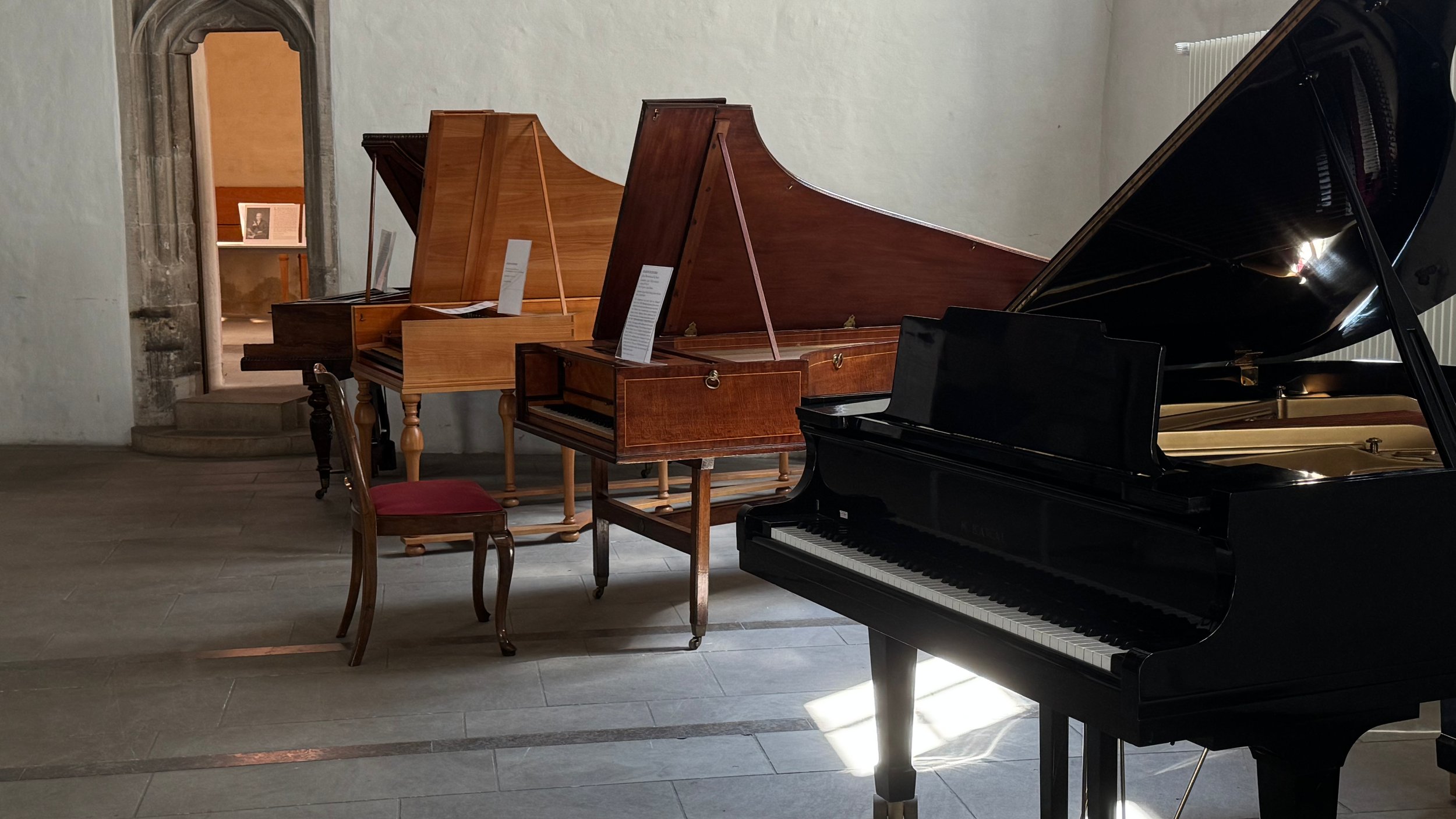
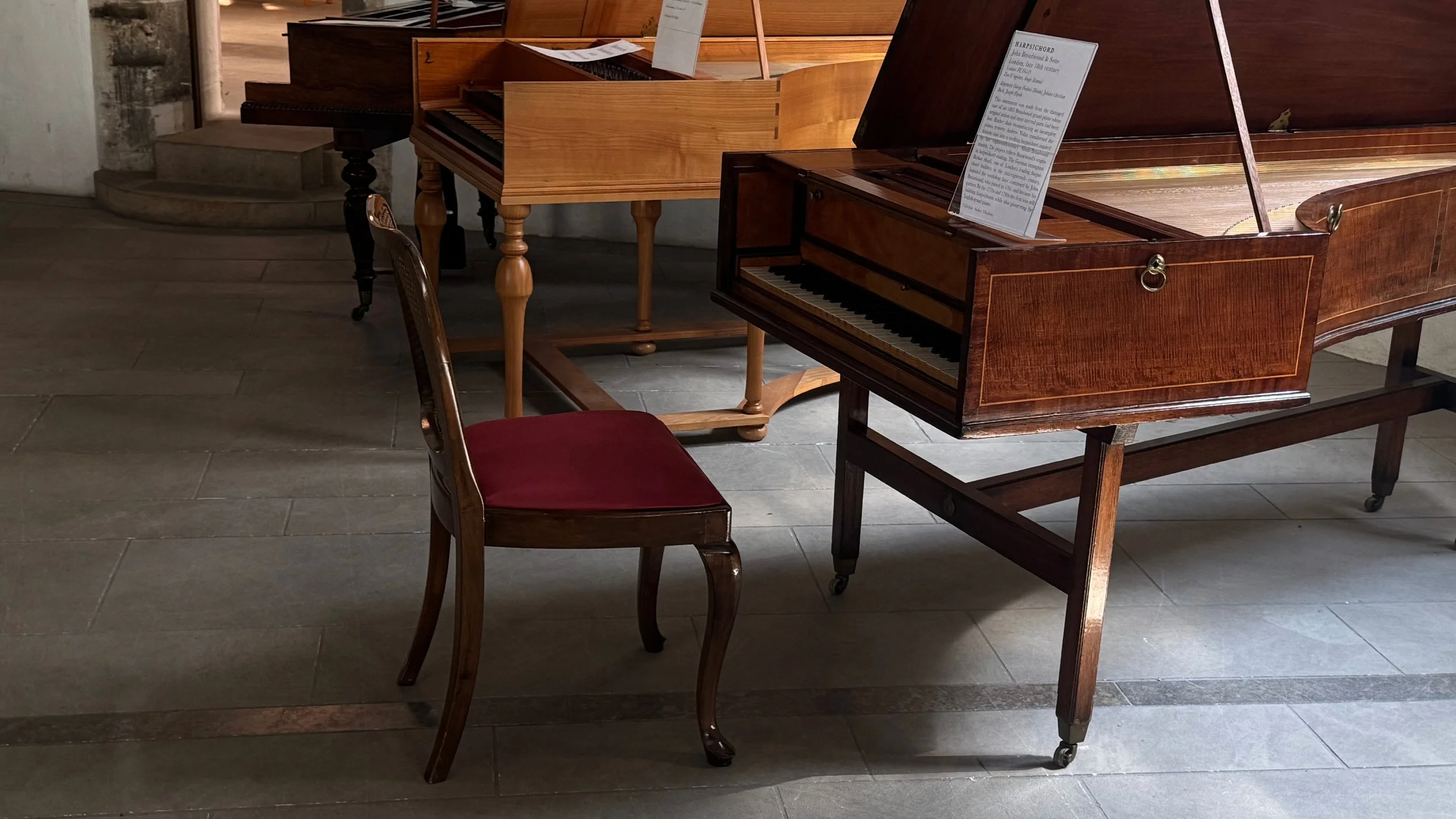
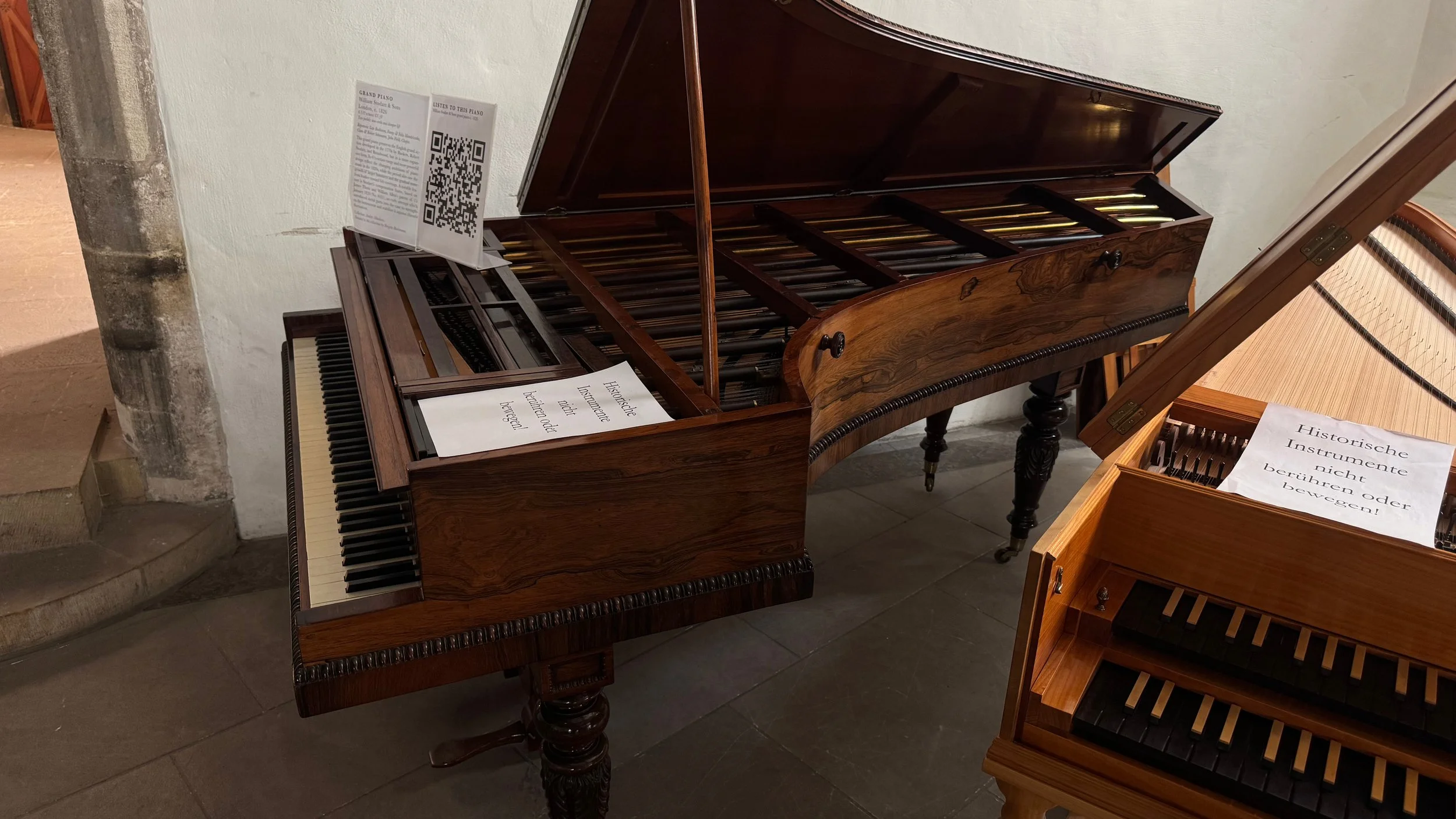
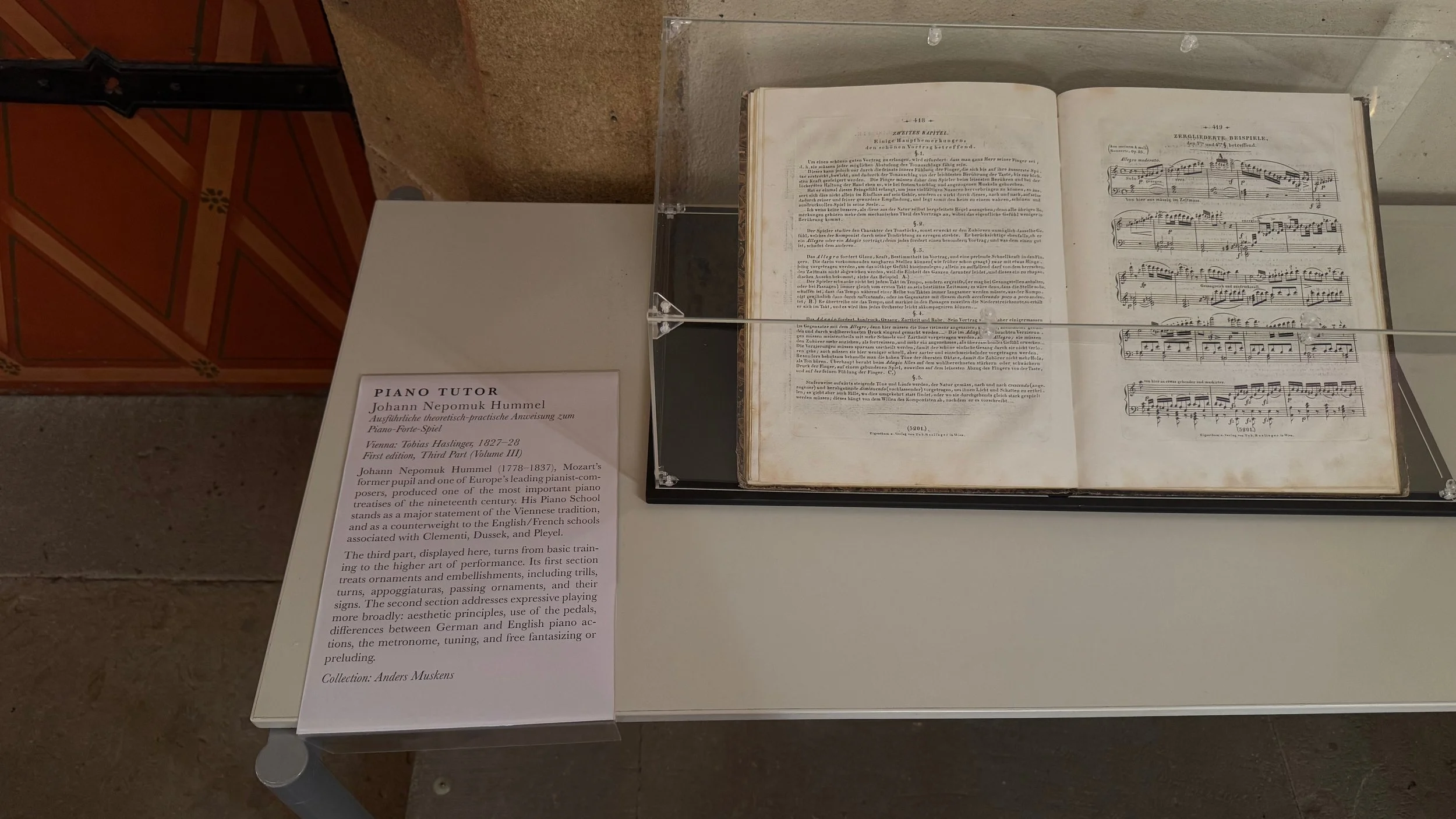
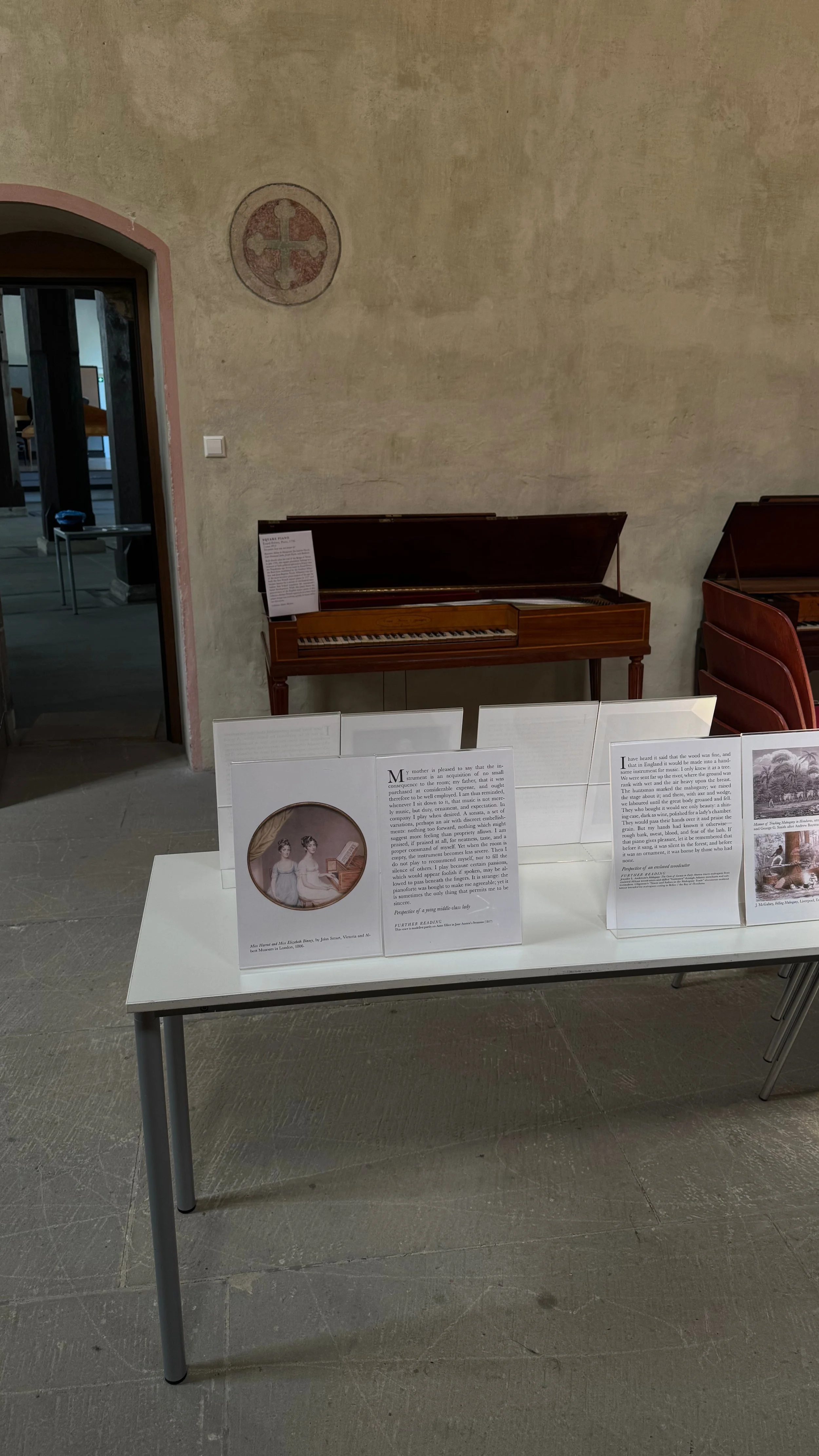
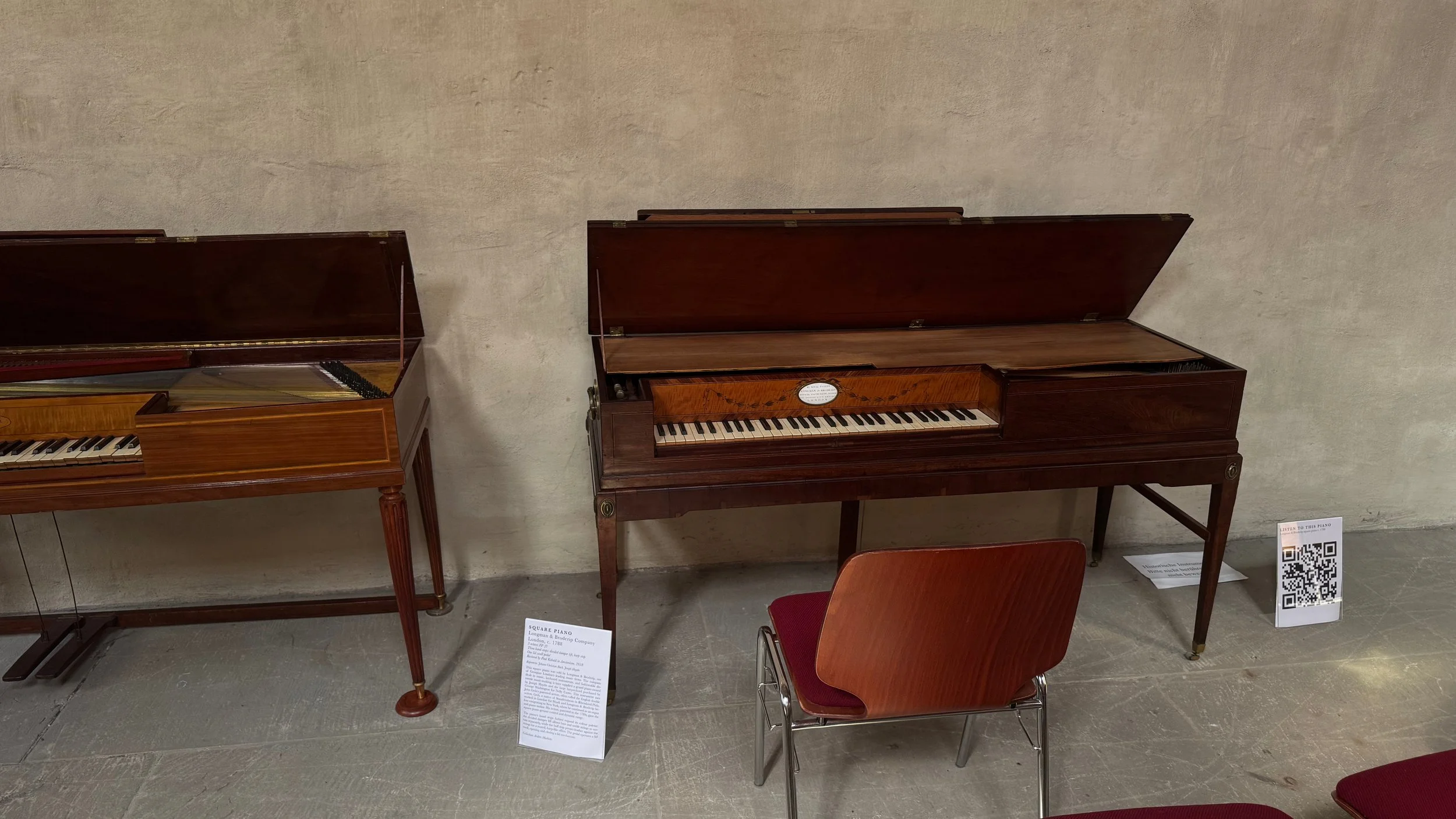
The Exhibition: The Pianoforte Age
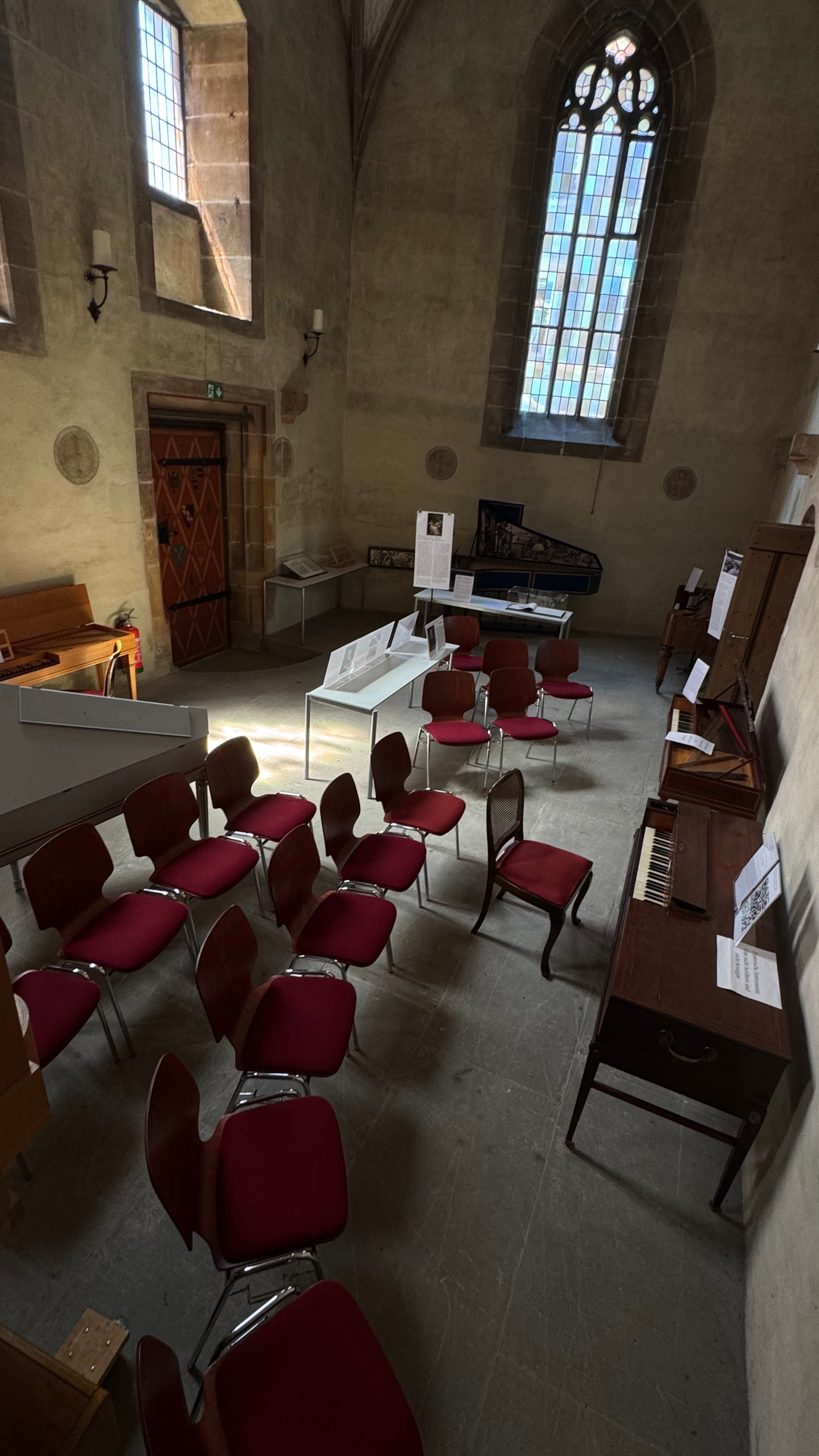
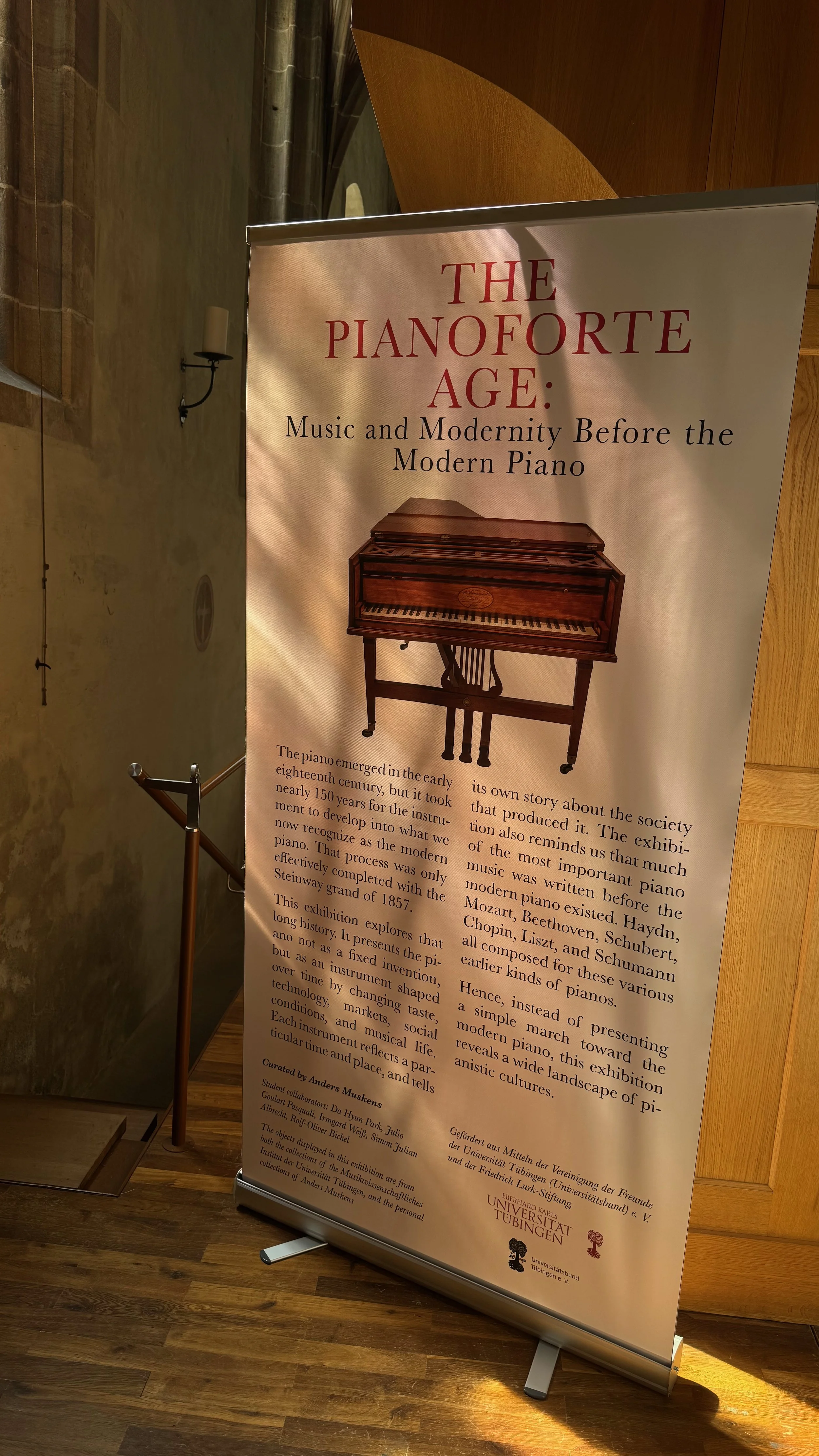
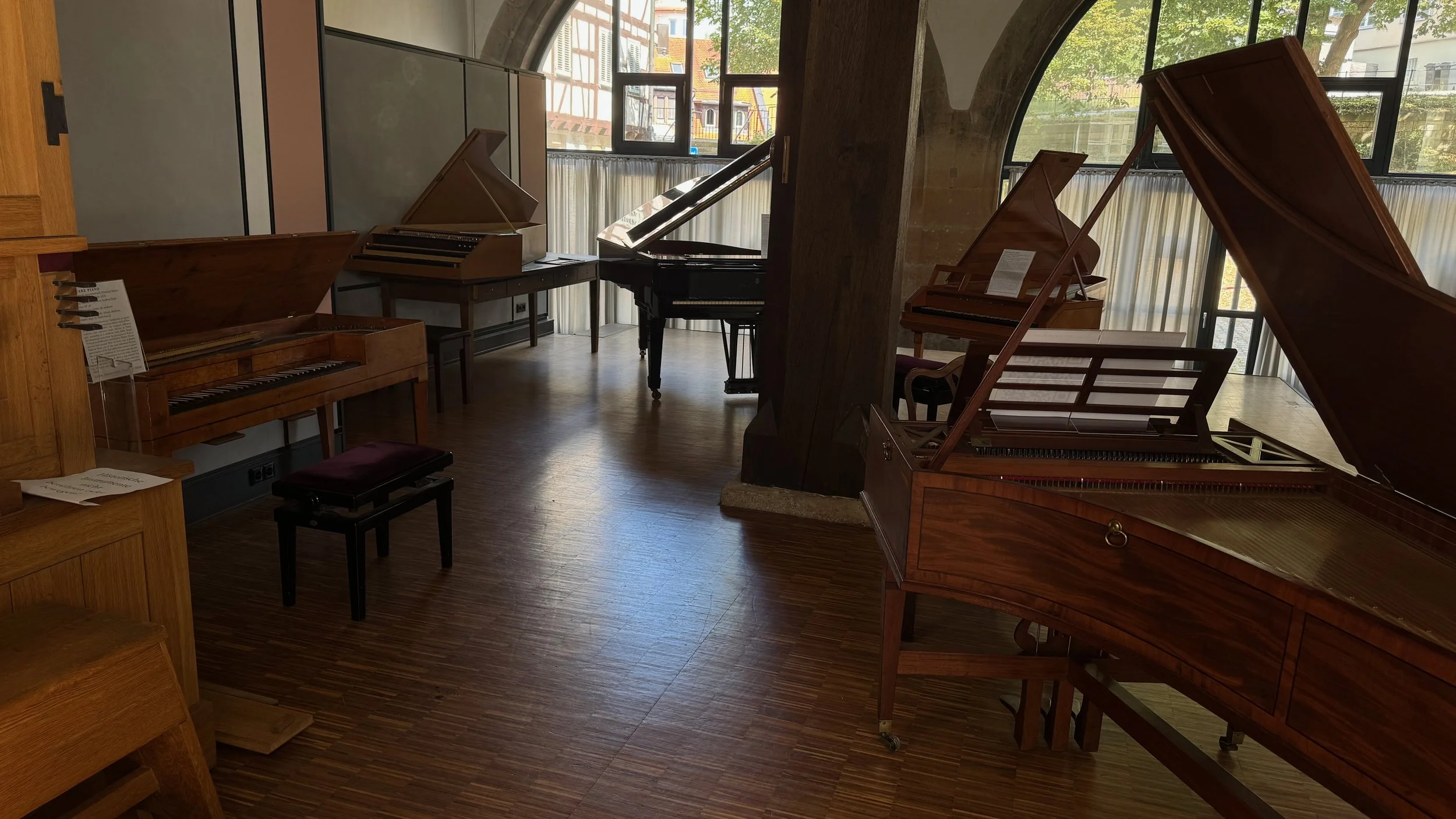
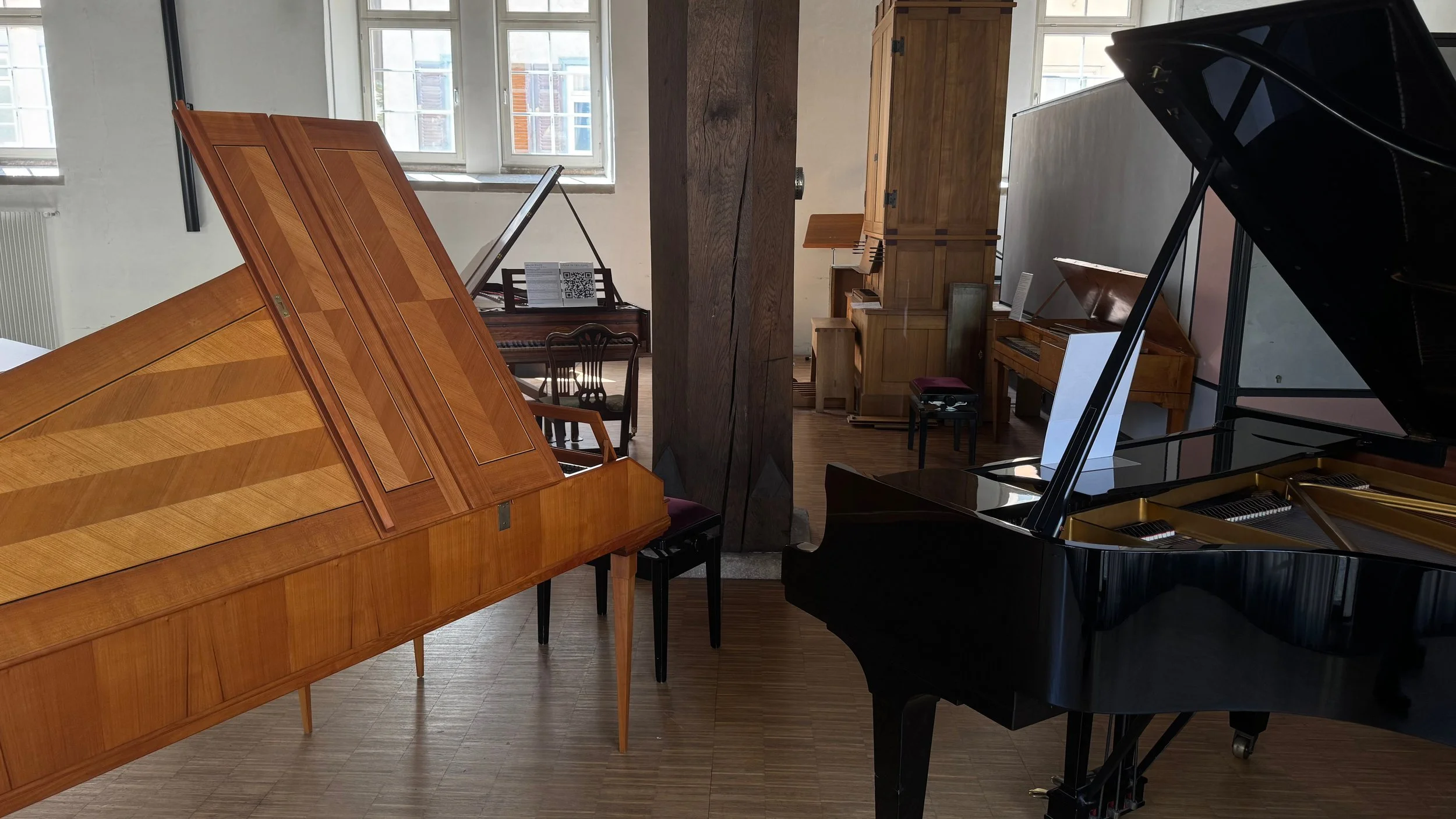
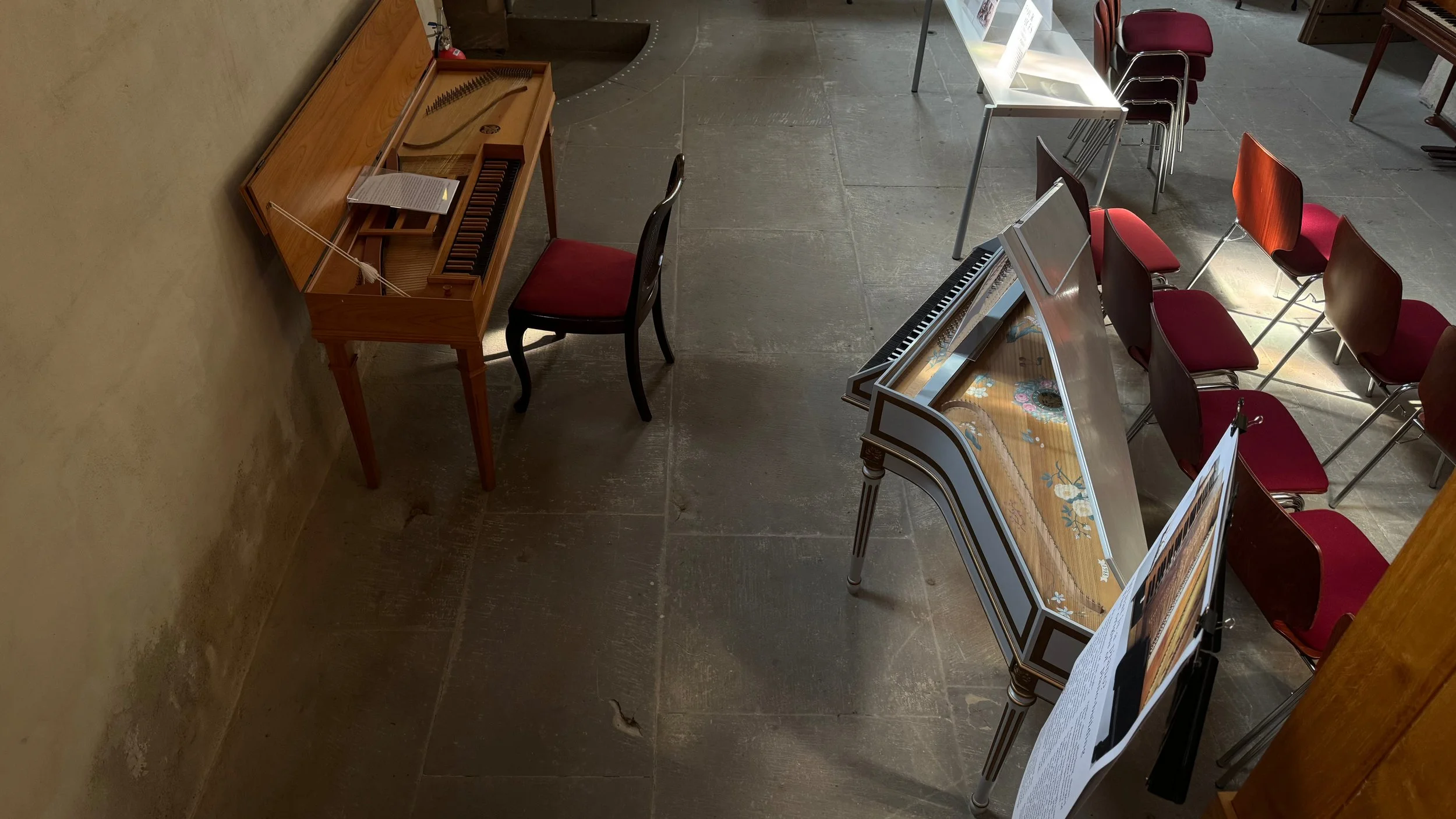
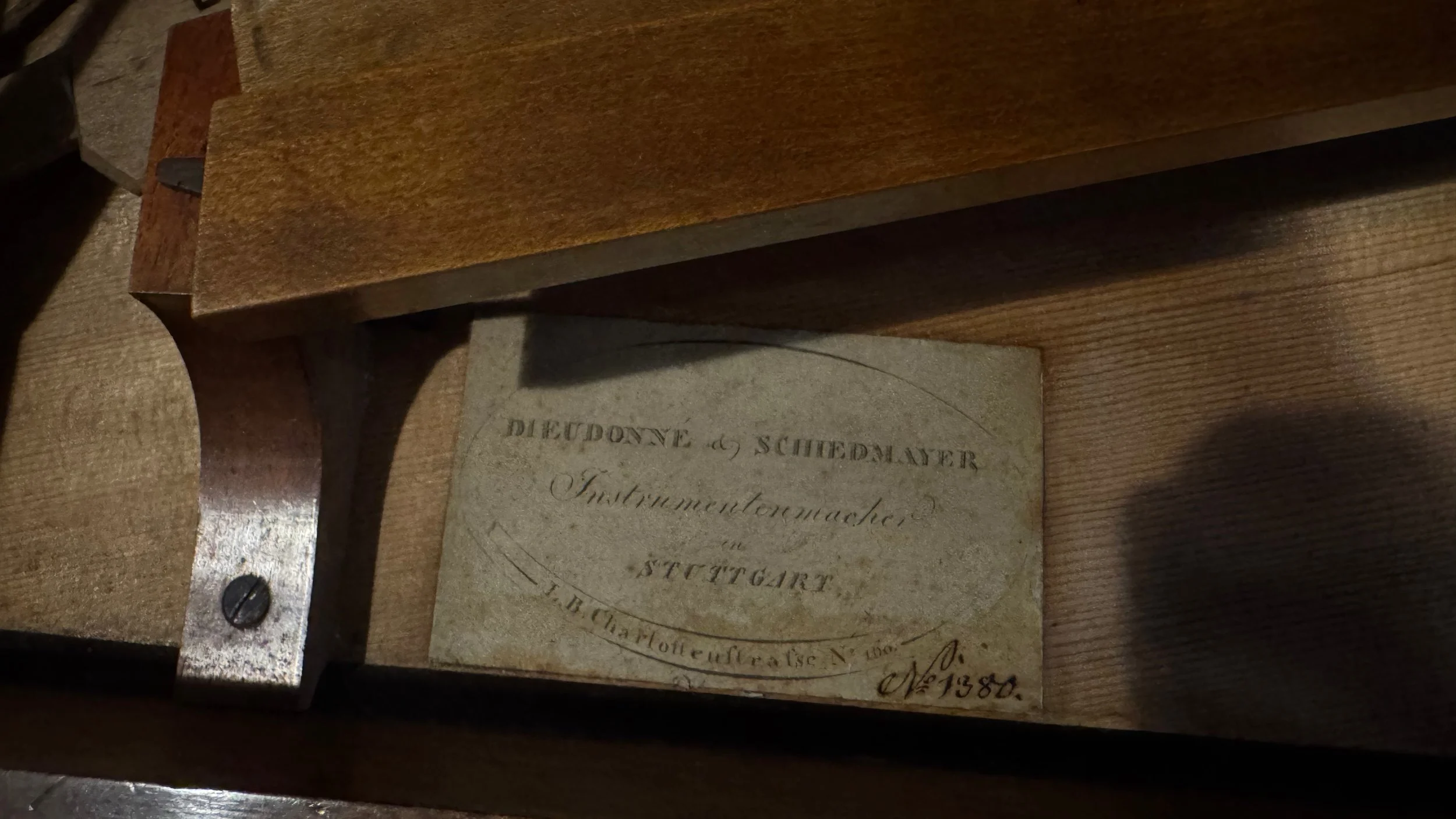
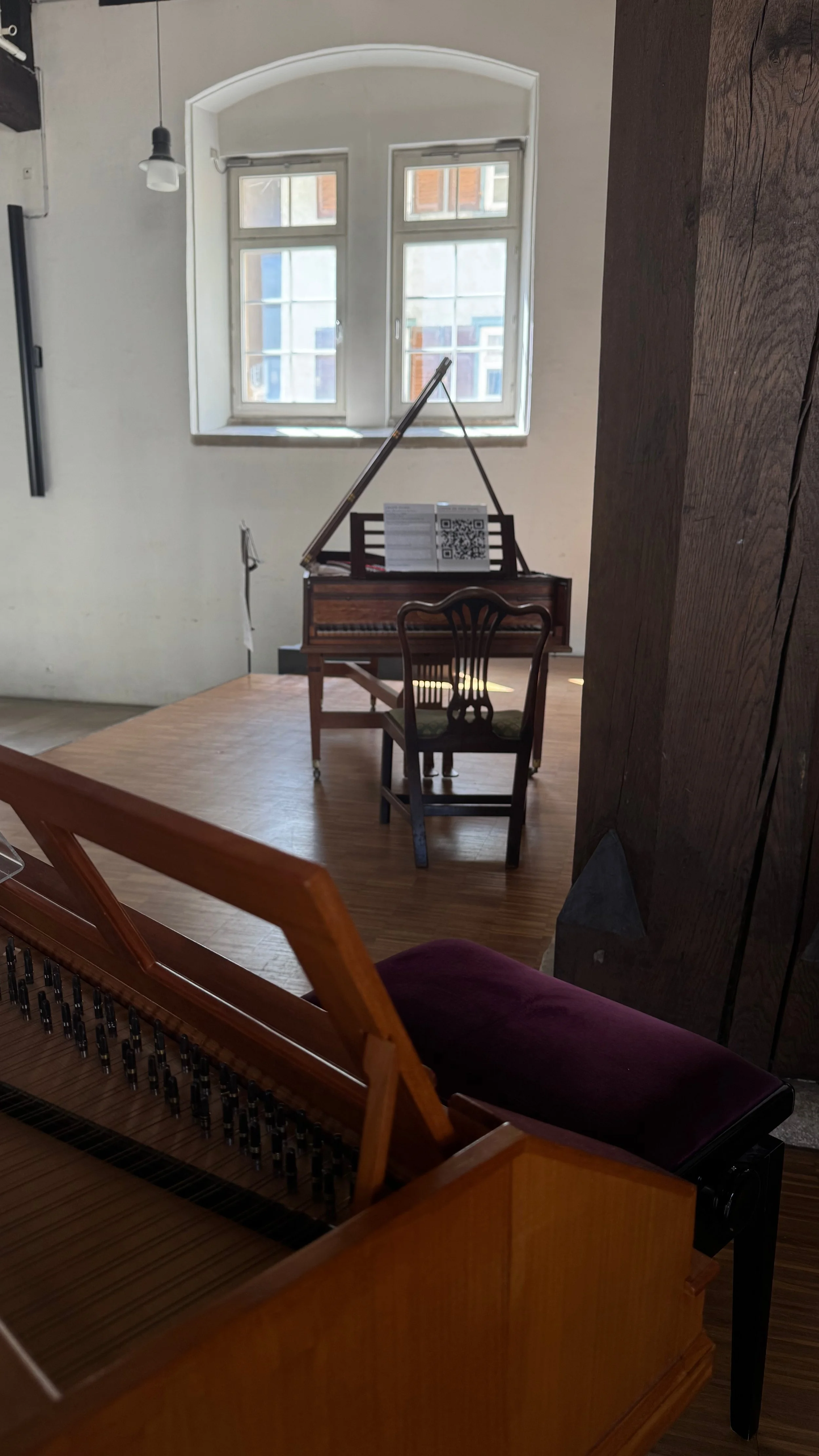
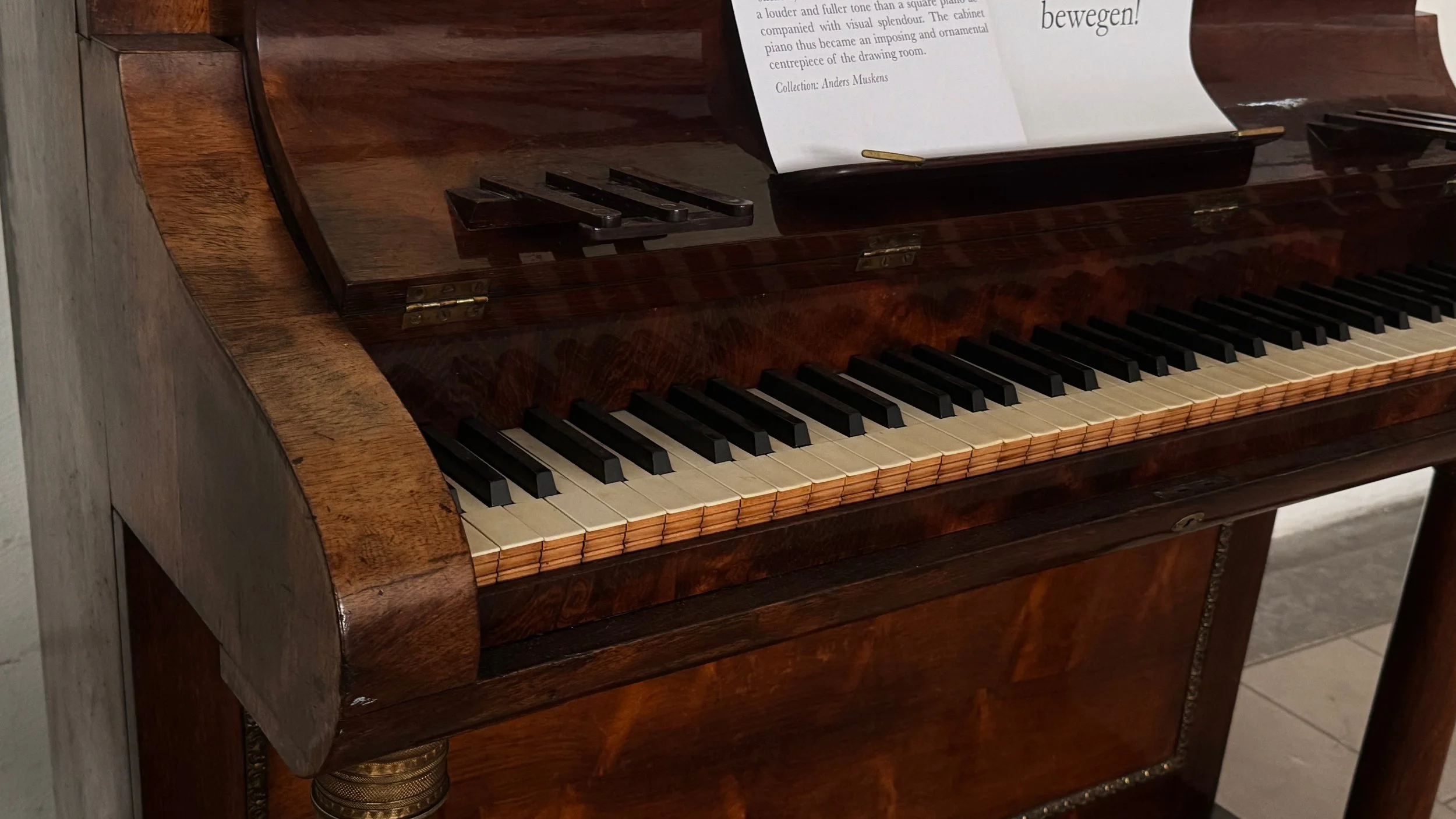
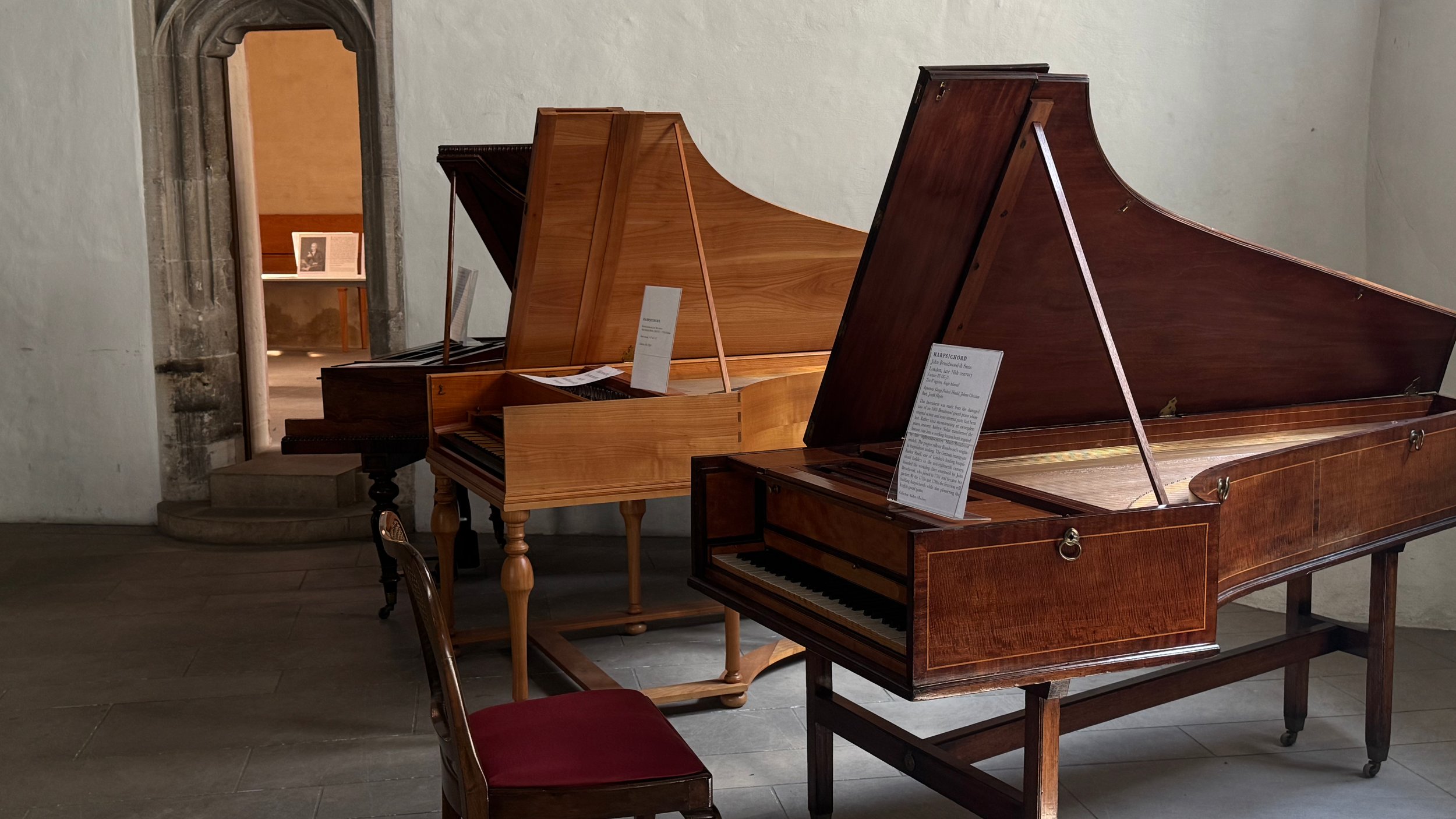
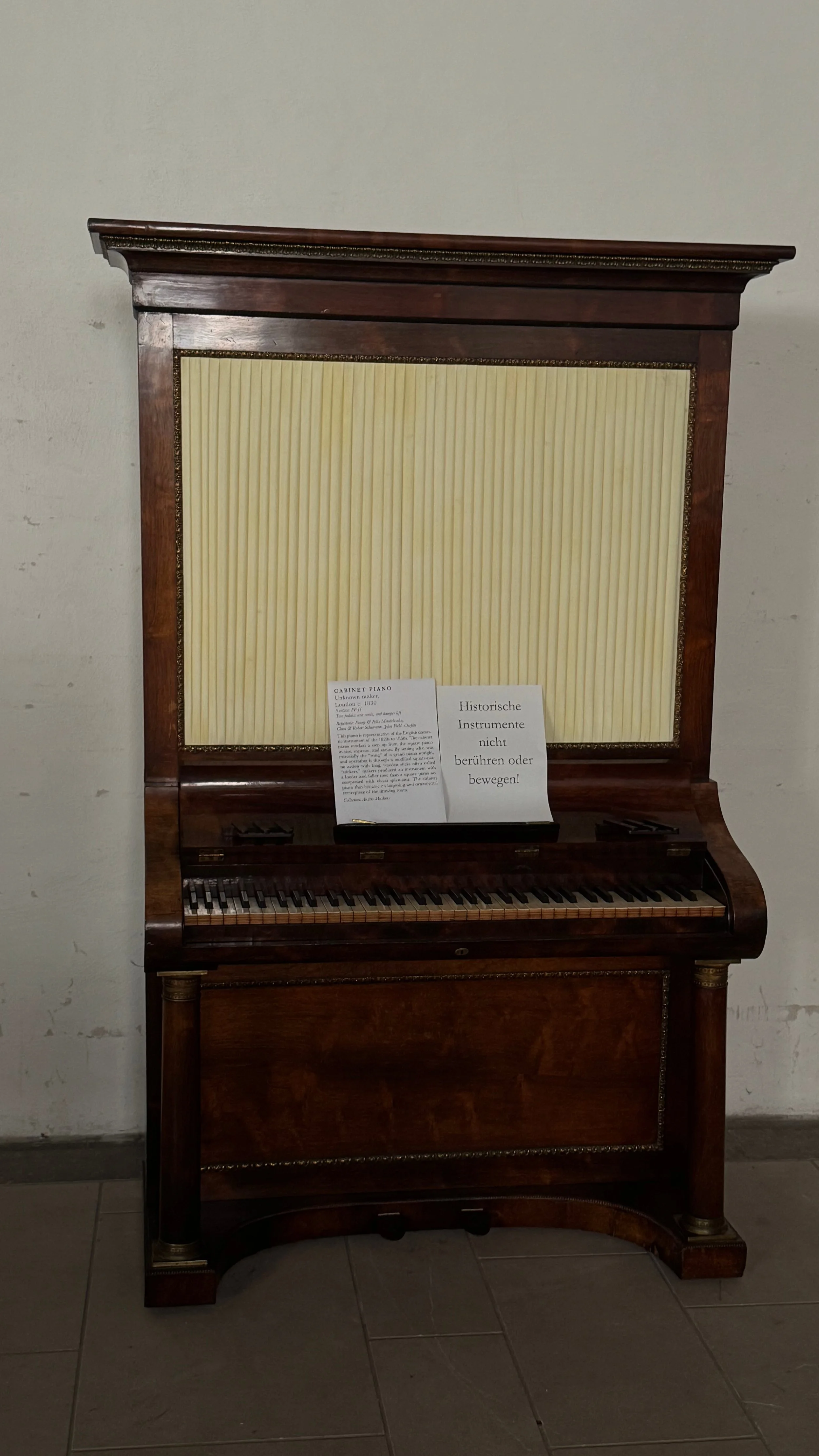
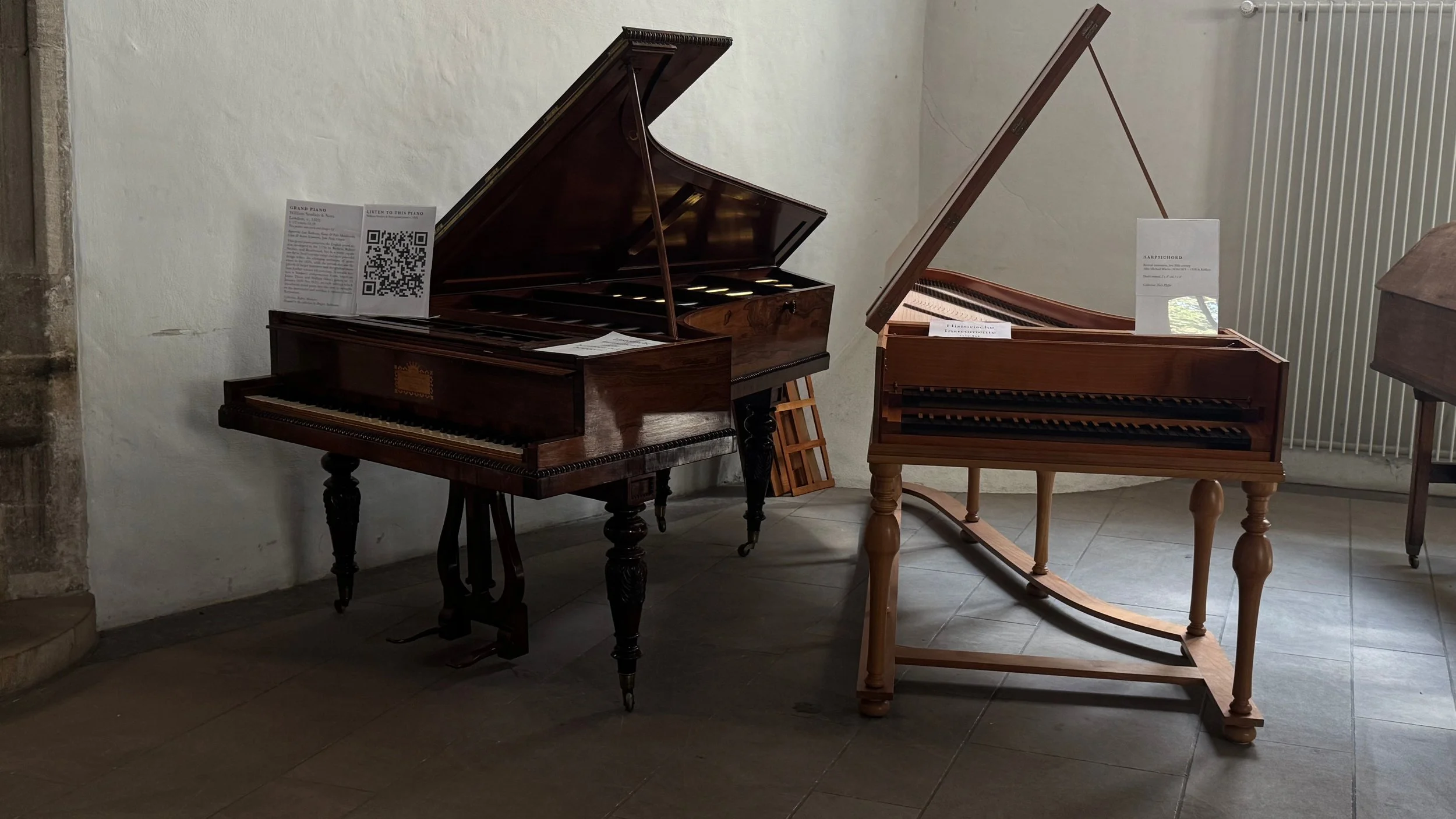
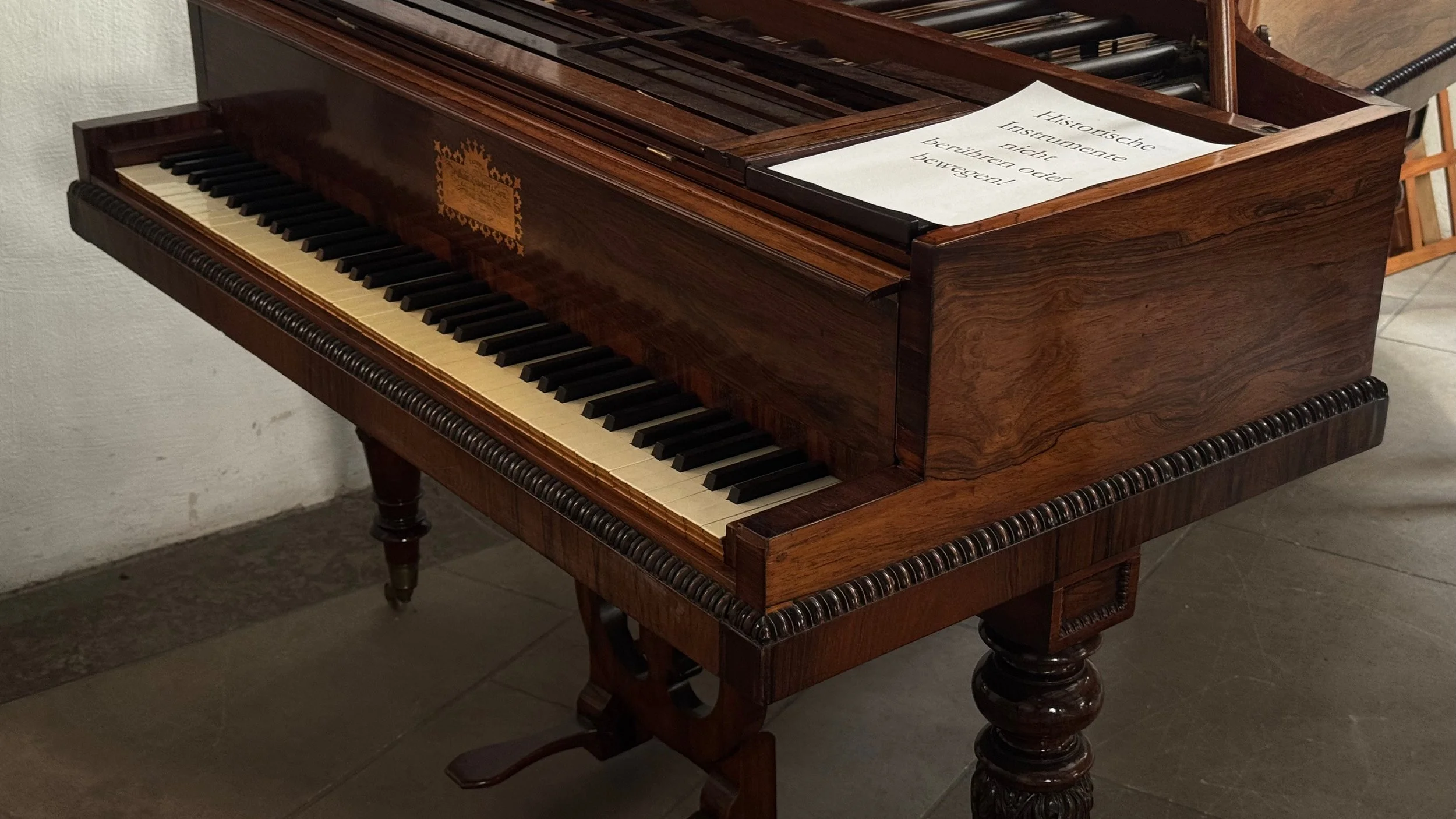
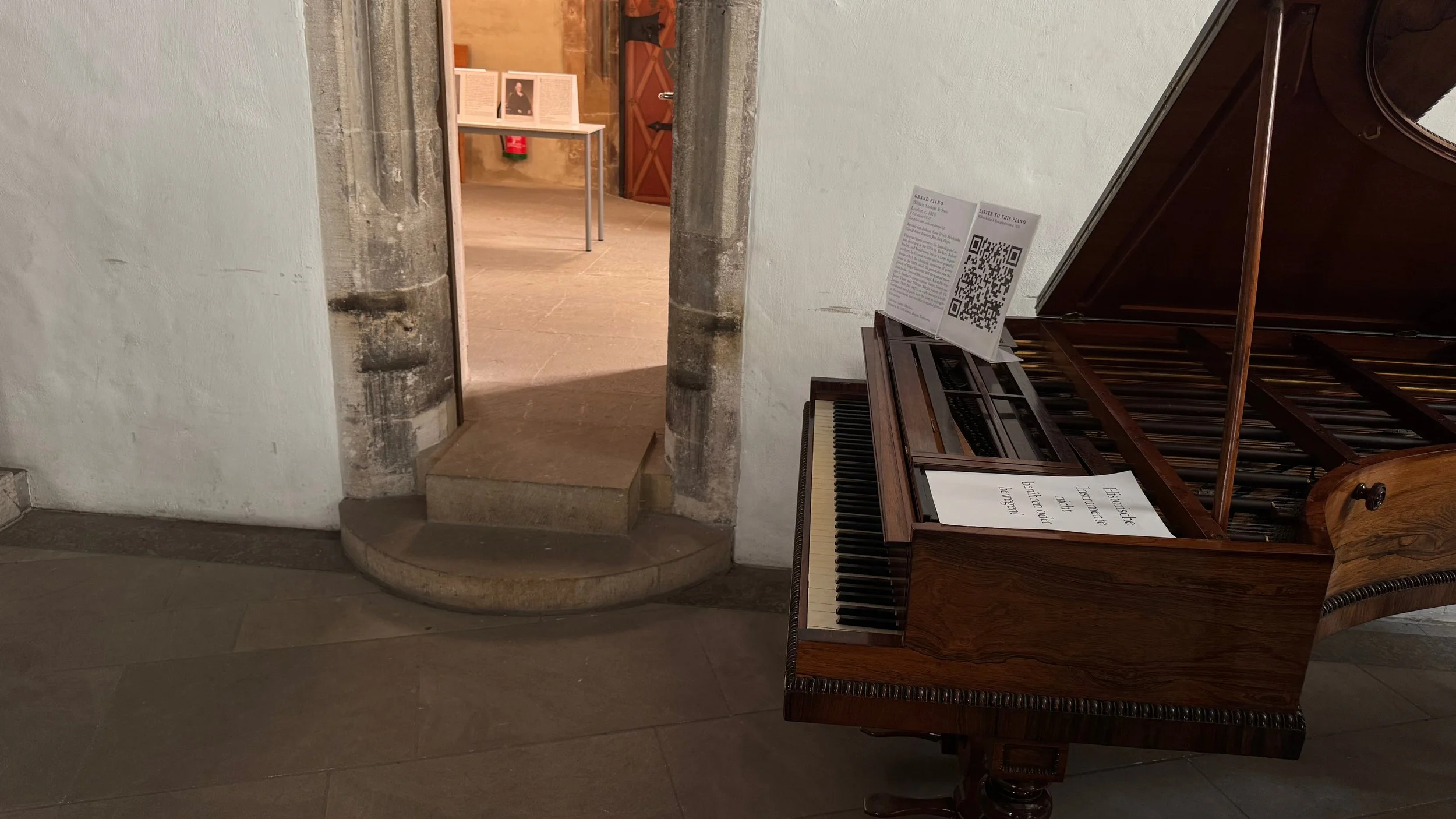
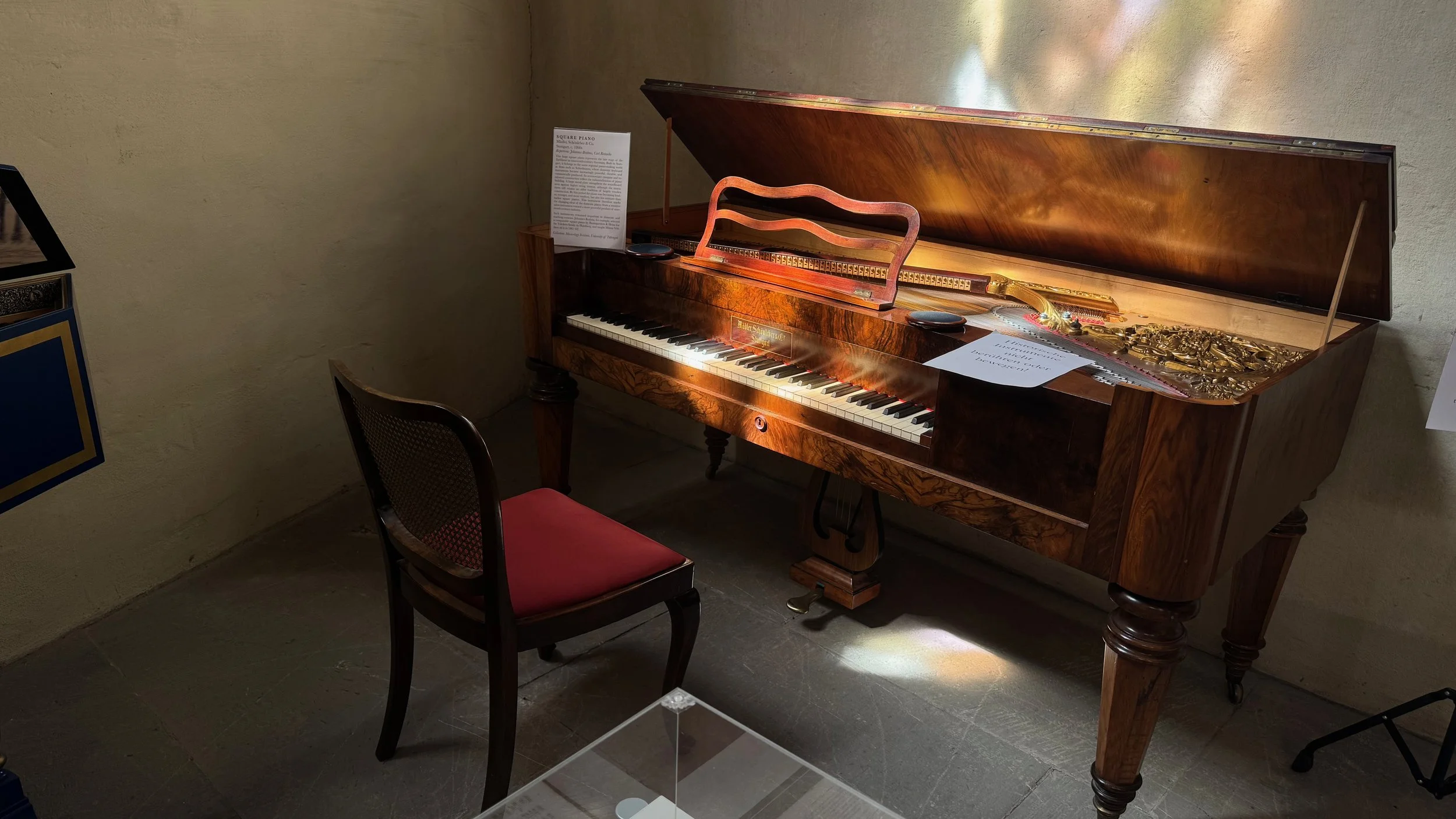
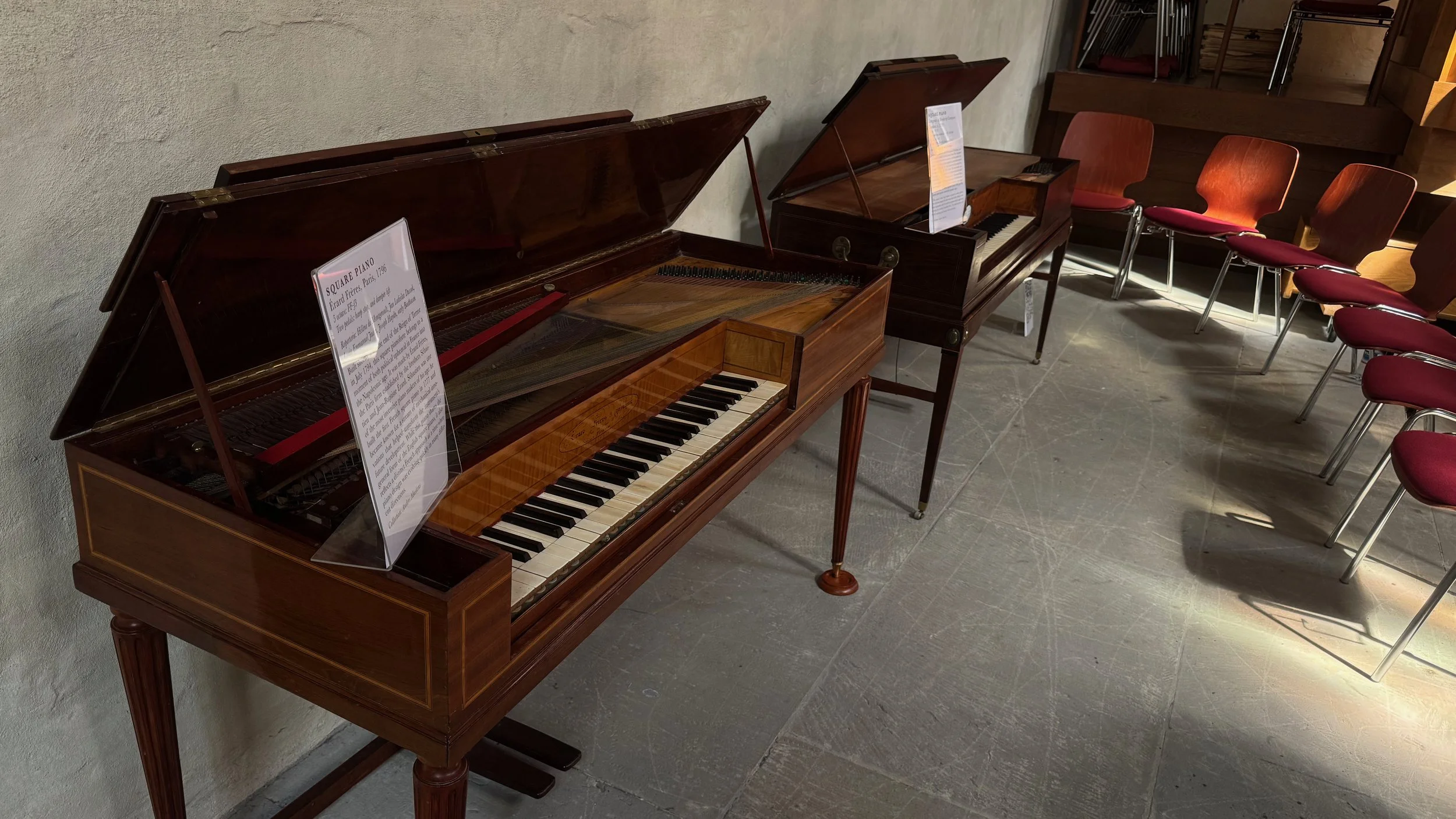
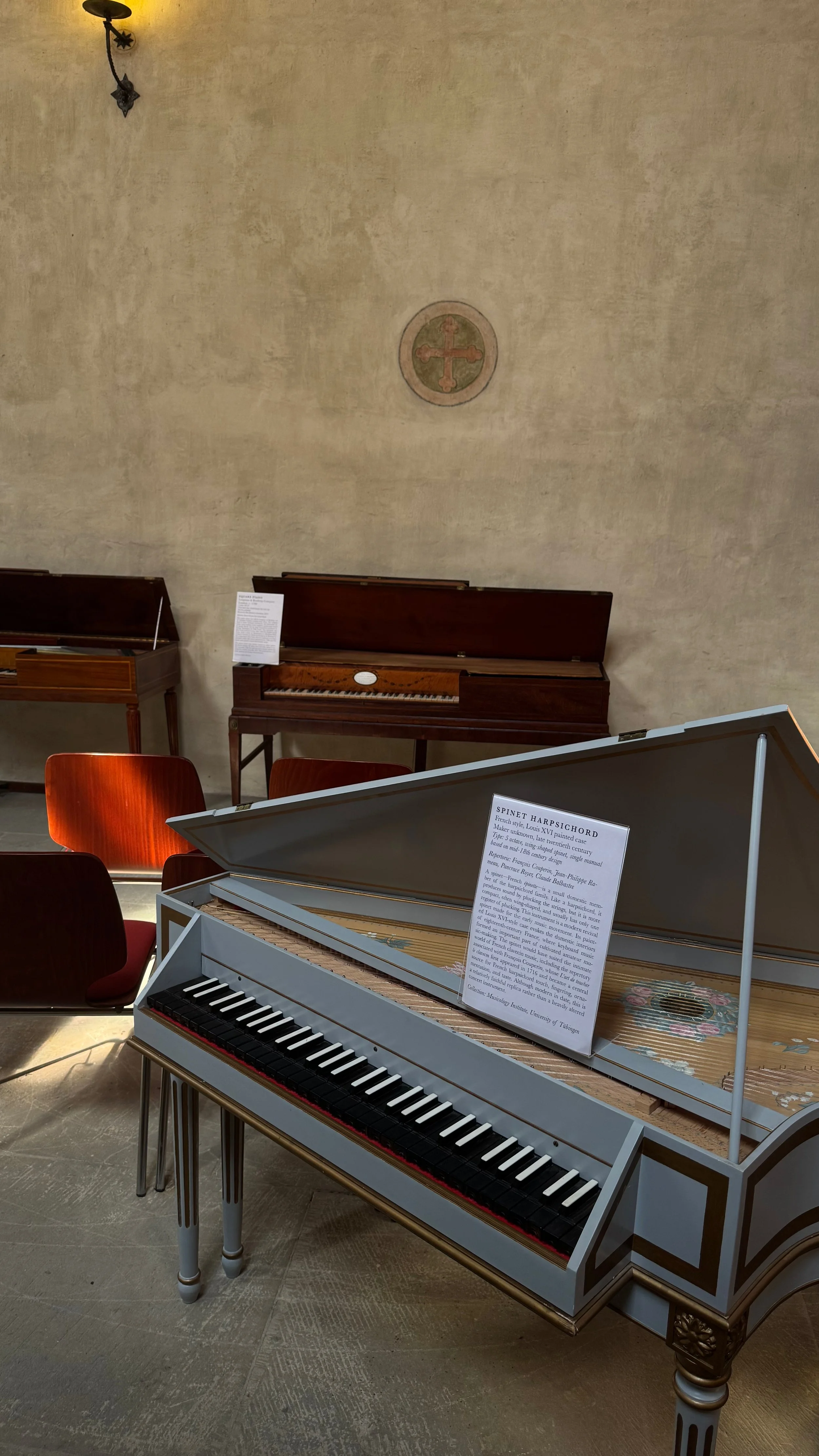
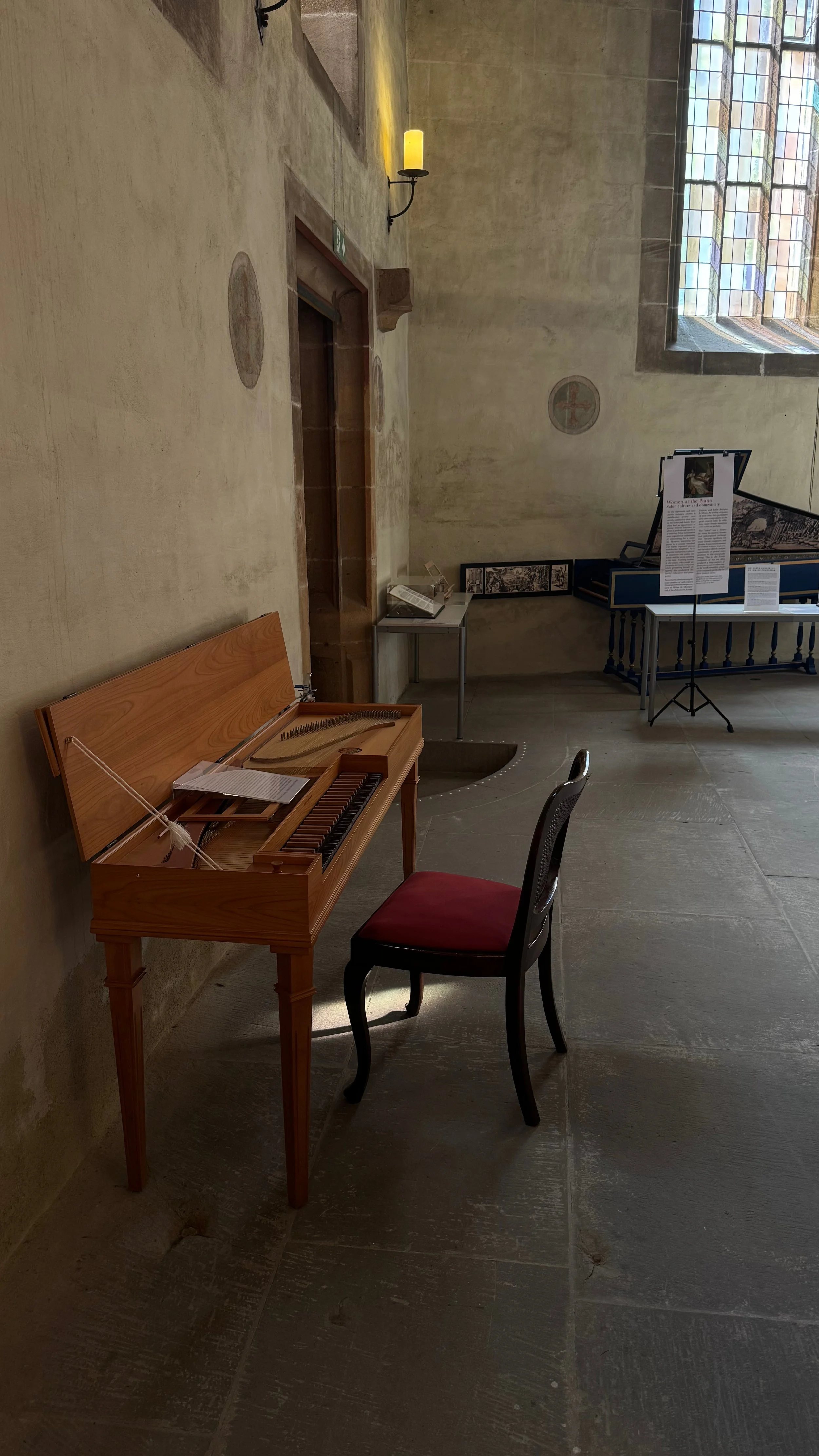
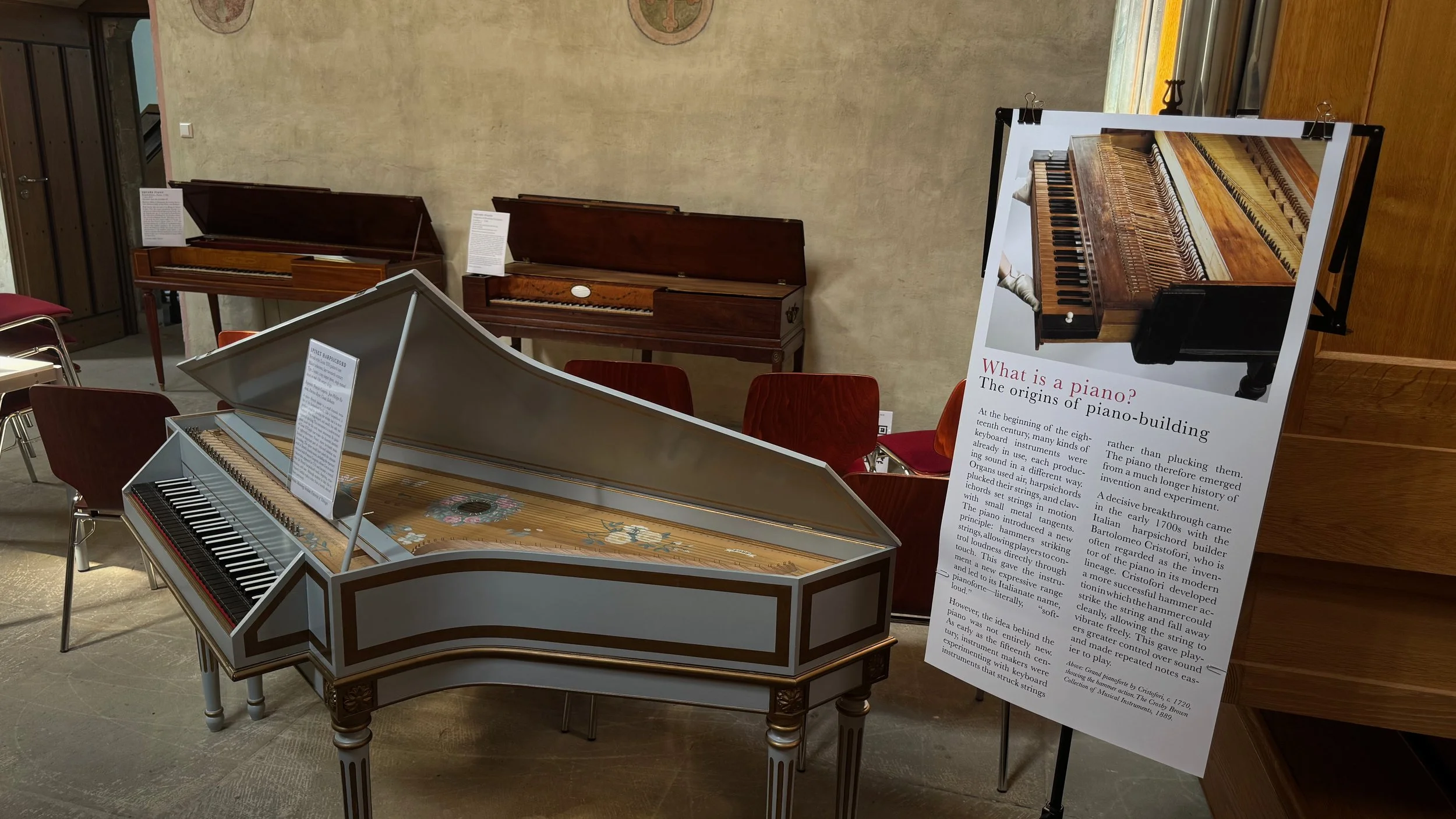
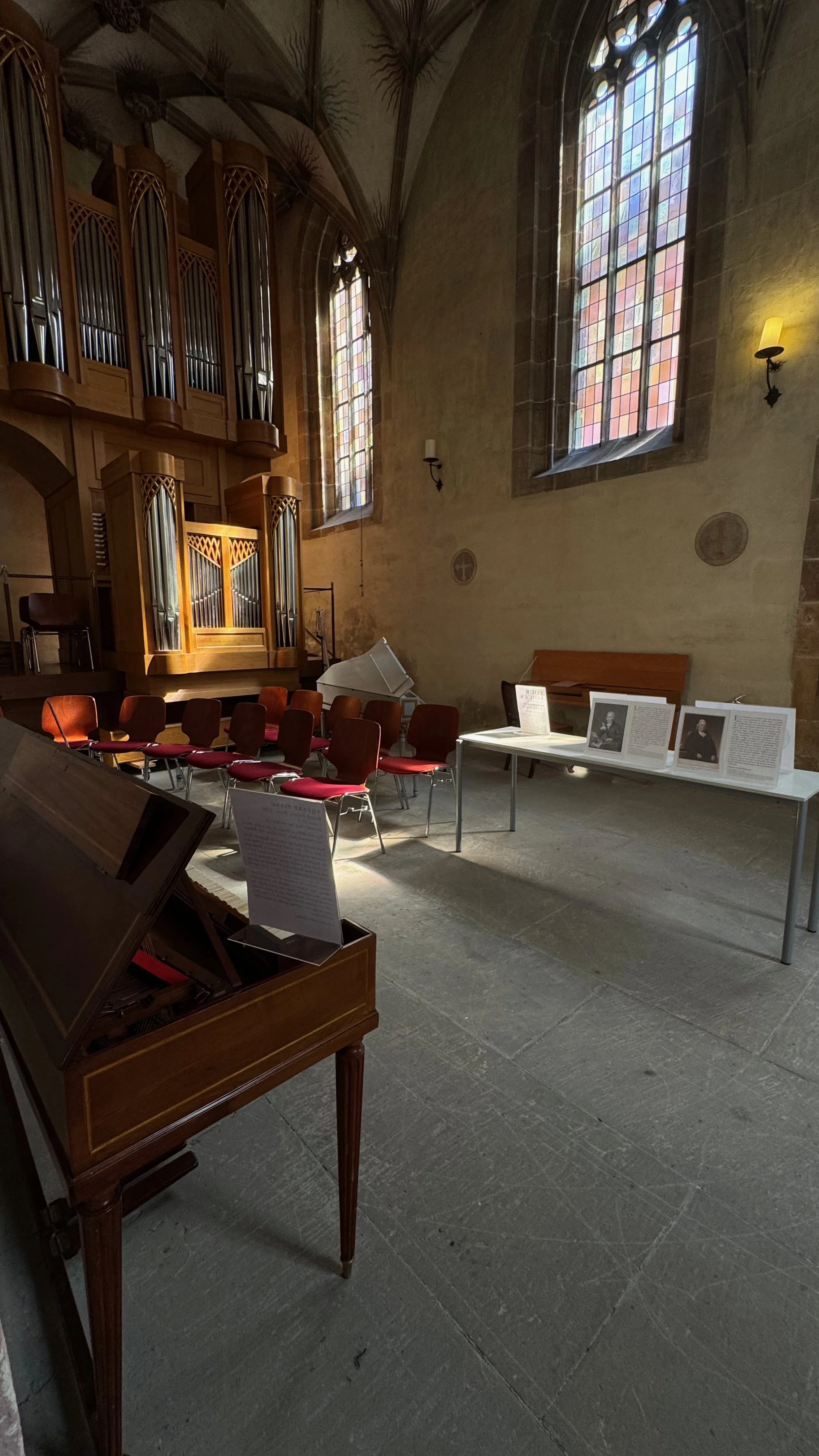
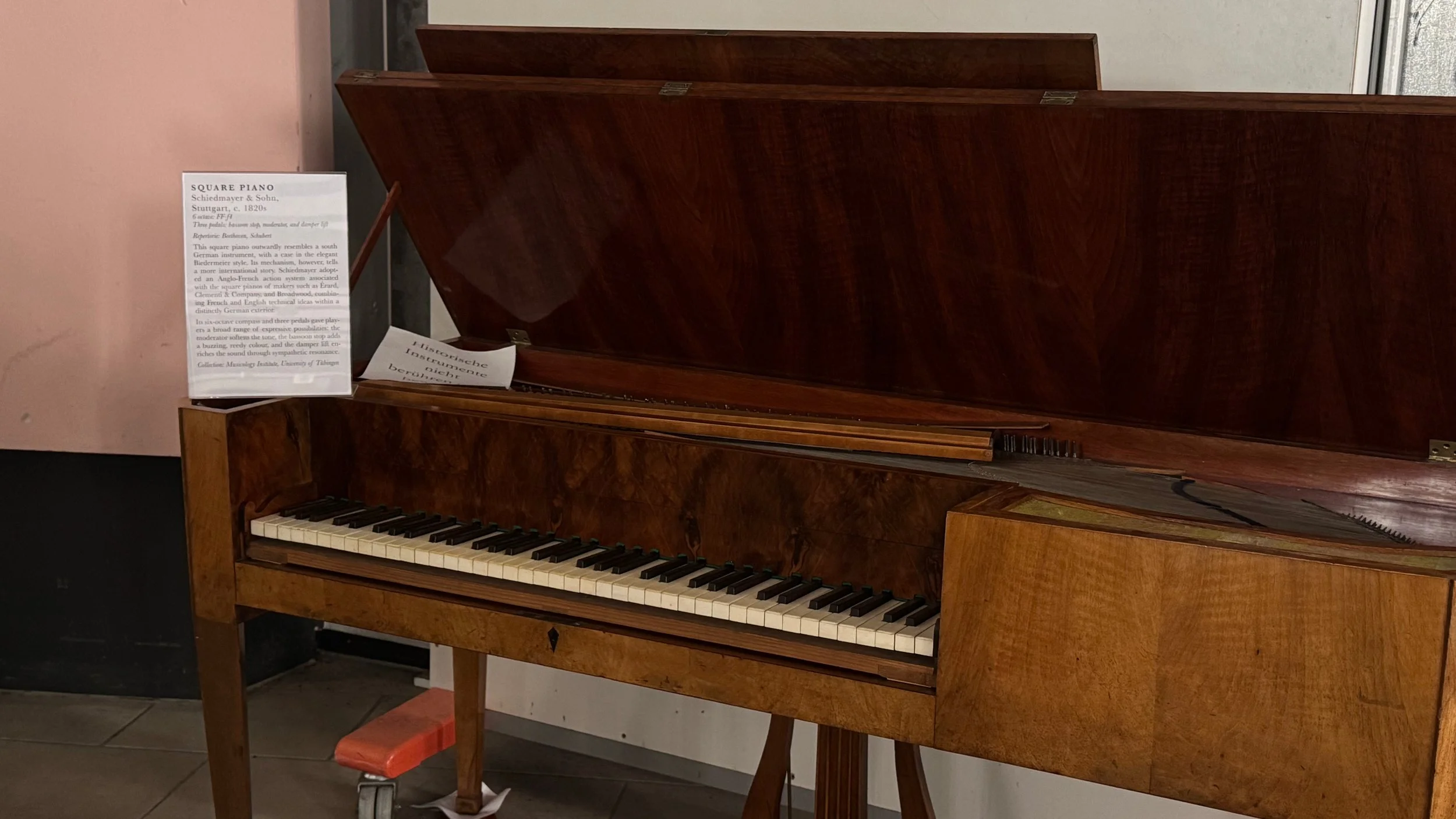
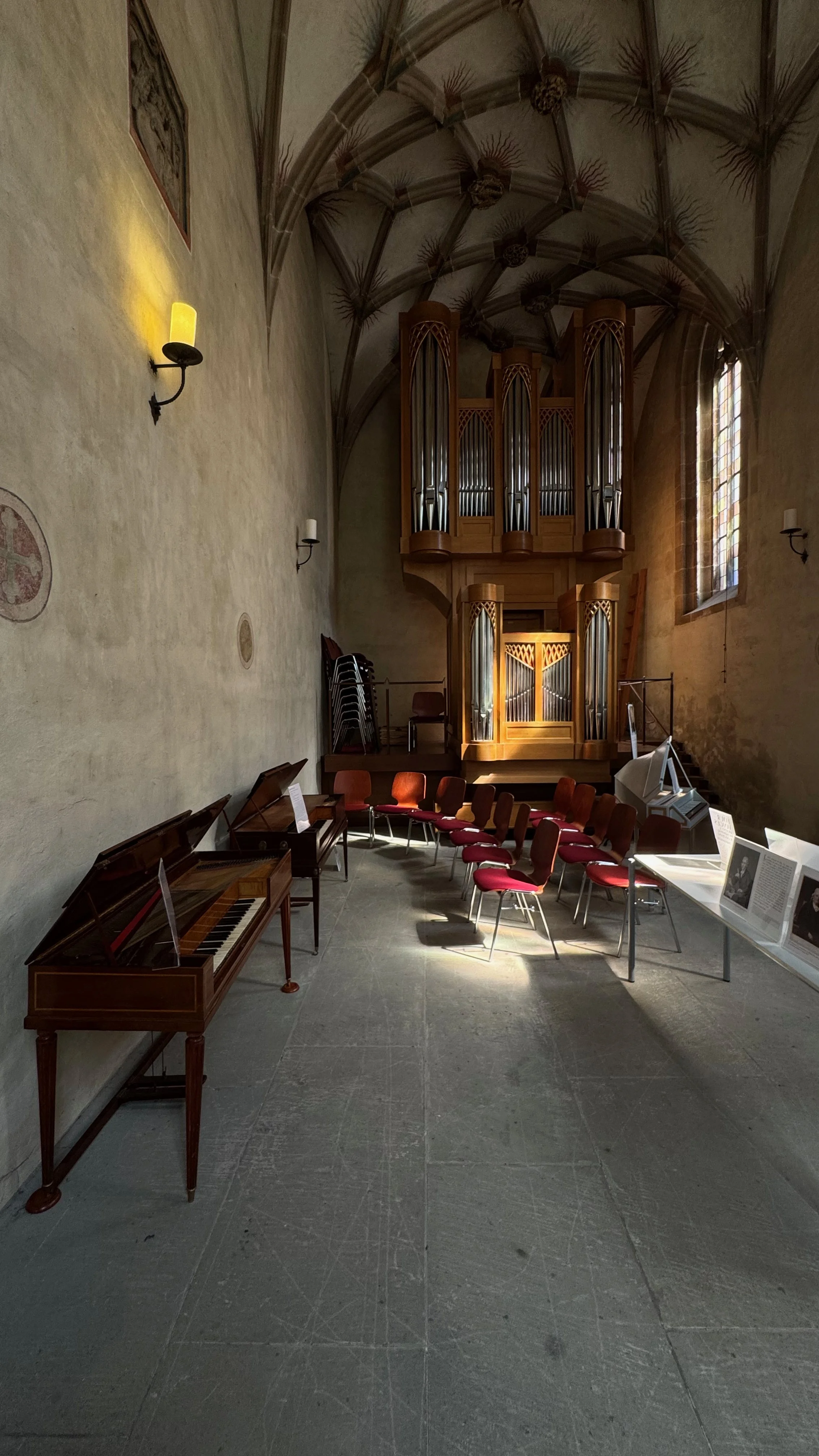
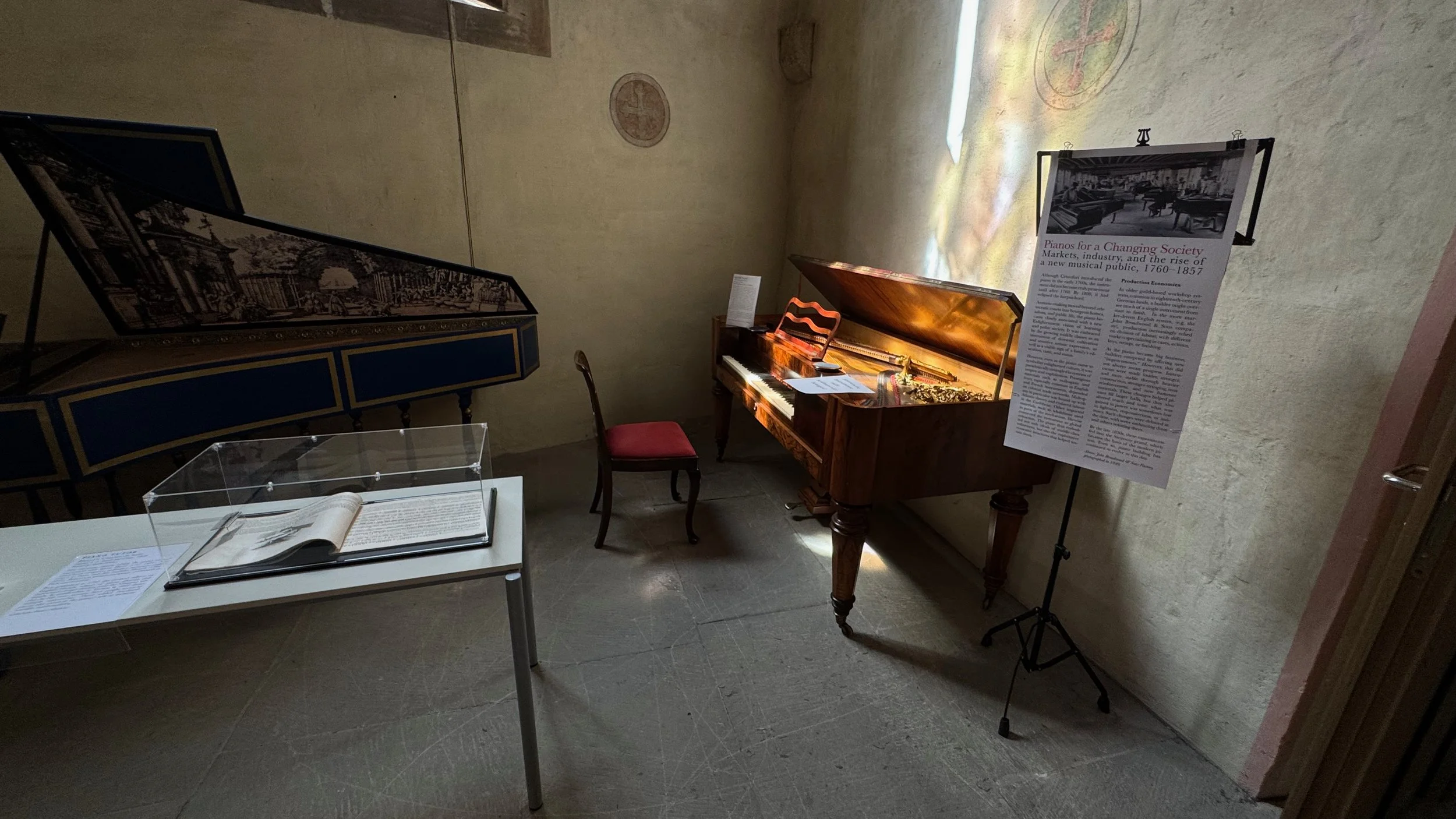
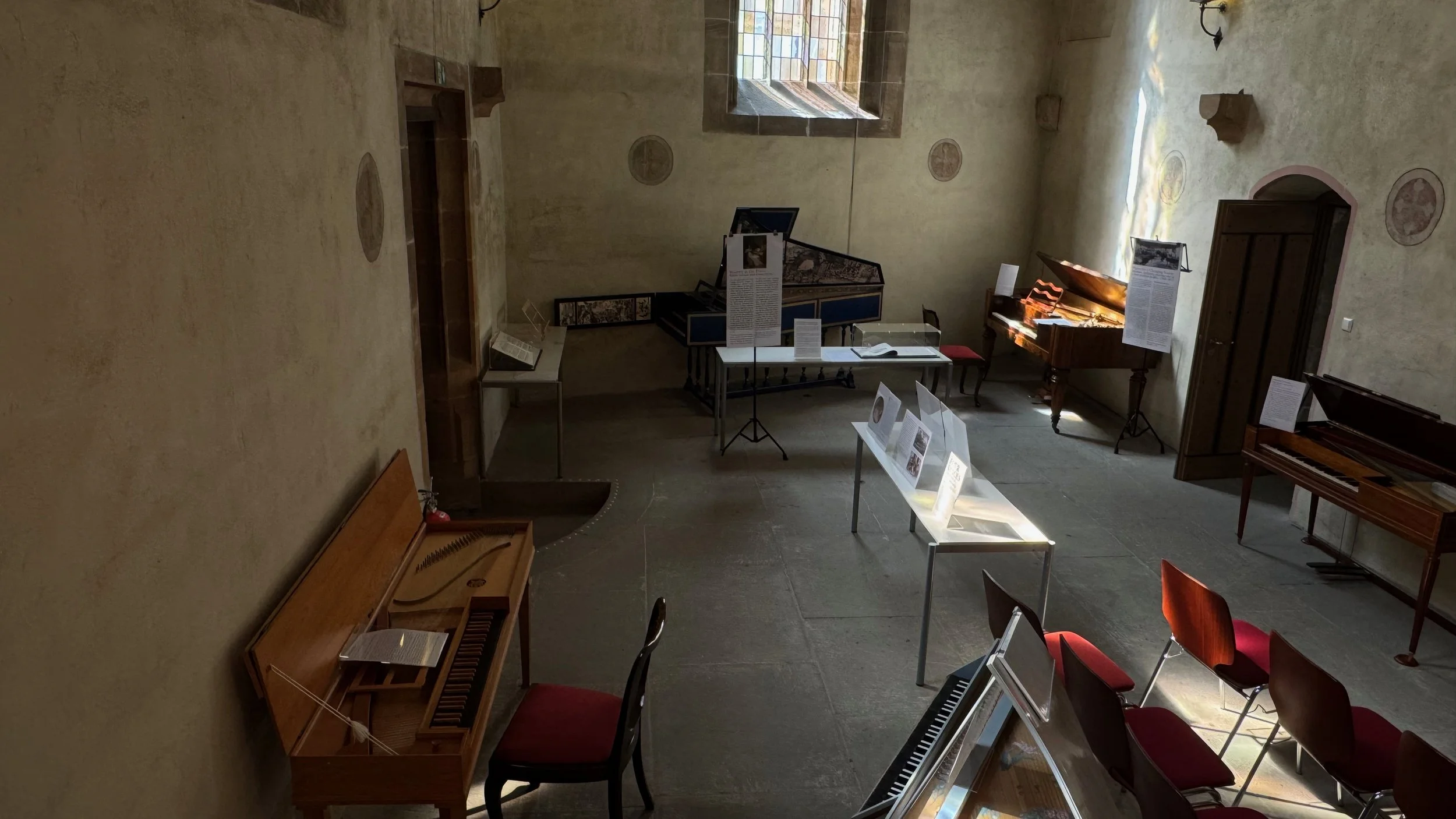
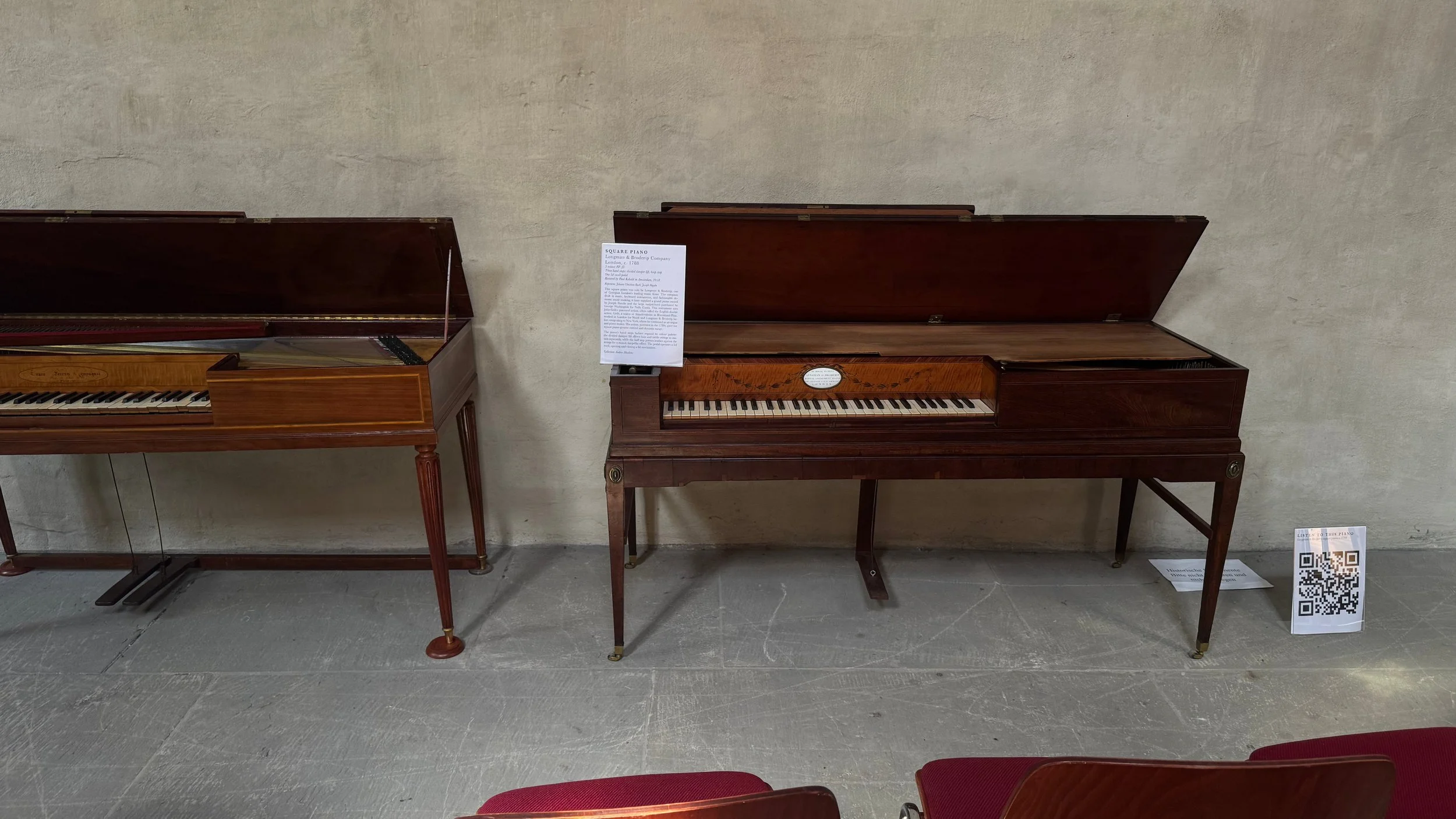
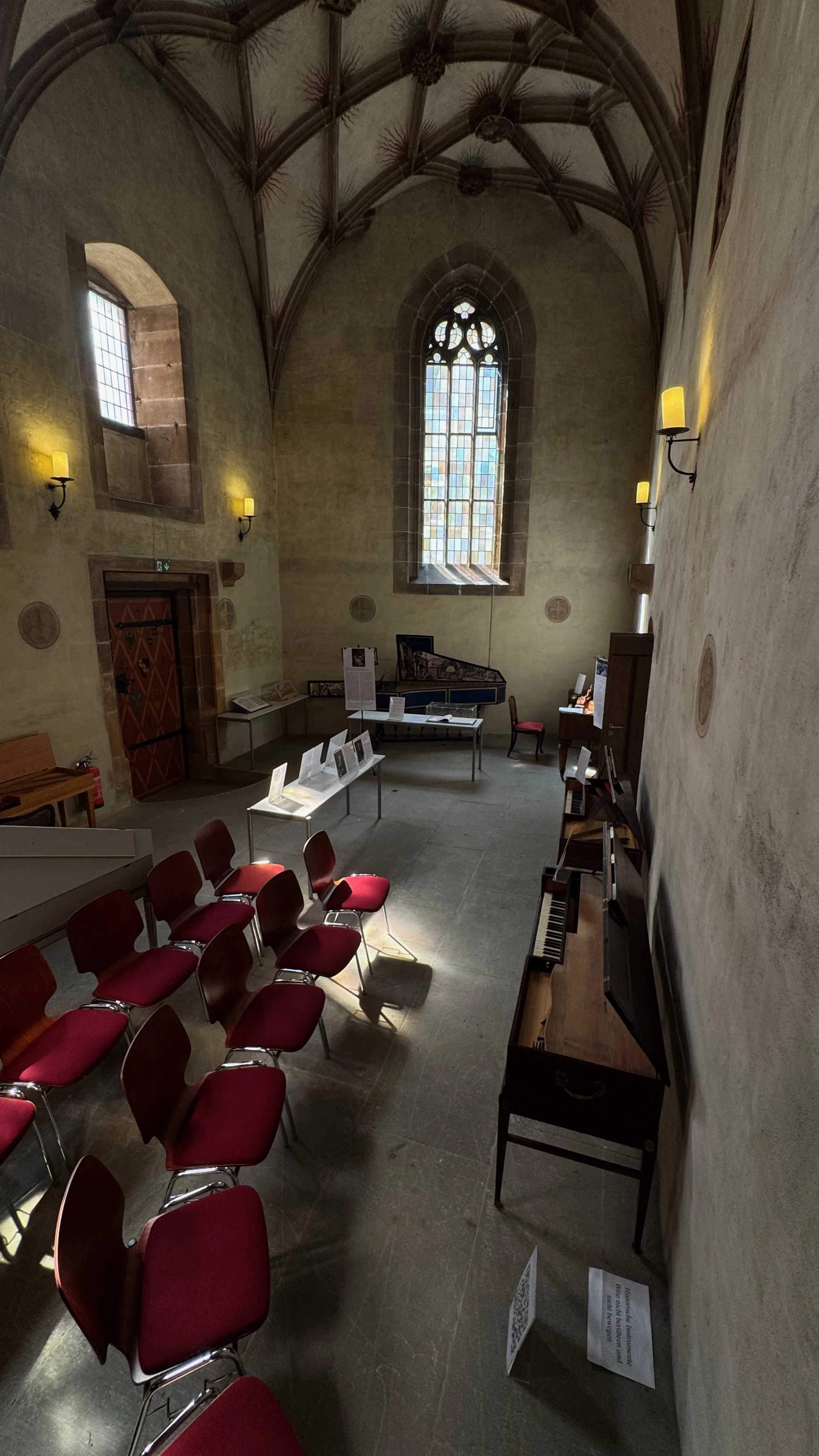
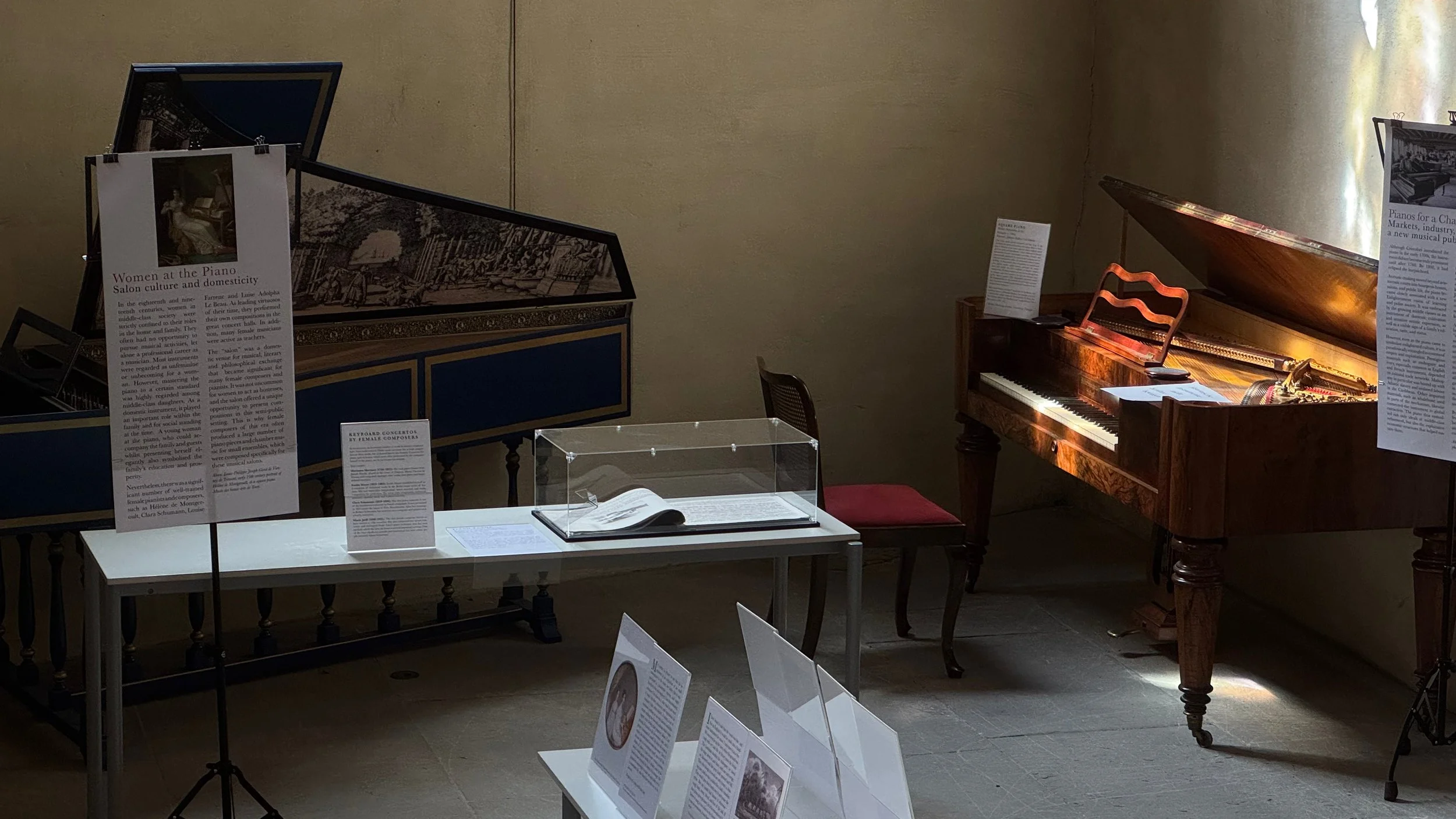
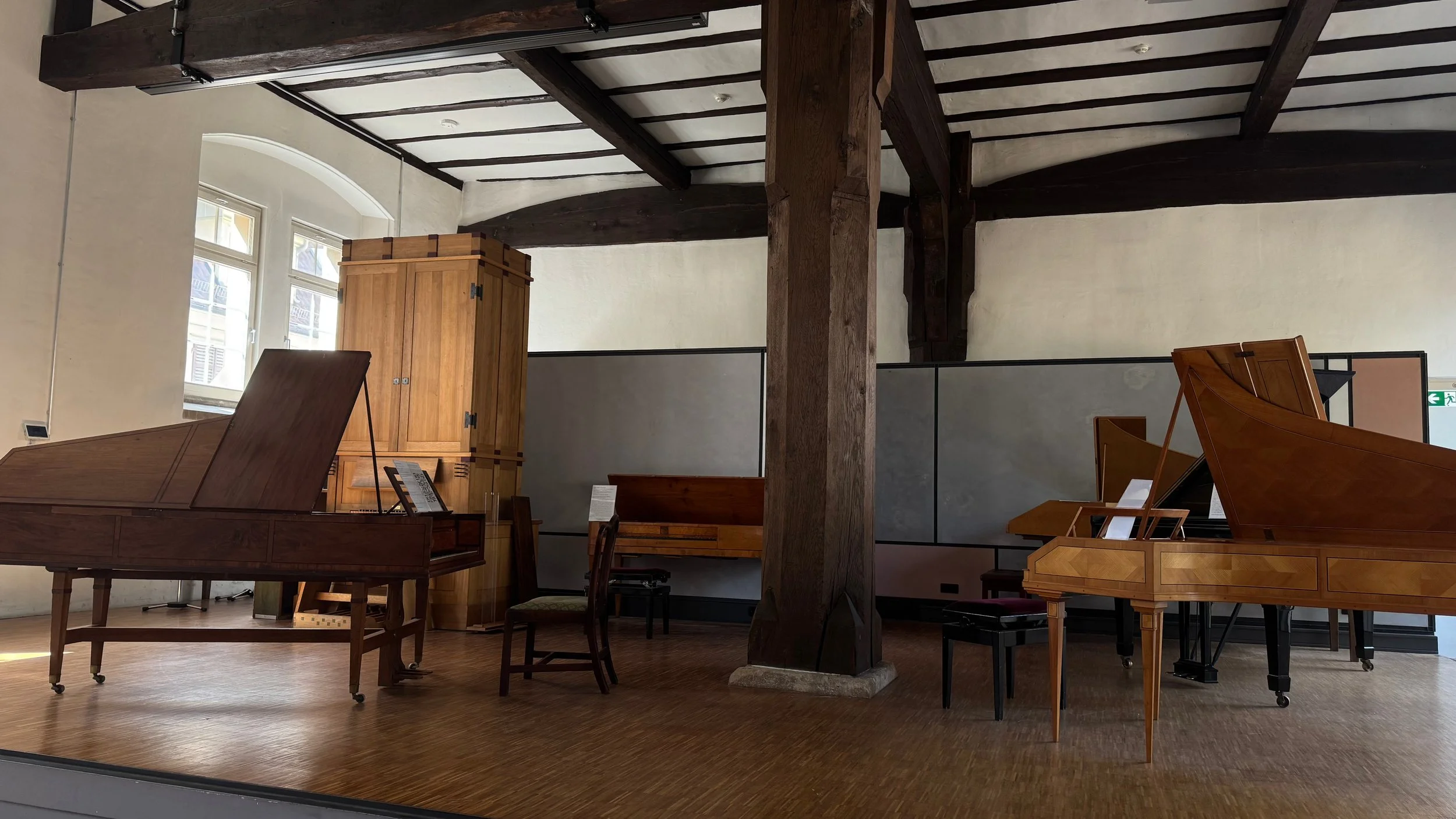
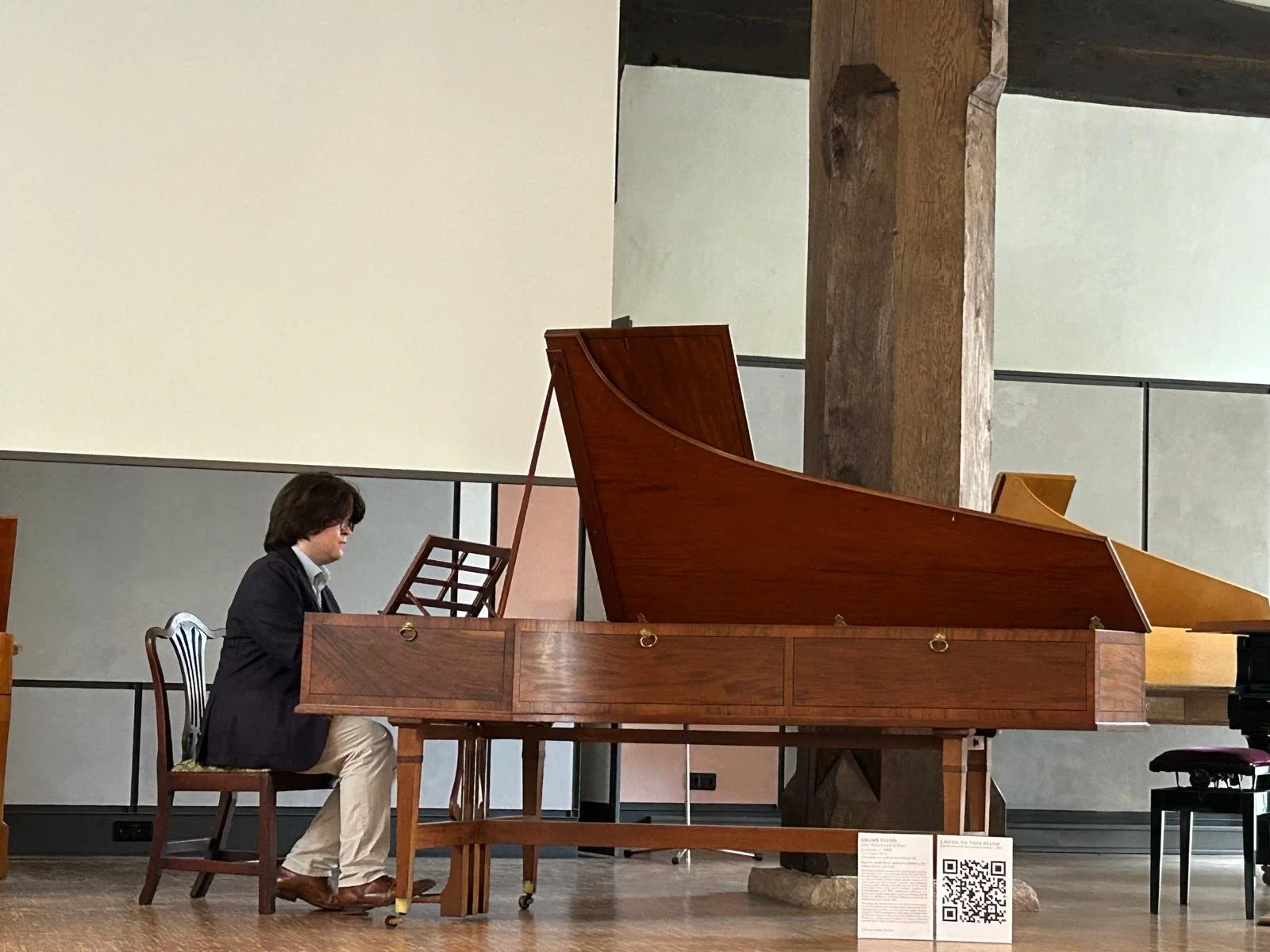
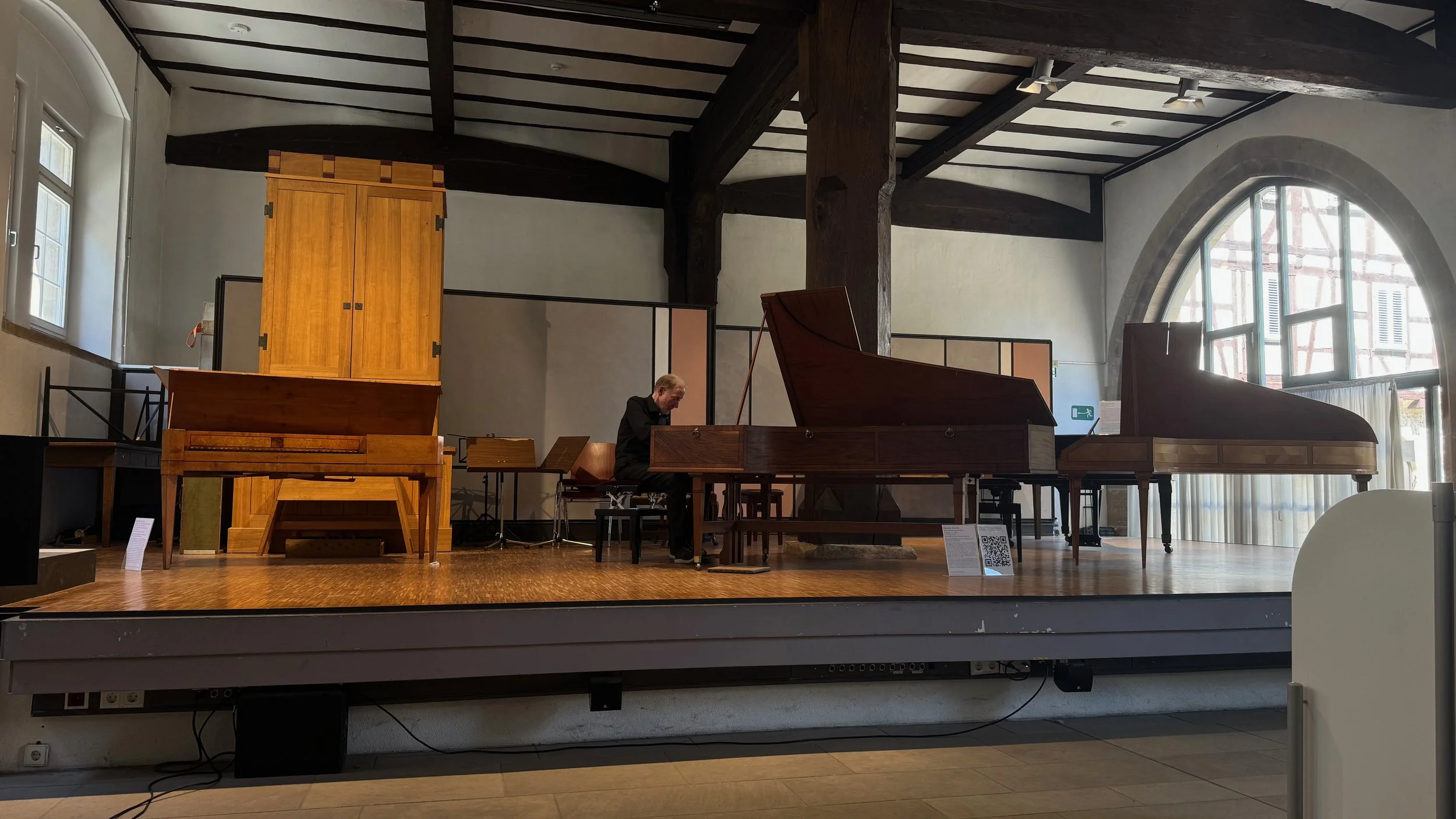
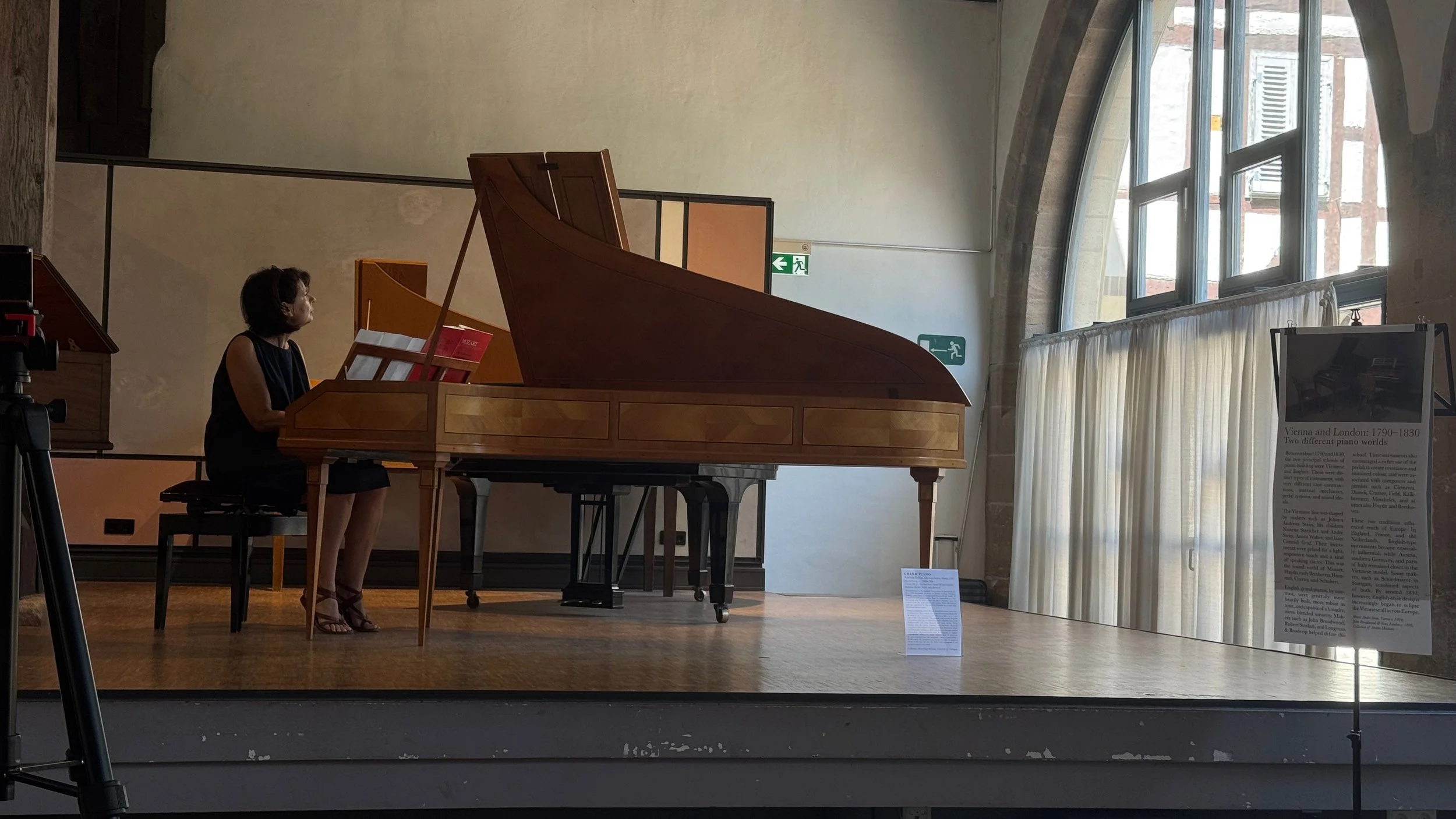
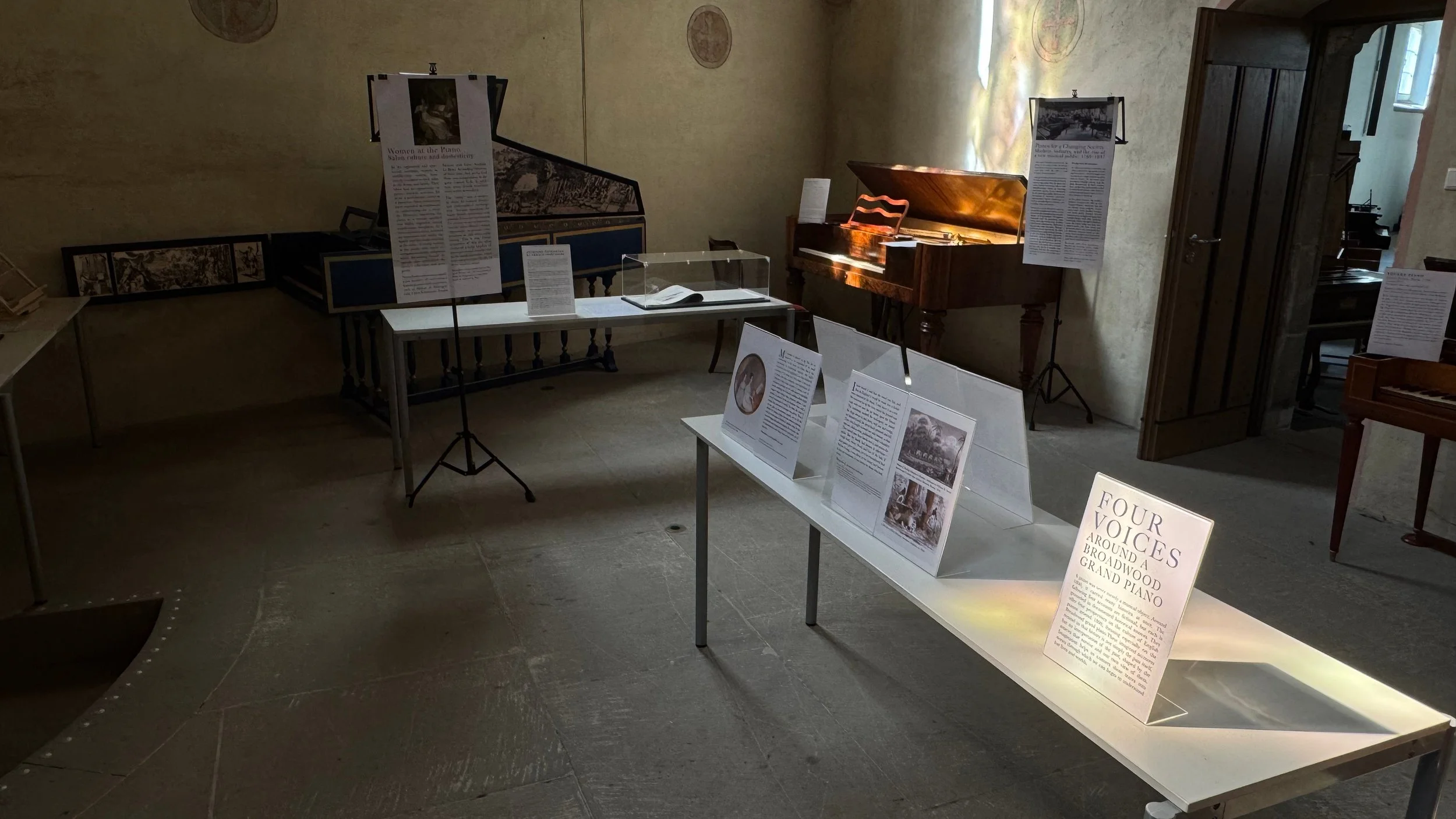
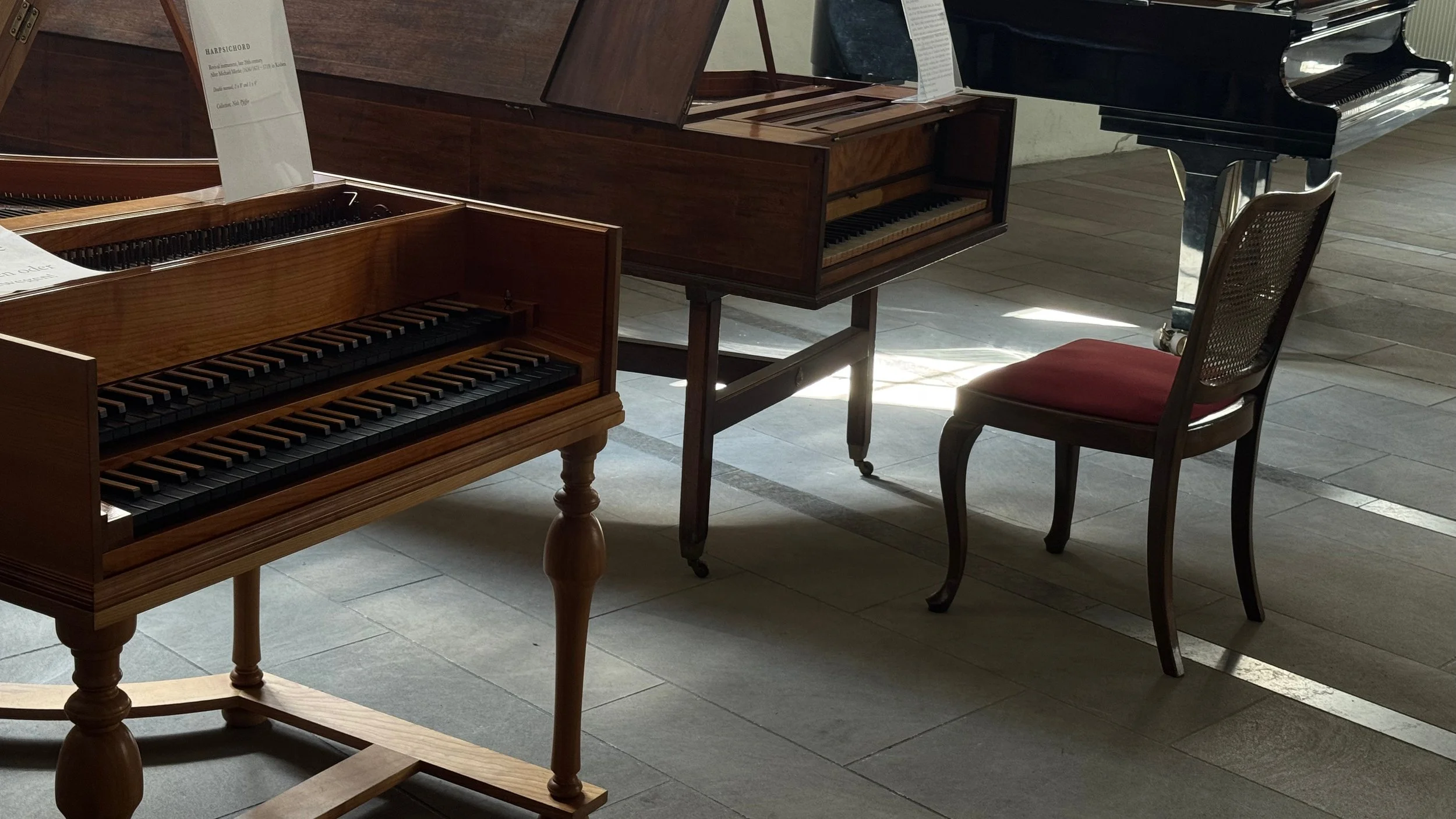
Curated together with students of the Musicology Institute, the exhibition brought together historical keyboard instruments from my own collection and from the collections of the University of Tübingen. Rather than presenting the history of the piano as a linear progression toward the modern concert grand, the exhibition sought to treat different kinds of keyboard instruments as “great” in their own right. Each instrument reflects the musical, social, technological, and aesthetic world of its own time, and each offers a distinct perspective on the repertoire composed for it.
The exhibition explored the rich diversity of historical keyboard culture—from harpsichords and clavichords to square pianos, Viennese fortepianos, and early nineteenth-century grand pianos. A central theme was the recognition that much of the greatest piano repertoire was composed before the modern piano existed. By encountering these earlier instruments, we are invited to hear the music of composers such as Haydn, Mozart, Beethoven, Schubert, Chopin, and Schumann through the sound worlds that inspired them.
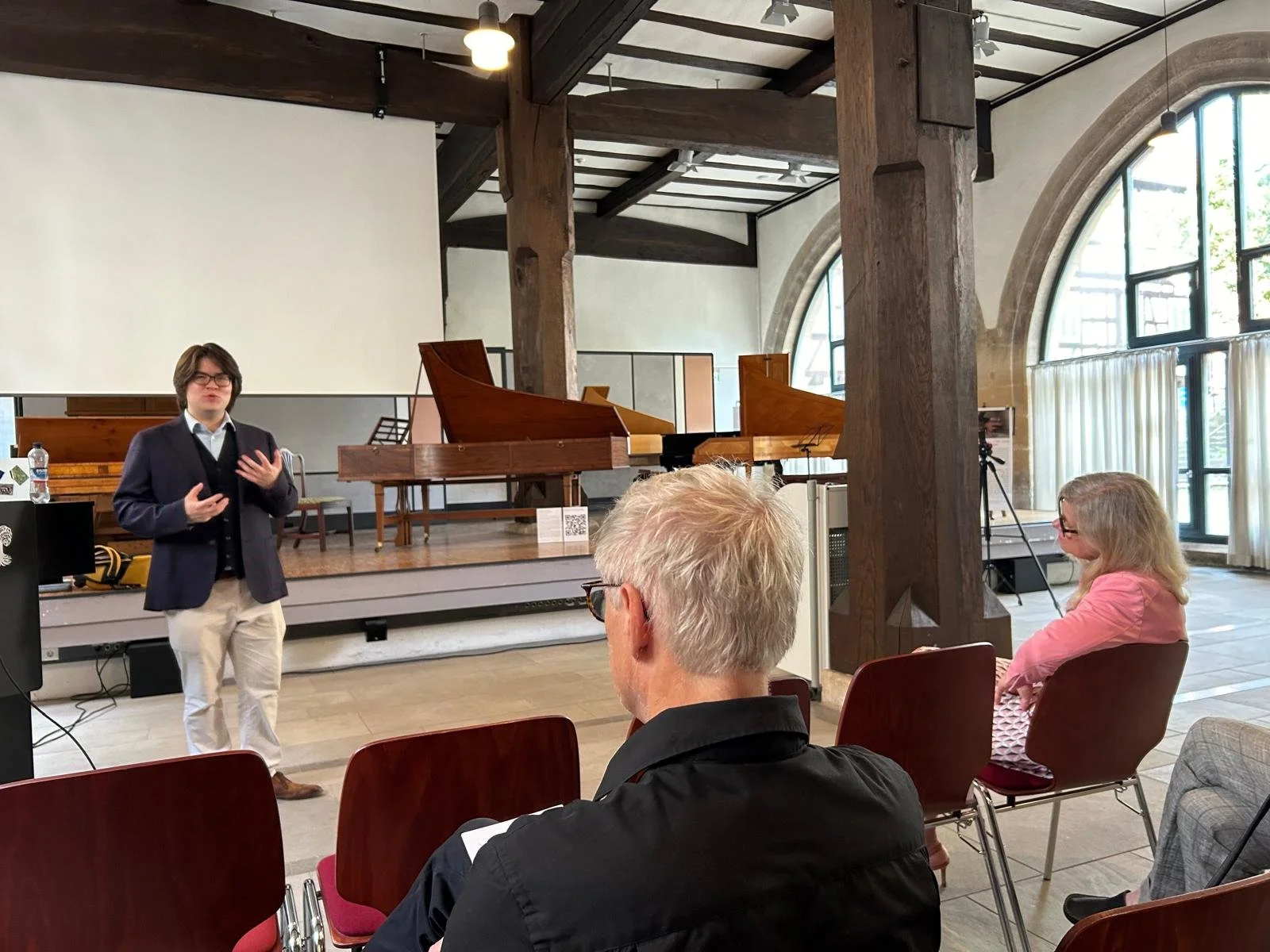
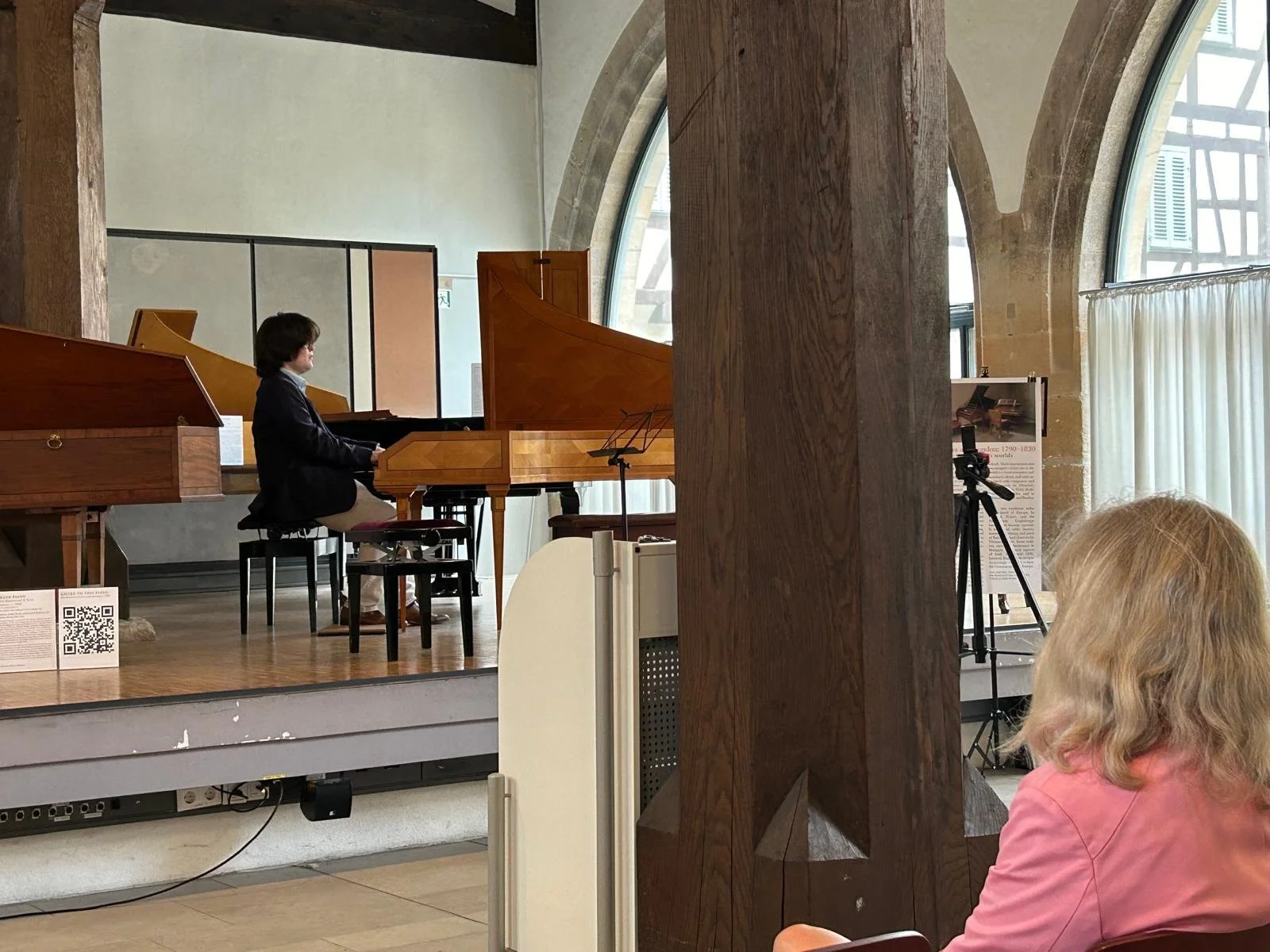
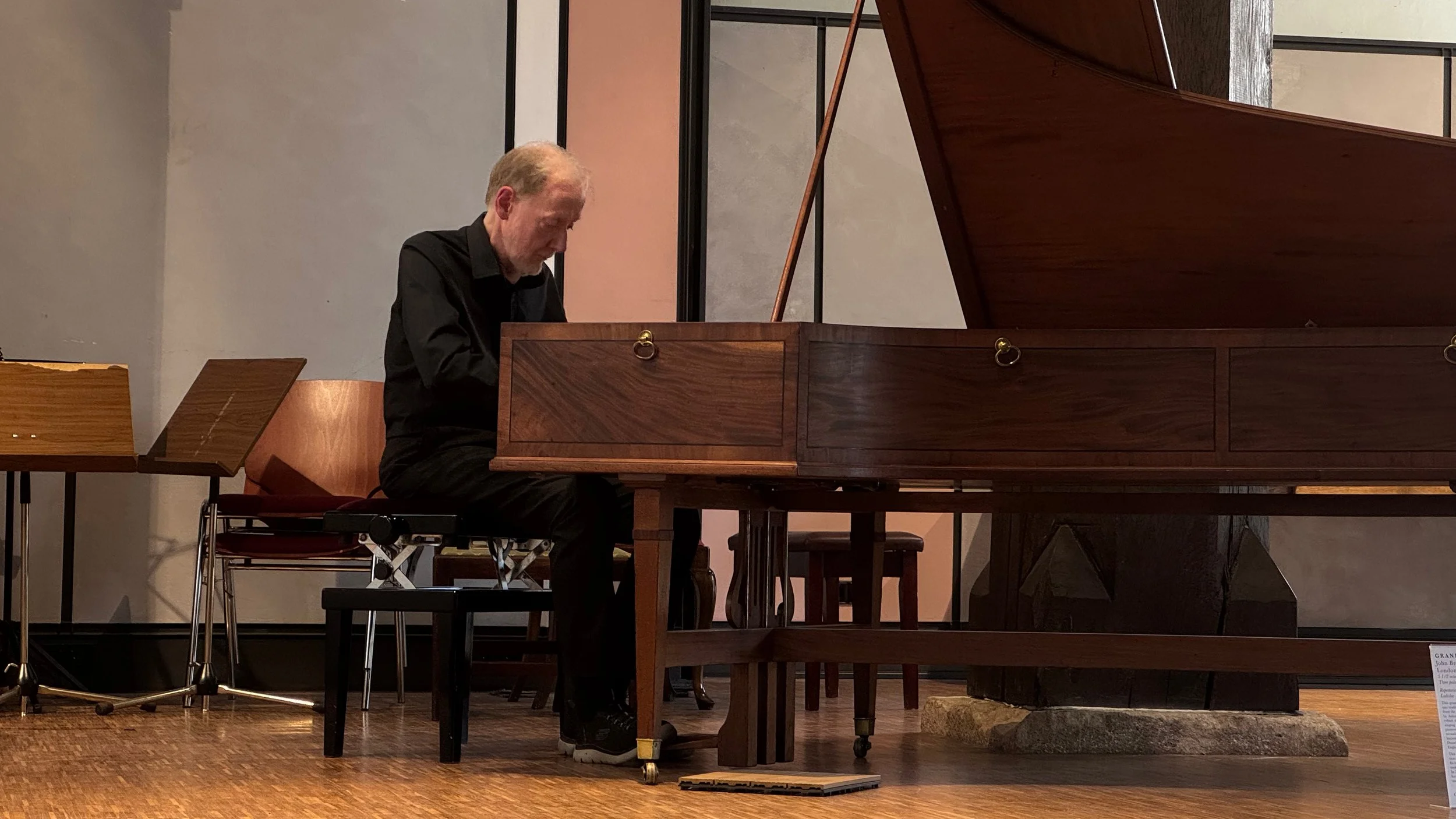
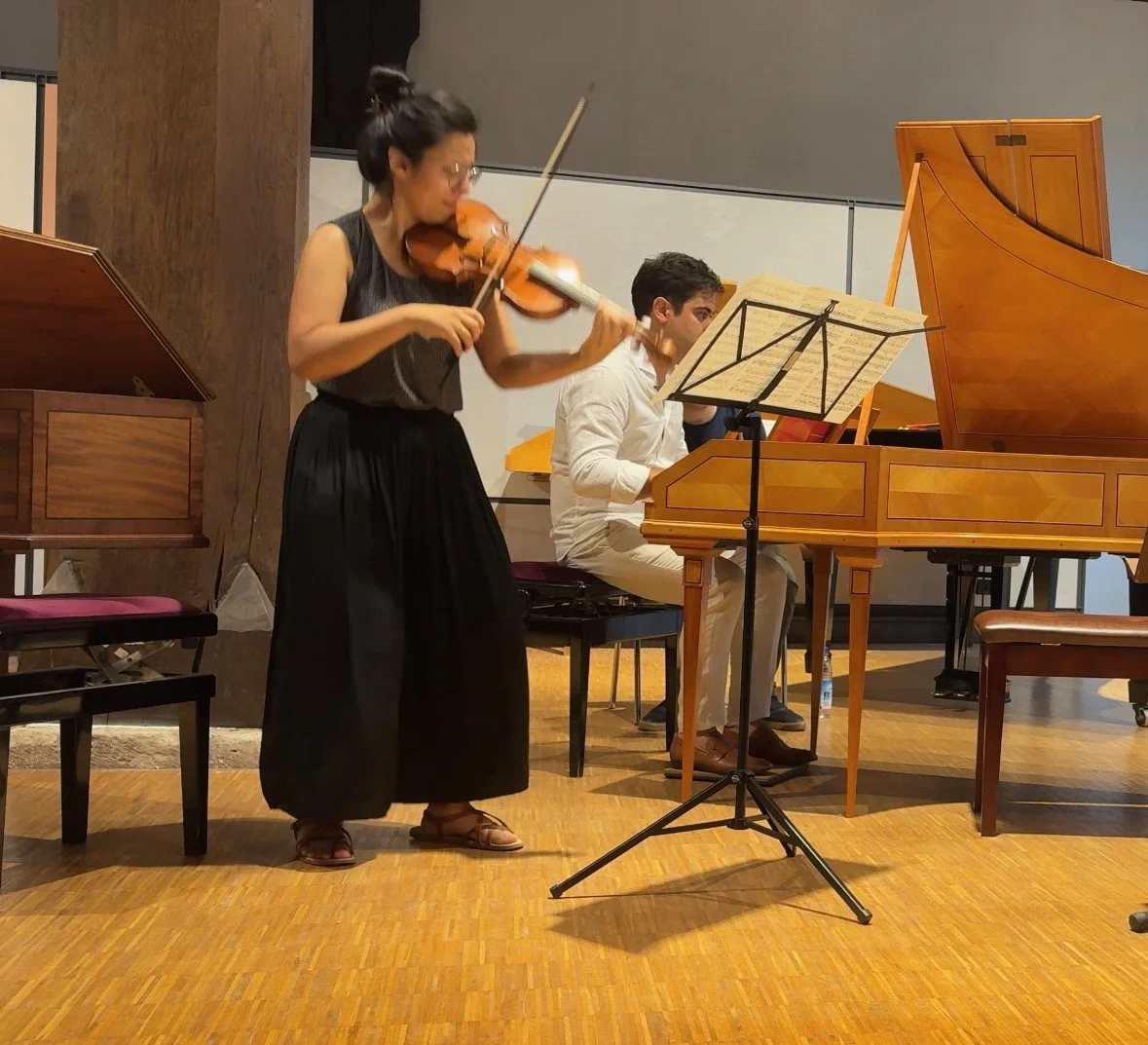
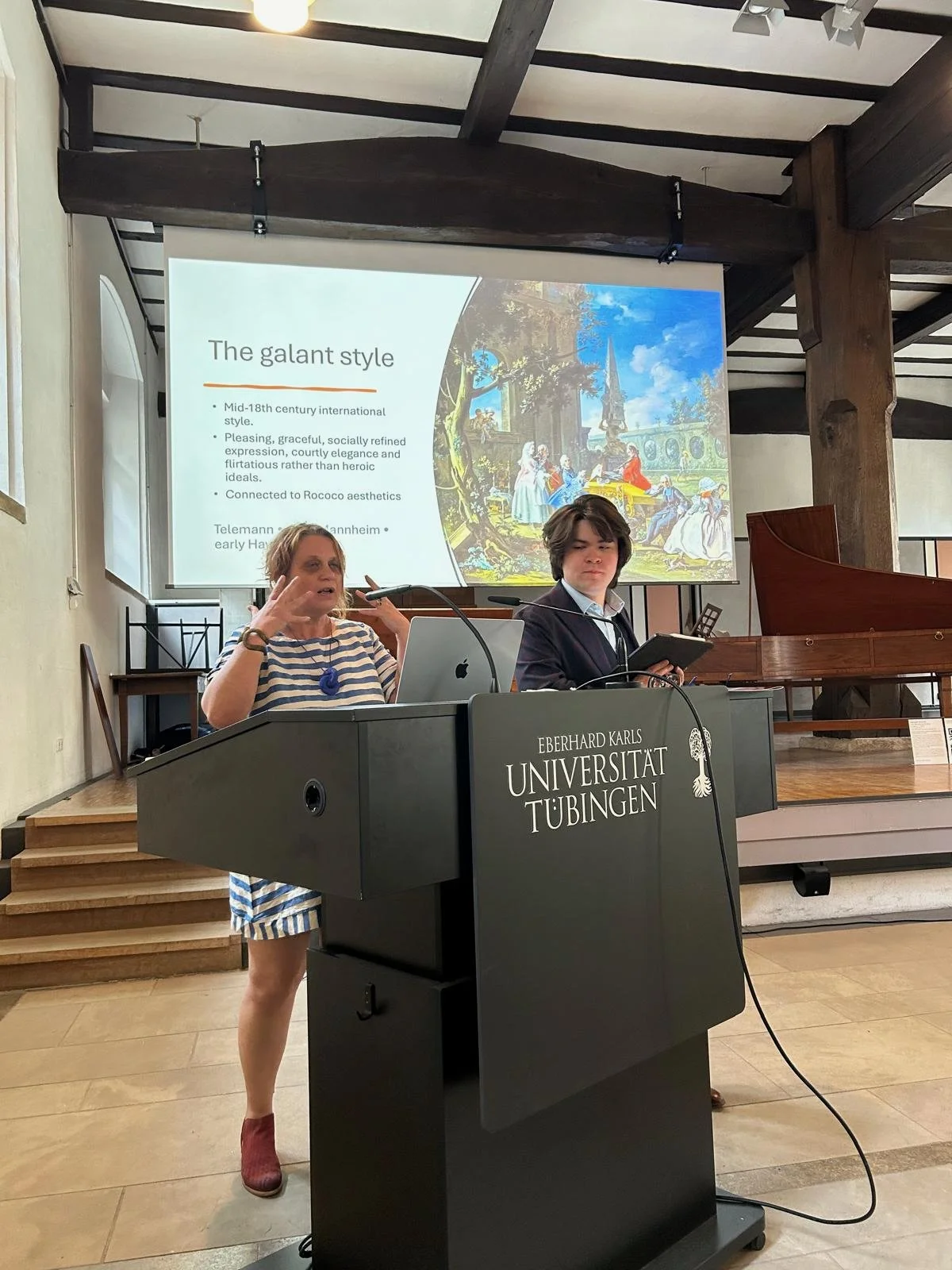
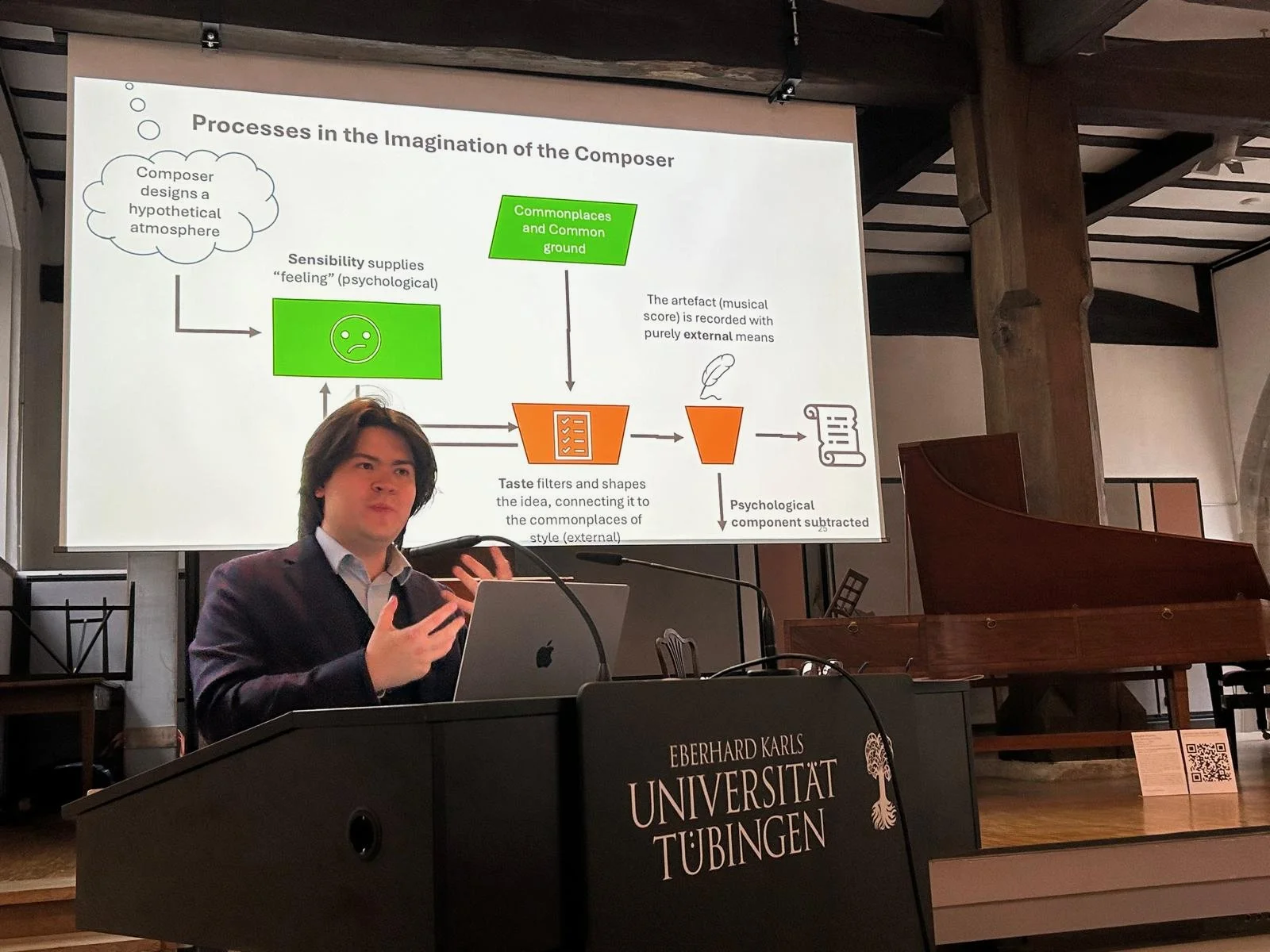
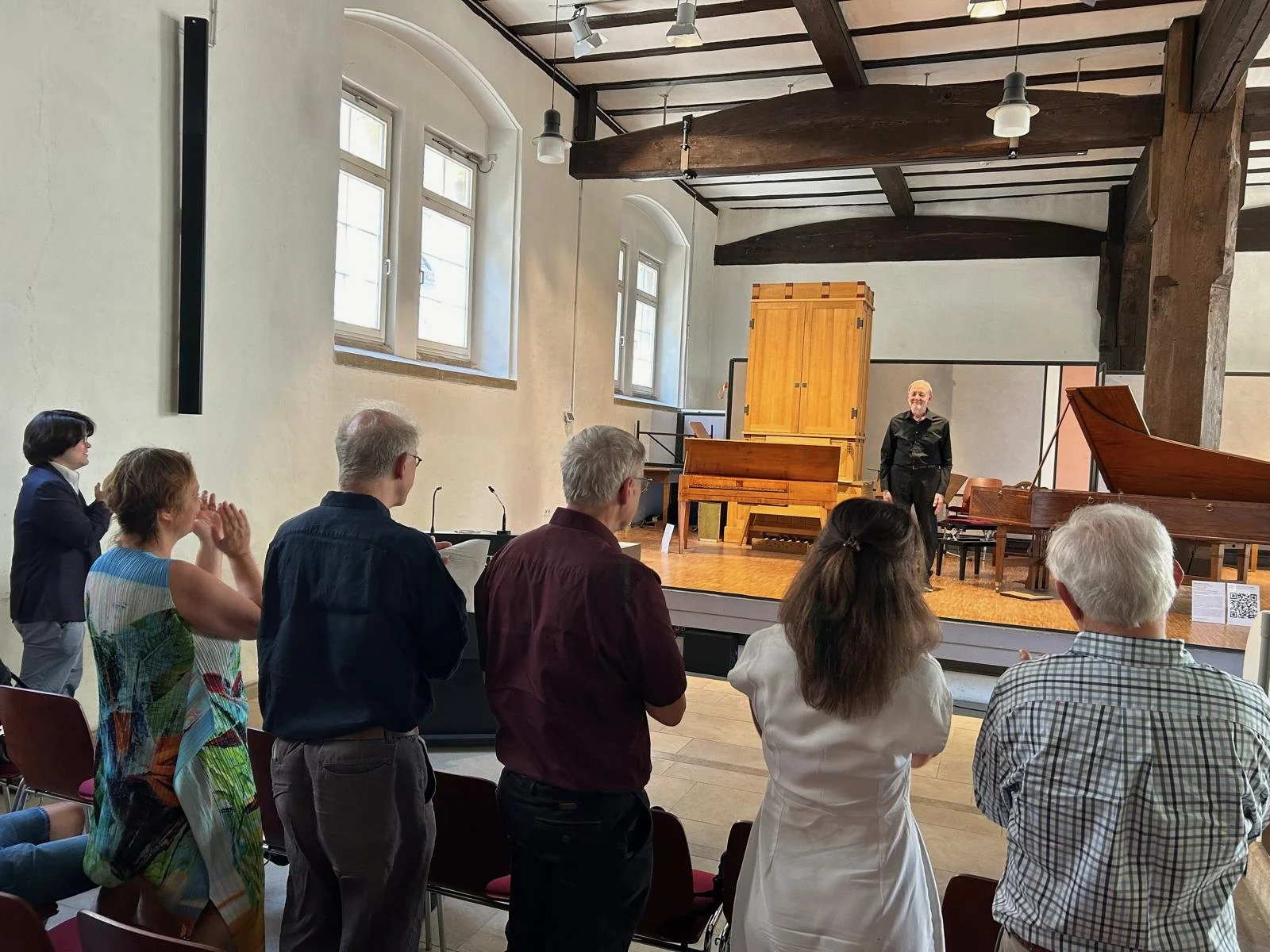
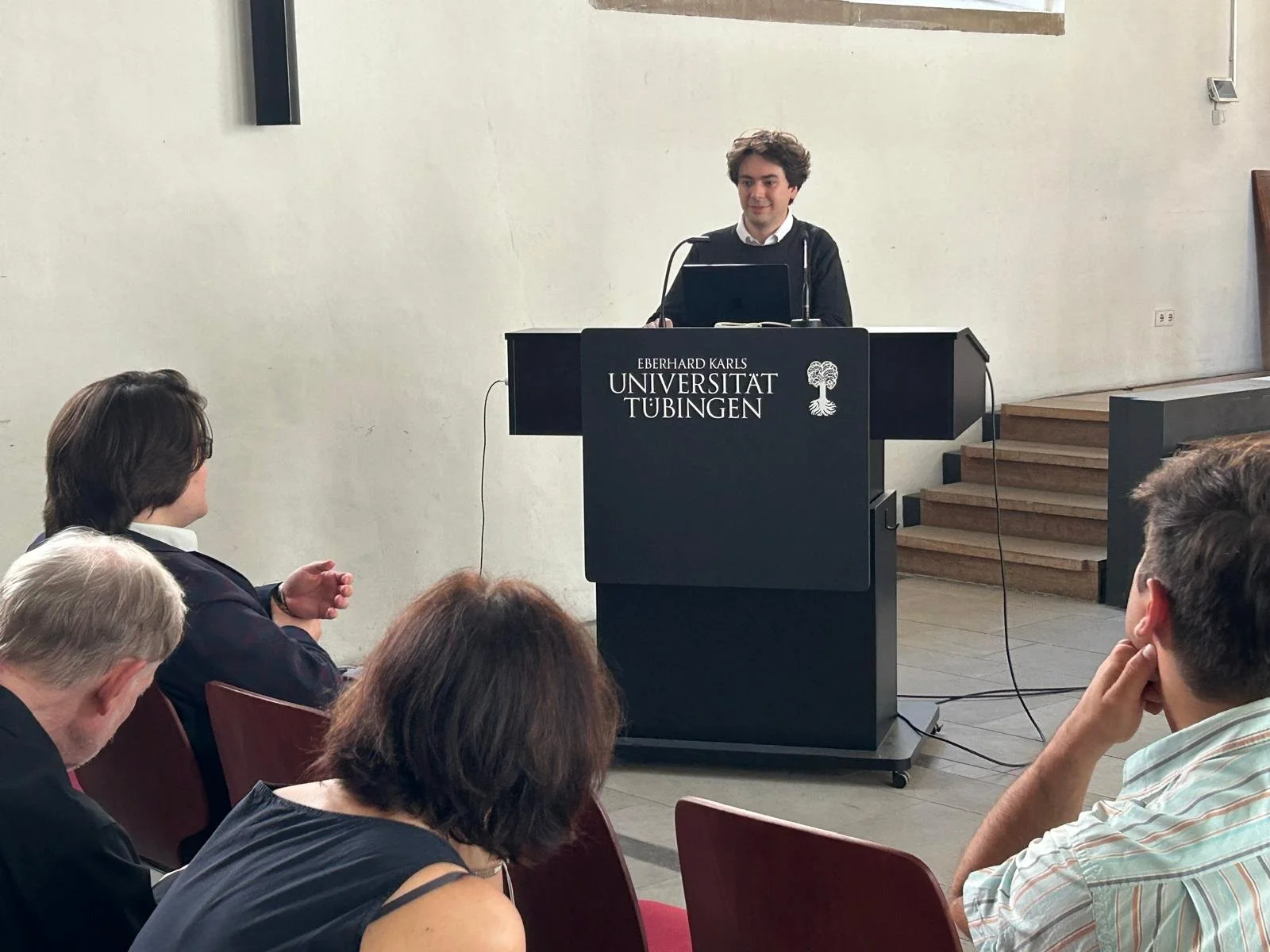
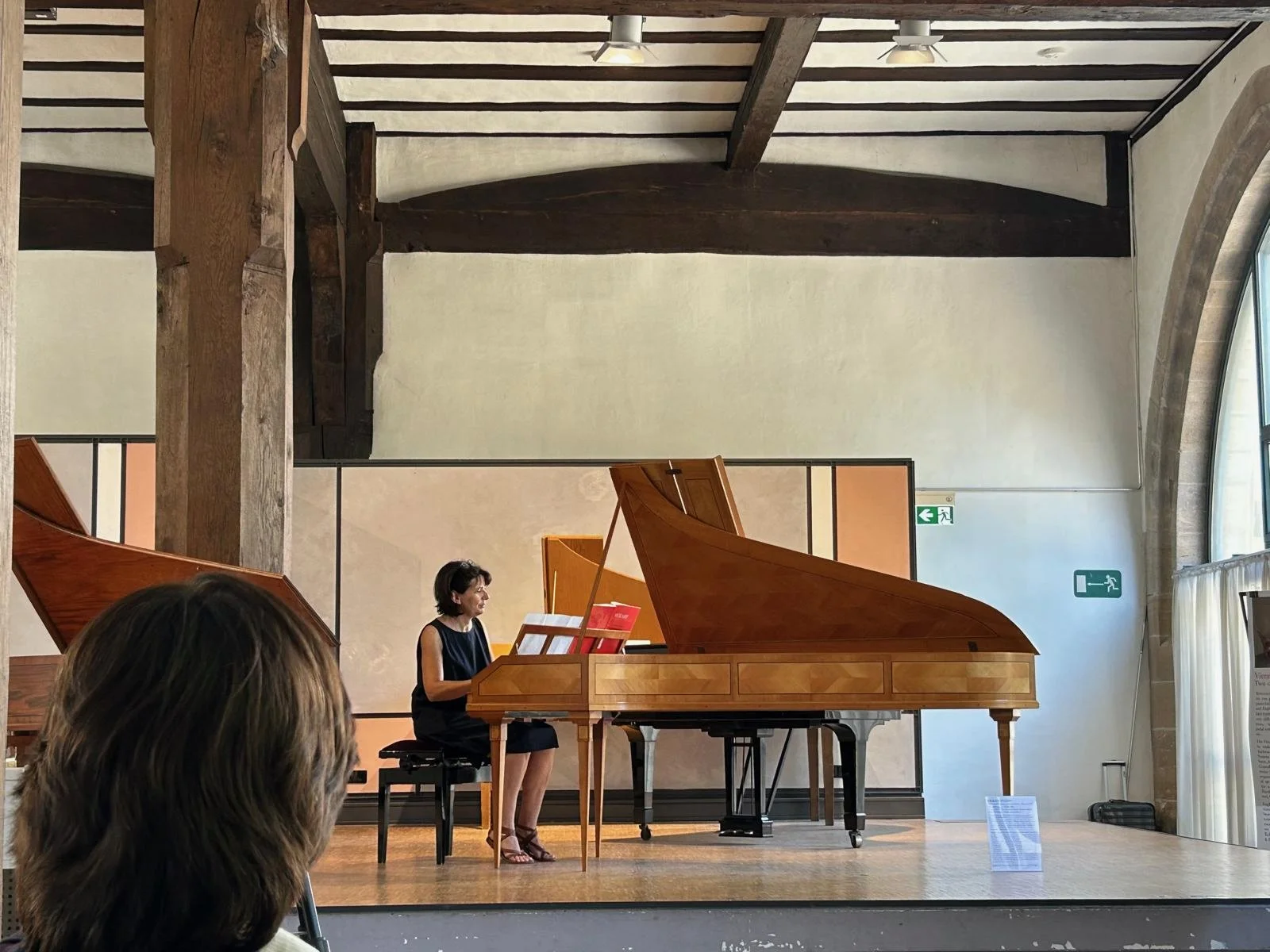
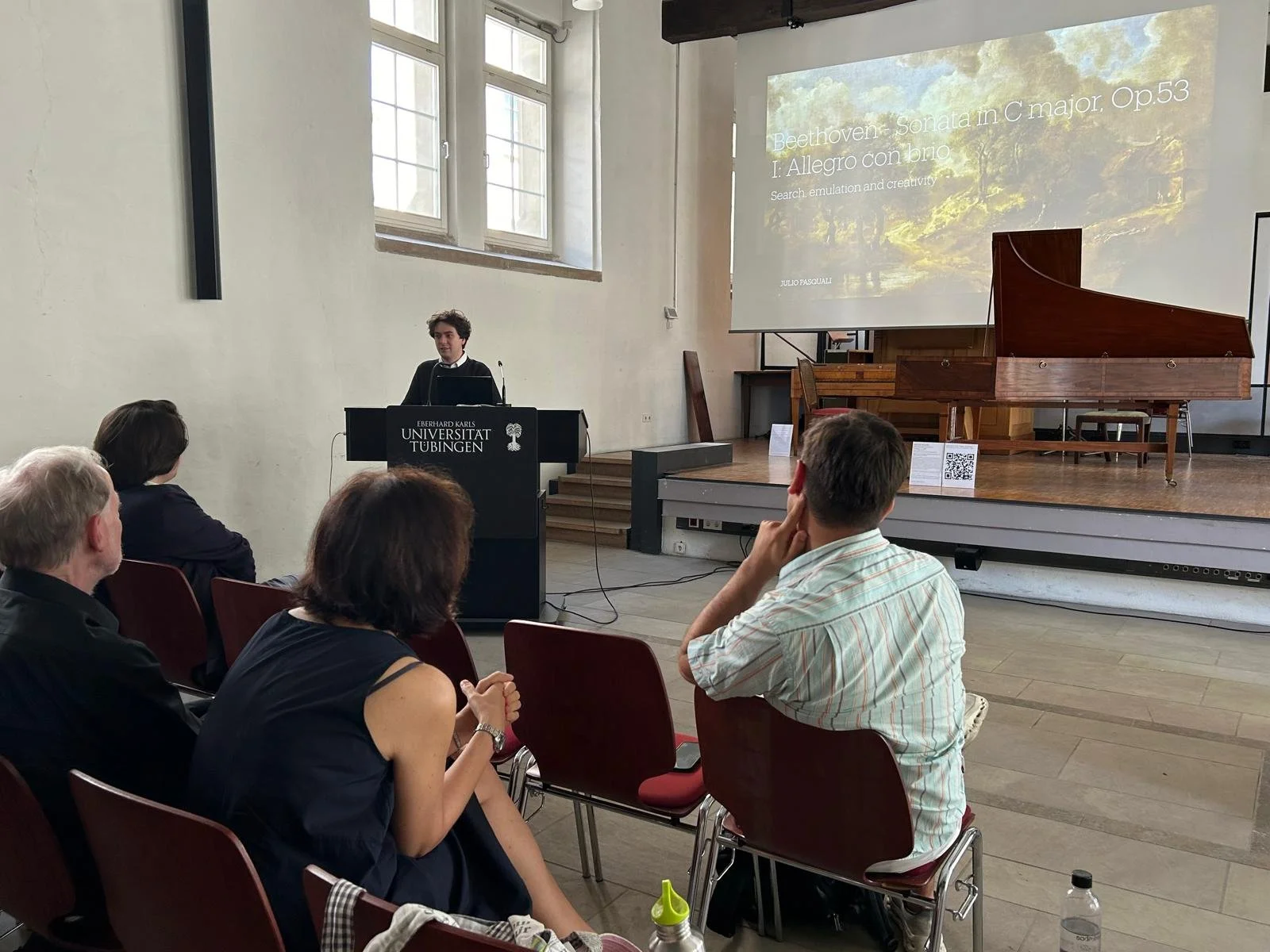
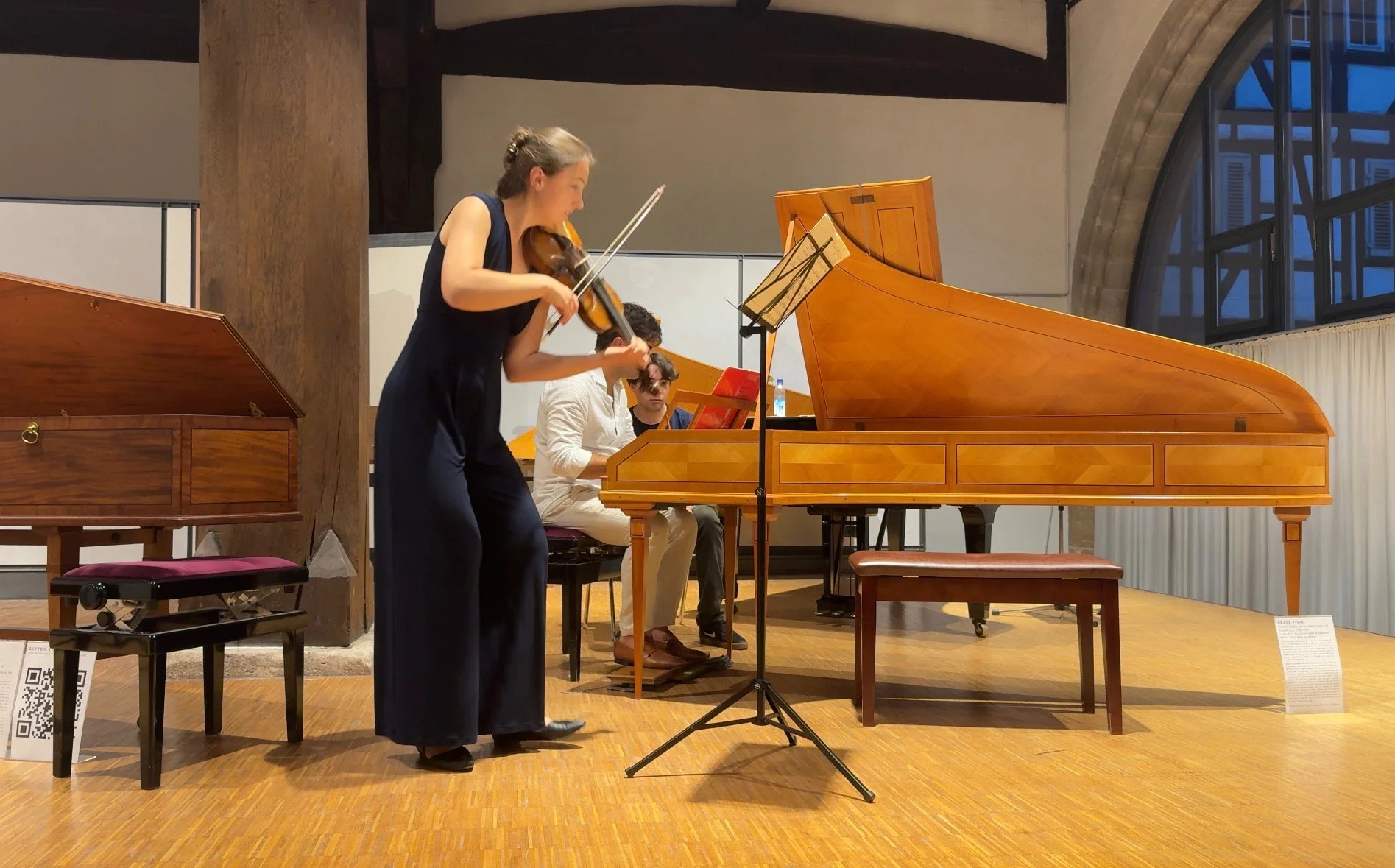
An International Symposium
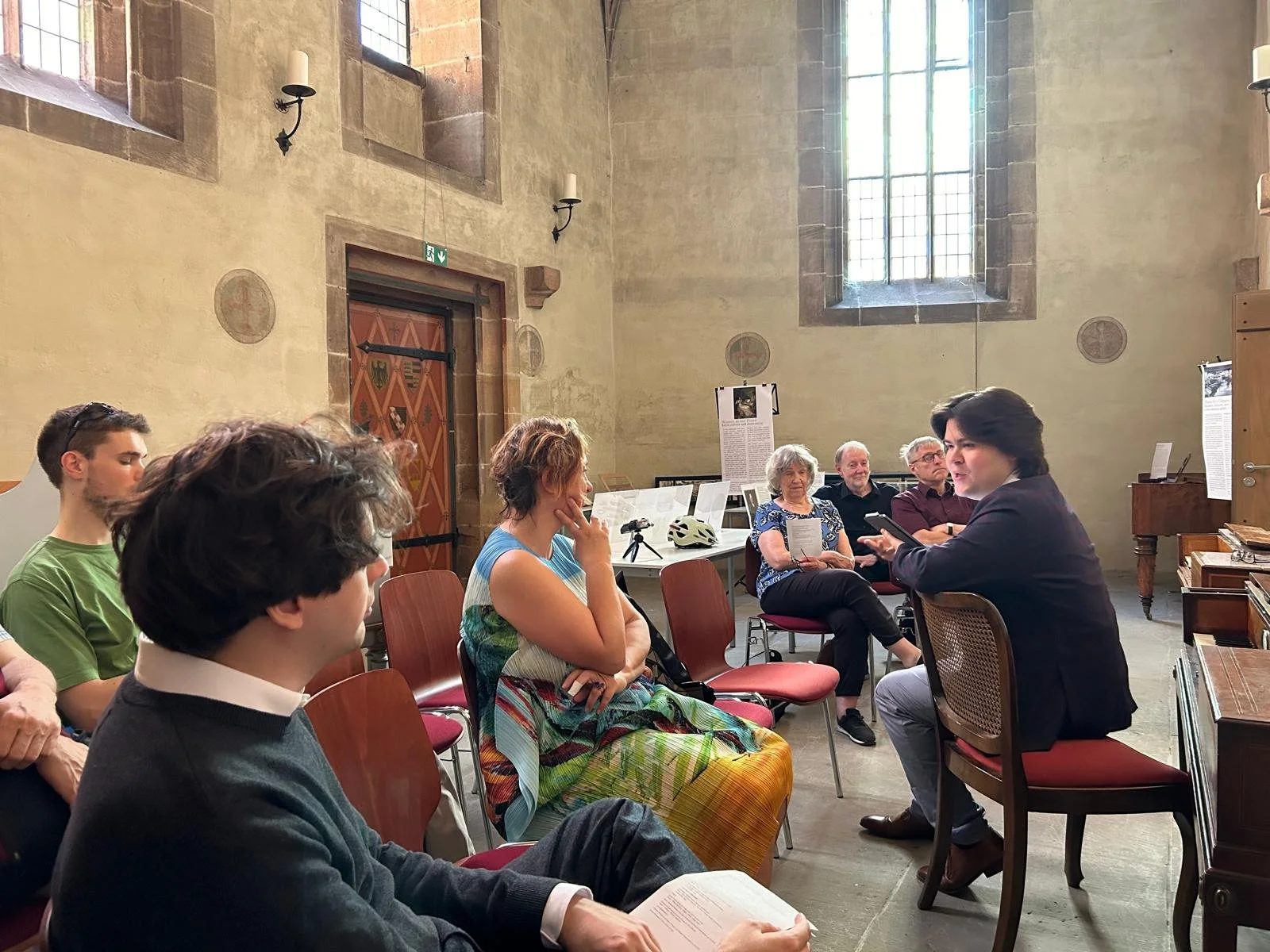
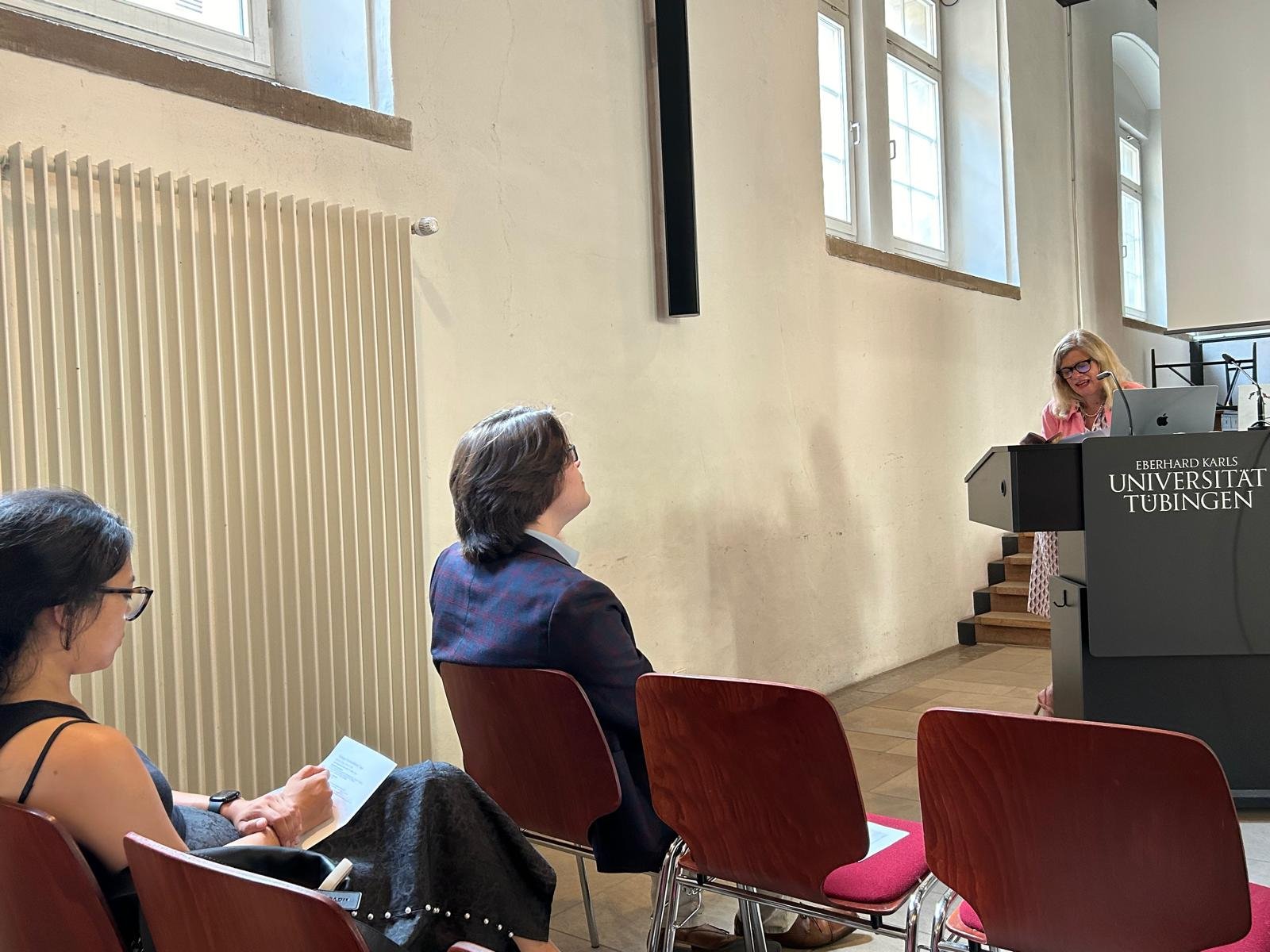
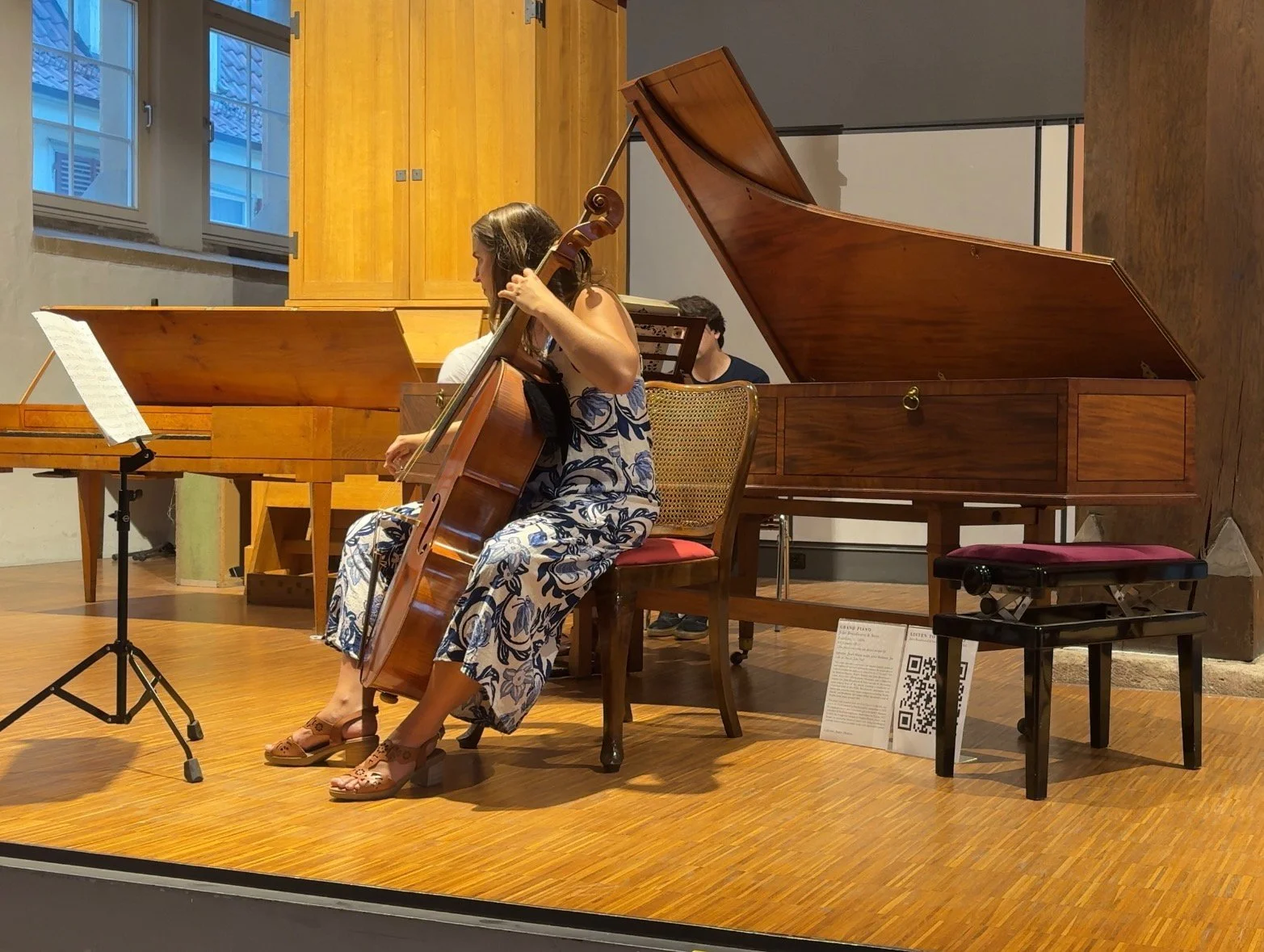
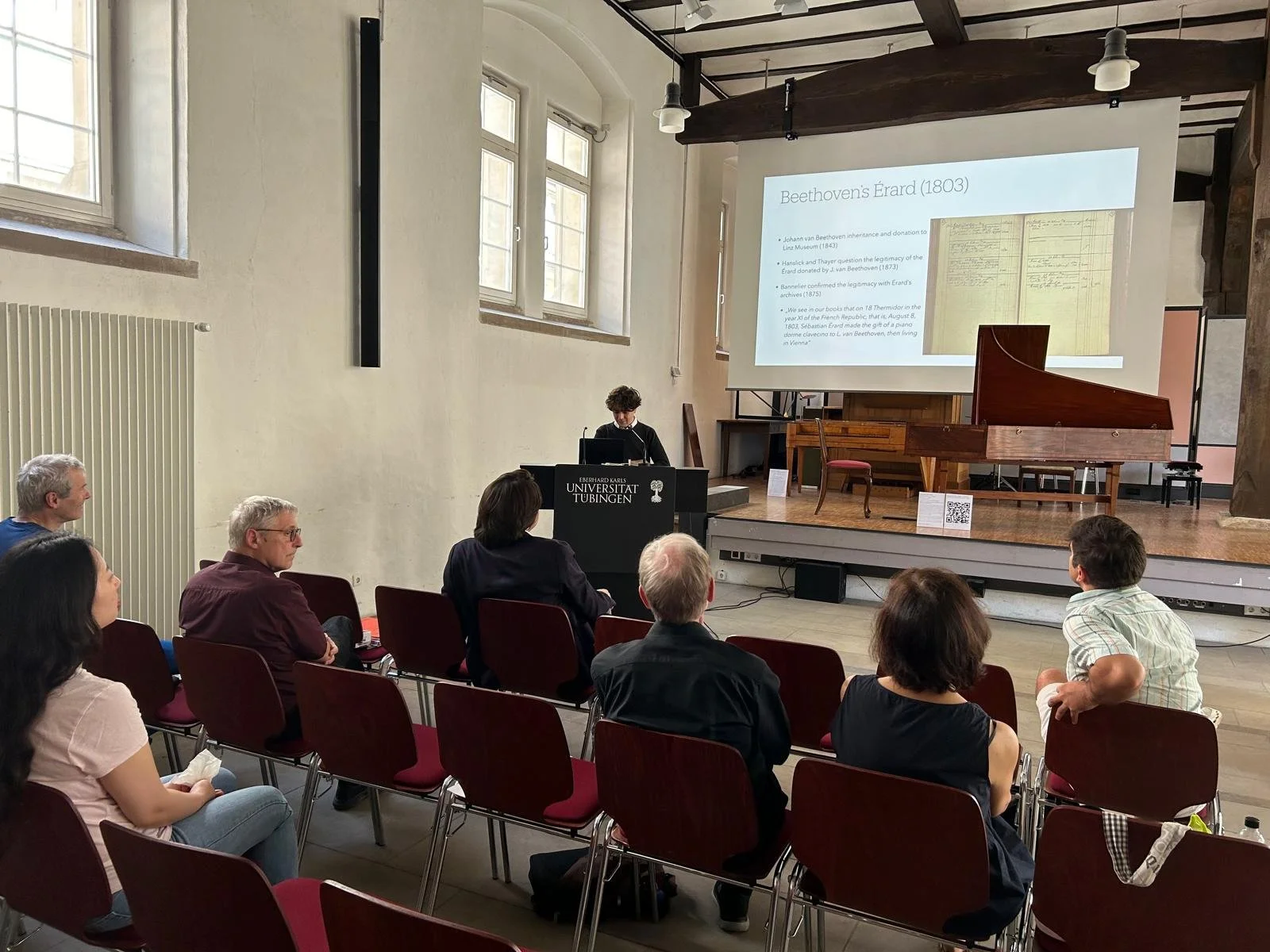
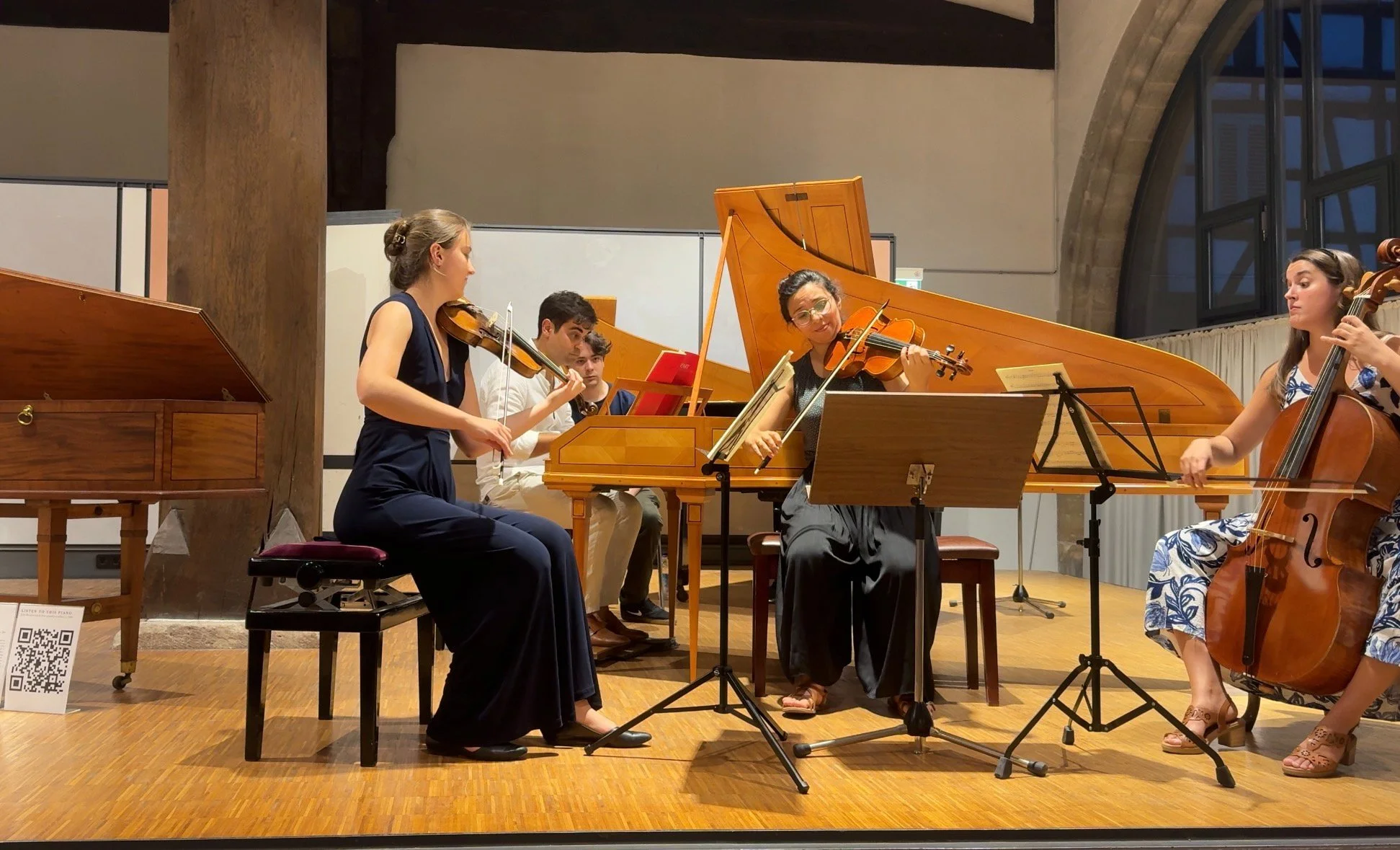
The symposium brought together an extraordinary group of participants for two days of lectures, lecture-recitals, performances, and discussions. It provided a rare opportunity to exchange ideas across national and disciplinary boundaries, to present different approaches to historically informed performance, and to reflect on the future directions of our field. I am especially grateful to our presenters Andrew Willis, Stefania Neonato, Hong Yu Wong, Krisztina Orbán, Julio Pasquali, Pedro Sperandio, Luise Kallmeyer, Angie Agudelo, and Violeta Mur, whose contributions made the symposium exceptionally rich and stimulating.
One of the great strengths of the historical performance community is its willingness to engage in open and constructive dialogue. It was inspiring to witness established specialists and emerging artists come together in a spirit of collegiality, sharing perspectives, questioning assumptions, and building new relationships. Many meaningful conversations and new collaborations began over the course of the weekend, and I am confident that these exchanges will continue to bear fruit in the years ahead.
Thanks and Acknowledgements
My warm thanks go to the Musicology Institute of the University of Tübingen for hosting and supporting this event. I am also deeply grateful to Prof. Dr. Stefan Morent and to Dr. Gundula Schäfer-Vogel, Mayor for Social Affairs, Order, and Culture of the University City of Tübingen, for their support and for helping to open the symposium.
I also wish to express my sincere gratitude to the Vereinigung der Freunde der Universität Tübingen (Universitätsbund) e. V. and the Friedrich Lurk-Stiftung for their generous financial support, without which this event would not have been possible.